.png?width=80&height=80&name=Clove%20Dental%20White%20Small%20(28).png "Clove Dental White Small (28)")
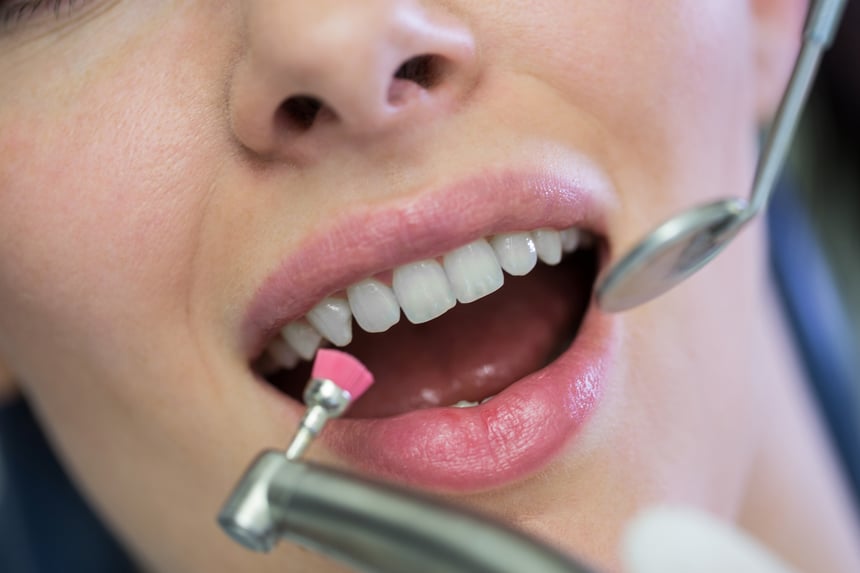
The 6 month dental cleaning schedule is for a number of people but it is not ideal for everyone. At present dentistry uses risk based scheduling where the frequency of cleaning depends on your gum's health and medical history.
Key Takeaways
- The traditional 6-month dental cleaning rule is a helpful guideline, but it may not be the right schedule for every patient.
- Some people benefit from more frequent cleanings, such as every 3–4 months, especially if they have gum disease or higher risk factors.
- Risk-based dental scheduling allows dentists to recommend cleaning visits based on your individual oral health needs.
- Dental insurance often covers two cleanings per year, but the ideal schedule should be based on what keeps your teeth and gums healthiest.
- Modern camarillo dental care focuses on personalized prevention rather than a one-size-fits-all cleaning timeline.
Since childhood we have been told that we must get our dental cleaning done every 6 months. But is it right?
Not all oral health routines fit everyone. Some people build plaque quickly whereas others rarely get cavities. Some struggle with gum inflammation while others have stable gums.
Modern Camarillo dental care is now shifting from firm schedules to smarter risk-based dental planning. Instead of asking, “Has it been six months?” the better thing to ask is, “What does your mouth need?”
In this blog, we will look at the six-month rule and whether it makes sense or not.
What is the 6-Month Cleaning Rule?
For years, people have visited the dentist every six months for cleaning and check-ups. This recommendation is known to be the standard in preventive dentistry.
The idea is to help remove plaque and tartar before causing cavity or gum disease.
Since the way dentistry works has evolved, we understand that oral health has risks which vary from person to person. That is why Camarillo dental care is transforming to a more personalized approach.
Why the 6-Month Model Doesn’t Fit Everyone
The 6 month schedule is helpful but it does not account for individual risk factors.
Some patients might need more frequent cleaning due to-
- History of gum disease
- Smoking/vaping
- Diabetes
- Cavities
- Dry mouth
People with appropriate home care and low risk may maintain healthy gums with less visits.
What Is Risk-Based Dental Scheduling?
Risk-based dental scheduling means your cleaning frequency is identified by your personal oral health risk, not by fixed timeline.
Rather than guessing everyone's need for the same schedule, we must evaluate the condition of gum, bleeding, plaque, cavity history and medical condition.
With current Camarillo dental care, preventive treatment is customized to protect your oral health.
How Dentists Determine Your Cleaning Frequency
When you visit for a dental exam, we assess various factors before recommending your next appointment.
- Gum Health- We measure gum pockets and check for bleeding or inflammation.
- Cavity Risk- We will review your history of decay, diet and oral hygiene habits.
- Medical History- If you have conditions like diabetes, then there is a risk of having gum disease.
3 Month vs 4 Month vs 6 Month Cleanings- The Difference
|
Cleaning Frequency |
Who It is For |
Why It is Recommended |
Common Term Used |
|---|---|---|---|
|
Every 3 Month |
People with periodontal disease, plaque or inflammation risk. |
To control bacteria before it causes gum damage or bone loss. |
Periodontal Treatment |
|
Every 4 Month |
People who are at the initial stage of gum issues or a history of buildup. |
It closely monitors while preventing progression of gum disease. |
Preventive Maintenance. |
|
Every 6 Month |
Low-risk patients with stable gums and minimal tartar buildup. |
Maintains oral health when home care is strong and risk factors are low. |
Routine Prophylaxis |
Does Insurance Dictate Your Cleaning Schedule?
Many dental insurance plans cover 2 cleanings per year. This influences the way you can schedule visits. However, insurance coverage does not have to be in sync with what your gum needs. If you need more frequent maintenance, you need additional visits that will be an out-of-pocket cost for you.
It is important for you to understand that insurance is just a financial tool and not a health guideline.
How to Know What Cleaning Schedule Is Right for You
The best way to find your ideal schedule is by a professional evaluation. You can ask yourself that-
- Do your gums bleed while brushing?
- Have you got gum disease treatment before?
- Do you get cavities frequently?
If your answer is to any of these above, then you might benefit from frequent visits. At Clove Dental we think that effective Camarillo dental care means creating a plan that will cater to your needs.

Final Thought
The 6 month dental cleaning rule is not wrong but it is not perfect for everyone. Currently, dentistry is shifting to personalized care. Risk based scheduling lets our team protect your gums and teeth based on your health profile.
If you are unsure whether your current pattern is right for you, we are here to plan smarter preventive care.
FAQs
Is 6 months of dental cleaning necessary?
Yes. A 6 month visit helps in preventing plaque buildup and identify problems at its early stage. However, if you have gum disease or at a higher risk then you might need cleaning every 3 to 4 months.
Where Did the 6-Month Cleaning Rule Come From?
The 6 month rule is a standard preventive guideline. It works well for most patients but modern dentistry adjusts the risk depending on individual risk.
What Happens If You Wait Too Long Between Cleanings?
If you wait, the plaque hardens and turns into tartar which can not be removed by brushing. This can lead to inflammation, bleeding and periodontal disease.
Why are dentists pushing deep cleanings?
Deep cleaning is advised when a patient has gum disease. The process removes bacteria below the gumline to prevent any damage and helps in healing.

.jpg?width=352&name=close-up-image-dentist-examining-female-s-teeth-dentistry%20(1).jpg)
