.png?width=80&height=80&name=Clove%20Dental%20White%20Small%20(28).png "Clove Dental White Small (28)")
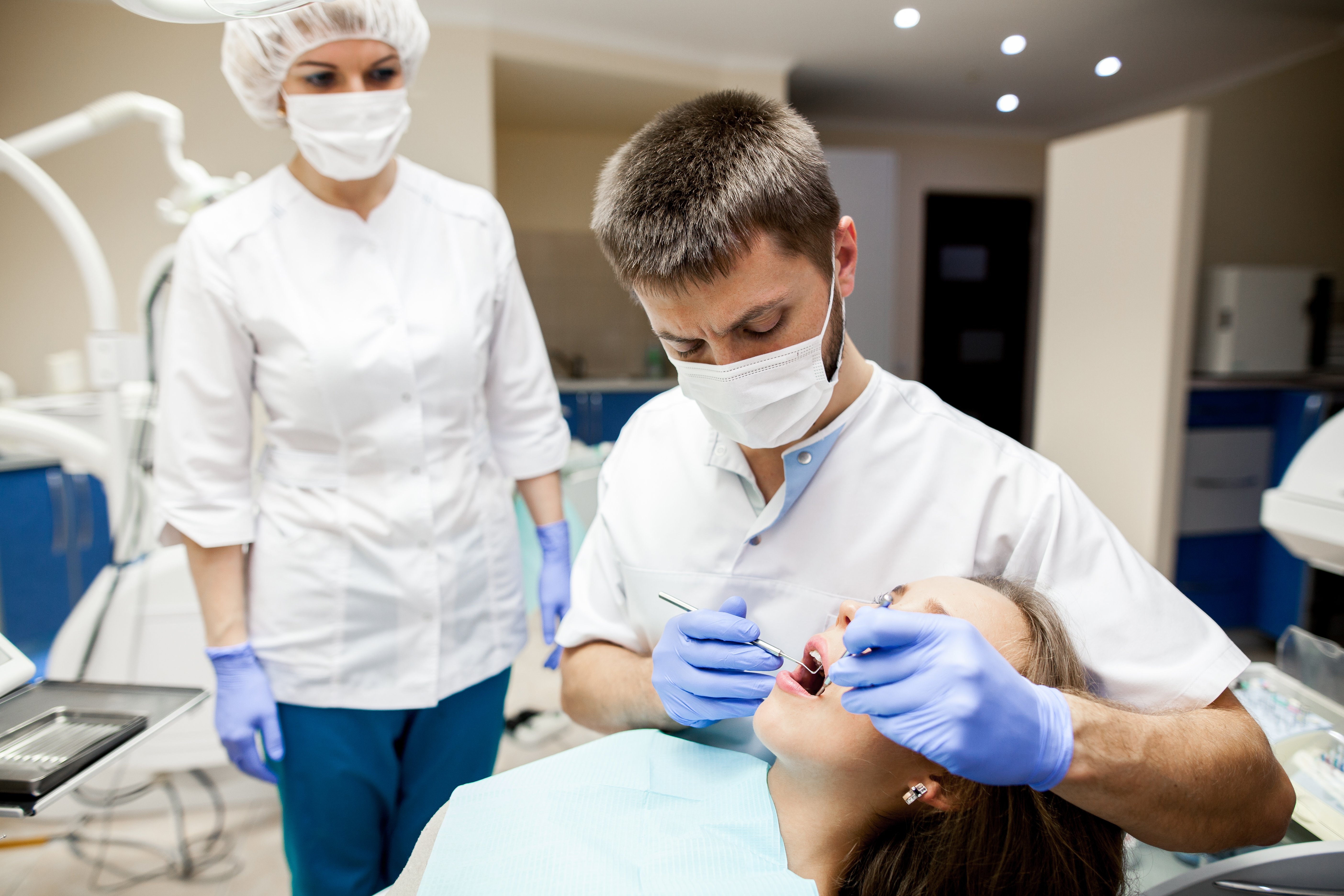 If teeth are damaged, decayed or missing, Restorative Dentistry will look to restore the function and beauty of the teeth through a variety of dental treatments such as fillings, crowns, inlays, onlays, bridges, and implants. A good dentist in Encino will consider not only the affected tooth but the entire bite, bone and gum tissue before suggesting any type of fix for the tooth.
Key Takeaways
- While the restorative dentist might solve the problem of the damaged tooth, he or she will not be able to fix the problems of other teeth, the bite or the chewing forces.
- A thorough pre-treatment evaluation includes X-rays, bite assessment, and soft tissue review hidden damage beneath the surface often changes the treatment plan.
- The goal of restorative dentistry is maximum preservation of natural tooth structure, not routine replacement.
- Delaying treatment on a damaged tooth consistently leads to more extensive and more expensive intervention and the window for simpler solutions closes with time.
Have you been putting off fixing a chipped tooth or dealing with a nagging sensitivity that comes and goes? Most people wait longer than they should and most find out later that what could have been a quick repair had quietly become something more involved.
Restorative dentistry isn't just about fixing what's broken. It's about understanding why it broke, what the tooth needs to function properly again, and how that restoration fits into the rest of your mouth. A good dentist in Encino doesn't treat teeth in isolation, they treat the system they belong to.
At Clove Dental, we approach every restoration with that perspective. Here's what it actually looks like in practice.

Why One Damaged Tooth Can Change the Way Your Entire Mouth Works
Teeth don't operate independently. Every tooth has a job, and when one stops doing it properly, others compensate.
A tooth with significant decay or a missing cusp changes how bite force is distributed across the arch. Neighboring teeth absorb more pressure than they're designed to handle. The opposing tooth, the one that bites against the damaged one may shift or over-erupt into the gap left by reduced contact.
This is why a dentist in Encino evaluating a single damaged tooth doesn't just look at that tooth. The adjacent teeth, the bite relationship, the bone level, and the gum tissue all factor into what restoration is appropriate and how it should be designed to function long-term.
Not Every Broken Tooth Needs the Same Solution: Here's Why
Patients often assume a broken tooth automatically means a crown, or that any cavity means a filling. The reality is more specific than that and the right choice depends on what's actually present.
- Fillings are appropriate when the cavity or damage is relatively contained and sufficient healthy tooth structure remains to support the restoration from the inside.
- Inlays and onlays occupy the clinical space between fillings and crowns. If the damage is severe enough to not be able to be fixed with a filling, but not so severe as to warrant capping the entire tooth with a crown; an inlay or an onlay can be used because it provides more structural support than a filling, and preserve more natural tooth structure.
- Crowns are necessary when so much tooth structure is lost through decay, fracture, or wear that a filling or onlay can't adequately protect what remains.
- Implants replace teeth that can't be saved providing a bone-supported restoration that functions independently without involving adjacent teeth.
The correct answer depends on clinical findings, not assumptions.
The Hidden Damage Dentists Look for Before Restoring a Tooth
What's visible on the surface of a tooth rarely tells the whole story. Before any restoration is placed, a thorough examination looks for what isn't immediately obvious.
Cracks that don't show on X-rays but propagate under pressure are one of the most clinically significant hidden findings. Decay under existing restorations is another common finding. Old fillings seal initially but degrade over time, allowing new decay to develop beneath them invisibly.
A dentist in Encino who skips this evaluation and restores based on surface appearance alone is building on an incomplete picture.
What a Dentist in Encino Evaluates Before Recommending Any Restoration
A complete restorative evaluation at Clove Dental covers:
- Diagnostic imaging Digital X-rays identify decay between teeth, under existing restorations, and at the root level.
- Bite assessment How teeth come together directly affects how long any restoration will last. A crown placed without accounting for heavy bite contact in the wrong location chips and fractures prematurely.
- Soft tissue review Gum health around the affected tooth determines whether restoration is appropriate immediately or whether periodontal treatment needs to come first.
- Tooth vitality Whether the nerve inside the tooth is healthy, compromised, or non-vital changes the treatment plan significantly.
Only after this picture is complete does a specific restoration get recommended.
What Makes a Restoration Feel Like a Natural Tooth Again?
The materials and design decisions behind a good restoration are what determine whether a patient eventually stops noticing it.
Shade matching for fillings and crowns alike accounts for the natural color variation across a single tooth, not just an overall shade. Translucency, surface texture, and light reflection all factor in. A restoration that looks flat or opaque reads as artificial even when the color is technically correct.
A restoration that feels like a natural tooth isn't an accident; it's the result of precise planning and careful attention at every step of fabrication and placement.
Conclusion
Restorative dentistry works best when it starts early, looks beyond the obvious, and treats each tooth as part of a larger functional system. Whether it's a small filling or a more complex case, the clinical standard is the same: preserve what's there, restore what's lost, and build something that lasts.
Schedule your restorative evaluation at Clove Dental with a dentist in Encino who looks at the full picture before recommending a single thing.
FAQs
How do I know if a tooth needs a filling or a crown?
The decision depends on how much healthy tooth structure remains and how much chewing force the tooth handles. Your dentist in Encino will assess both during your exam and recommend the option that provides adequate support without removing more structure than necessary.
Can a cracked tooth always be saved?
Not always. It depends on where the crack is and how far it extends. Cracks that stop above the gum line are treatable with a crown.
Why does my restored tooth still feel sensitive?
Some sensitivity after a new filling or crown is normal and resolves within a few days to a few weeks. Persistent or worsening sensitivity may indicate that the bite needs adjustment, the restoration margin needs attention, or the nerve was closer to the decay than anticipated.
What happens if I keep postponing treatment on a damaged tooth?
Decay and structural damage progress; they don't stabilize on their own. The longer treatment is delayed, the more tooth structure is typically lost and the more involved the eventual repair becomes.
.jpg?width=352&name=woman-patient-dentist(1).jpg)
.jpg?width=352&name=image(1277).jpg)