.png?width=80&height=80&name=Clove%20Dental%20White%20Small%20(28).png "Clove Dental White Small (28)")
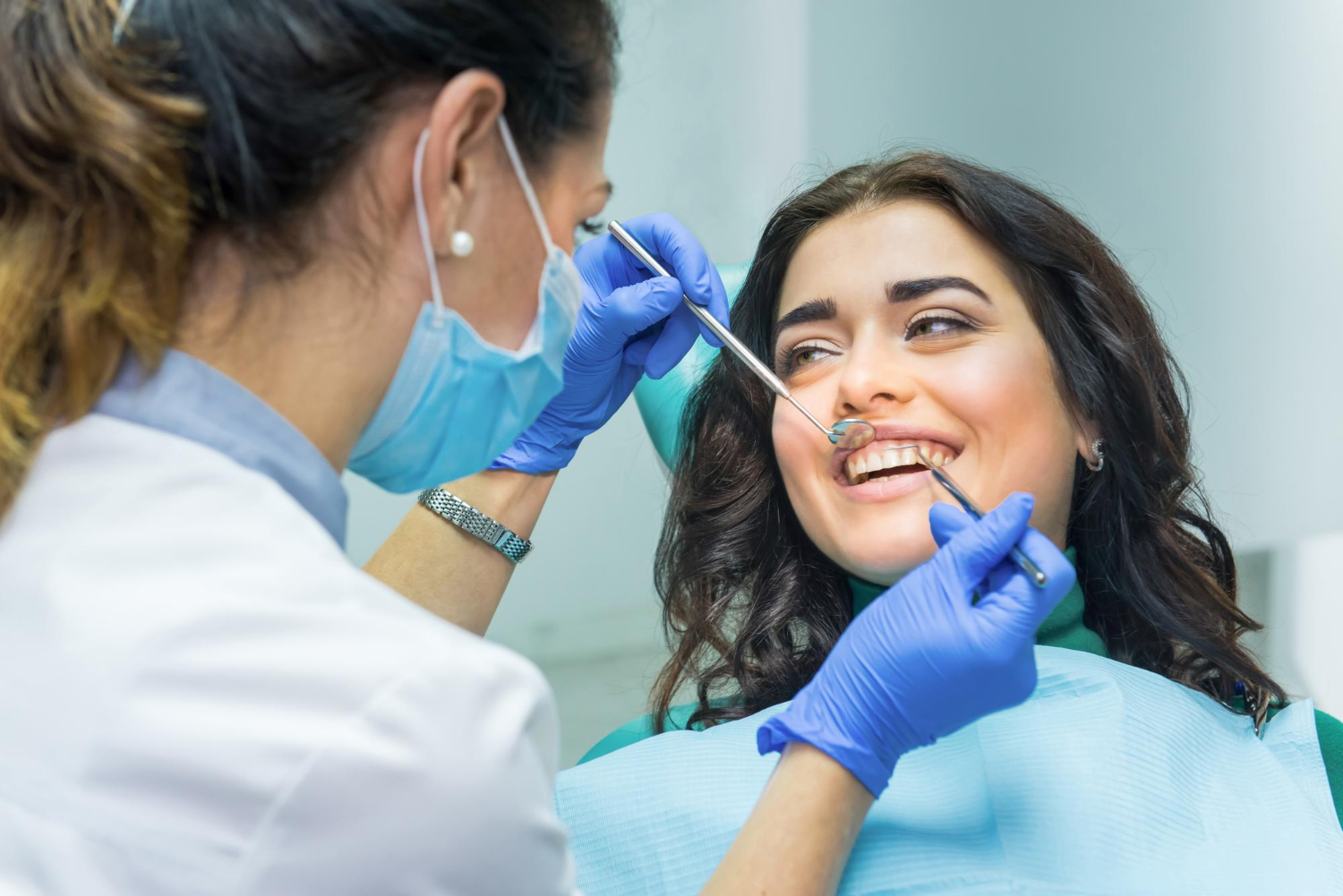
After a routine teeth cleaning with no fluoride treatment, you can eat right away. If a fluoride varnish or foam was applied during your cleaning, most dentists recommend waiting 30 minutes before eating or drinking to allow the fluoride to fully absorb into the enamel. After a deep cleaning, waiting one to two hours and choosing soft, non-irritating foods for the rest of the day is advisable.
Key Takeaways
- After a routine cleaning with no fluoride treatment, you can eat immediately without concern.
- If fluoride was applied, waiting 30 minutes before eating or drinking gives the treatment time to absorb properly.
- After a deep cleaning, softer foods and a brief wait period help protect the treated gum tissue during initial healing.
- Sensitivity after a cleaning is common and temporary cold, acidic or hard foods may aggravate it for a day or two.
You just finished your cleaning and your stomach is growling. The immediate question: can you eat right now or do you need to wait? It is more common than you might think to leave a dental appointment with no clear answer to this.
The honest answer is: it depends on what happened during your cleaning. A routine polish is very different from a fluoride treatment and both are different from a deep cleaning. At Clove Dental, we want our patients to walk out understanding exactly what to expect including what to eat and when. Here is what dentists actually recommend.
Can You Eat Right After a Routine Dental Cleaning?
If your appointment was a standard prophylaxis scaling to remove tartar and a polish to clean the tooth surfaces and no fluoride treatment was applied, you can eat as soon as you leave the office. There is no clinical reason to wait.
The cleaning itself does not leave any treatment on the tooth surface that needs time to absorb. The polishing paste is rinsed away during the appointment. Your teeth are simply clean, smooth and free of buildup which is a good state to eat from.
Why Your Dentist May Tell You to Wait Before Eating
The waiting instruction almost always comes down to one thing: fluoride.
If a fluoride varnish or foam was applied at the end of your cleaning, a common step for patients at higher cavity risk or for those specifically requesting it, waiting 30 minutes before eating or drinking is important. Fluoride needs contact time with the enamel surface to absorb and provide its remineralizing benefit. Eating or drinking immediately after application rinses it away before it has fully done its job.
If you are not sure whether fluoride was applied at your last teeth cleaning in Thousand Oaks appointment, ask your hygienist before leaving. It only takes a moment to clarify and affects your post-appointment instructions directly.

What Can You Eat After a Professional Teeth Cleaning?
For a routine cleaning with no fluoride, the short answer is anything you normally would. No restrictions apply.
If fluoride was applied and you have waited the recommended 30 minutes, the same applies eat normally.
After a deep cleaning, the guidance is more specific. The gum tissue has been worked on below the gumline, and some soreness and tenderness in the treated area is expected. For the remainder of the day, soft foods that do not require significant chewing or pressure are the most comfortable choice-
- Yogurt, eggs or soft cheese.
- Mashed potatoes or oatmeal.
- Soup (not too hot heat can aggravate sensitive tissue).
- Soft bread or bananas.
- Smoothies without seeds or acidic ingredients.
Avoid very crunchy foods, chips, hard raw vegetables and anything that requires heavy biting pressure against the recently treated gum tissue for at least a day.
What If Your Teeth Feel Sensitive When You Eat After Cleaning?
Sensitivity after a cleaning to cold, heat or sweet foods is common and almost always temporary. During cleaning, the hygienist removes tartar that had been coating portions of the tooth surface. The newly exposed enamel and, in some cases, root surface can be more reactive to temperature and stimulus for 24 to 48 hours.
For most patients this passes without intervention. If the sensitivity is noticeable, avoiding very cold, very hot or acidic foods and drinks for the day is a practical way to manage it. Using a sensitivity toothpaste in the days following your teeth cleaning in Thousand Oaks can also help calm the response.
Does Eating Too Soon Undo the Results of a Dental Cleaning?
Eating immediately after a routine cleaning does not undo the cleaning itself, the tartar and plaque that were removed do not come back because you ate a meal.
What eating soon after can affect the fluoride treatment, as discussed and the results of the surface polish which is cosmetic in nature. Heavily pigmented foods and drinks consumed immediately after cleaning can restain the freshly polished surfaces more readily because the surface is clean and open.
Waiting a few hours before returning to those foods is a reasonable approach if maintaining the brightness of the polish matters to you. It is not a strict clinical rule it is practical advice for getting the most out of the appointment.
Conclusion
The answer to "can I eat right away?" is almost always yes with one exception for fluoride treatment and additional care after a deep cleaning. Neither situation is complicated once you know what applied to your specific appointment.
At Clove Dental, every teeth cleaning in Thousand Oaks ends with clear post-visit guidance so our patients always know what to expect. Book your next appointment today at clovedds.com and leave with everything you need including the answer to when you can stop for lunch on the way home.
FAQs
How long after a fluoride treatment can I eat?
Most dentists recommend waiting 30 minutes before eating or drinking after a fluoride varnish or foam application. This allows the fluoride to fully absorb into the enamel surface before being rinsed away by food or liquid.
Can I drink coffee after a teeth cleaning?
Technically yes but waiting a few hours before drinking coffee or other staining beverages after your cleaning helps preserve the polished surface. Coffee is a common restaining agent and consuming it immediately after cleaning is the quickest way to undo the visual brightening effect of the polish.
What foods should I avoid after a deep cleaning?
Avoid hard, crunchy or sharp-edged foods on the day of a deep cleaning: chips, raw vegetables, crusty bread and similar items can irritate the treated gum tissue. Spicy or very acidic foods should also be avoided for a day. Soft, mild foods are the most comfortable choice for the first 24 hours.
Is it normal for gums to bleed slightly after eating following a cleaning?
Minor bleeding in the 24 hours following a cleaning or deep cleaning is not unusual, particularly if the gums were inflamed before the appointment. If bleeding is significant, prolonged or accompanied by worsening pain, contact your dental provider.
.jpg?width=352&name=image(869).jpg)