.png?width=80&height=80&name=Clove%20Dental%20White%20Small%20(28).png "Clove Dental White Small (28)")

When your body is in a state of chronic stress, your cortisol levels will go up, and this will impair your immune system and make your gums more susceptible to infection and inflammation. Bleeding while brushing, swollen gum tissue and fast accumulation of plaque. A stress-driven buildup can be counteracted with the help of a professional teeth cleaning in Oxnard before it causes any permanent damage.
Key Takeaways
- Chronic stress raises cortisol, a hormone that directly weakens your immune system and leaves gum tissue less protected.
- Three gum problems become more common under stress: gingivitis, bruxism-related gum recession, and dry mouth-linked plaque buildup.
- Your dentist can spot stress-related oral changes before you notice them yourself.
- A routine teeth cleaning in Oxnard does more than polish, it removes the bacterial buildup that stress makes harder for your body to fight.
- Most stress-related gum issues are reversible when caught early and managed with consistent dental care and stress reduction.
Is stress making your gums bleed? It might sound like a stretch, but the connection is more direct than most people expect. Your body handles chronic stress by flooding your system with cortisol, a hormone designed for short bursts of pressure, not weeks of workplace deadlines and sleepless nights. Over time, that hormonal overload quietly chips away at your oral health in ways a regular mirror check won’t reveal.
At Clove Dental, we see the physical evidence of stress regularly, showing up first in a patient’s gum tissue. This blog walks you through what’s actually happening beneath the surface and why scheduling a teeth cleaning in Oxnard could be the most practical first step toward getting it under control.
“I Haven’t Changed My Routine, So Why Are My Gums Bleeding More?”
This is one of the most common questions we hear. You’re brushing twice a day, flossing when you remember, and nothing in your diet has changed. Yet your gums are redder, puffier, and bleed at the slightest touch.
The answer isn’t your toothbrush technique. It’s your nervous system. When you’re under prolonged stress, cortisol suppresses the immune cells responsible for fighting bacteria in your mouth. The same bacteria that your body would normally keep in check begin to multiply unchecked, and your gum tissue pays the price.
Stress also tends to disrupt sleep, which is when much of the body’s tissue repair happens. Less sleep means slower healing, and slower healing means gum inflammation lingers longer than it should.
Why Stress Doesn’t Damage Gums Directly But Still Makes Problems Worse
Stress isn’t scraping your gums. What it’s doing is lowering your body’s defenses so that existing threats become much harder to manage.
Cortisol triggers a systemic inflammatory response. In the short term, this is protective. Chronically elevated, it becomes counterproductive promoting inflammation in tissues like your gums while simultaneously reducing your immune system’s ability to respond. It’s a bit like pressing the gas and the brakes at the same time.
The Three Gum Problems Dentists See More During High-Stress Periods
Stress-Aggravated Gingivitis
Early-stage gum disease or gingivitis, is very common on its own. But stress accelerates how quickly it develops and how severely it presents. Patients who previously had healthy gums come in after a difficult few months with visible redness and bleeding that wasn’t there before.
Bruxism and Gum Recession
Teeth grinding (bruxism) is closely tied to stress. Most people grind at night without knowing it. The repeated pressure from grinding pulls on gum tissue over time, gradually pushing it down from the tooth surface. Once gum recession begins, it’s harder to reverse.
Dry Mouth and Plaque Buildup
Stress activates your sympathetic nervous system, which reduces saliva flow. Saliva is your mouth’s natural defence against bacteria, it rinses, neutralises acids, and slows plaque formation. Less saliva means plaque accumulates faster. This is exactly the kind of buildup that a thorough teeth cleaning in Oxnard is designed to remove before it hardens into tartar and irritates the gum line.
What Your Dental Cleaning Can Reveal About Chronic Stress
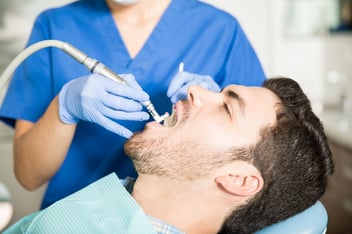
A routine teeth cleaning in Oxnard is where the story starts to come together. During your cleaning, we’re not just removing plaque and polishing enamel. We’re looking at the health of your gum tissue, checking pocket depths, spotting early recession, and noting inflammation patterns.
Certain patterns of uneven gum recession, wear on the biting surfaces of back teeth, or persistent inflammation despite good home care are associated with chronic stress. When we notice these signs, we’re able to flag them early and work with you on a plan before they progress.
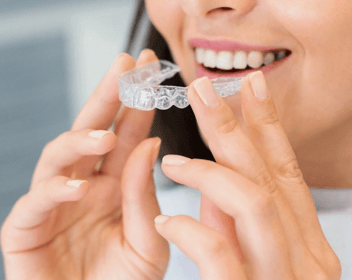
We may also recommend a custom night guard for bruxism, a more frequent cleaning schedule, or fluoride treatments to compensate for reduced saliva protection. The key is that none of this happens without that visit.
Can Stress-Related Gum Problems Be Reversed?
In most cases, yes especially when caught at the gingivitis stage. With consistent professional cleanings and improved home care, early gum inflammation can be fully resolved. The gum tissue heals, bleeding stops, and pocket depths return to normal.
Recession caused by bruxism is trickier. The tissue that has already pulled back doesn’t regenerate on its own. But we can slow or stop further recession with a properly fitted night guard and targeted cleanings that keep the area free of irritants.
The honest answer is: the sooner you come in, the more options you have. Stress is unavoidable but letting it silently damage your gums for months at a time is. A teeth cleaning in Oxnard every six months gives us the window to catch problems while they’re still manageable.

Conclusion
Your gums don’t operate in isolation from the rest of your life. When stress builds, cortisol rises, and your body’s ability to protect your gum tissue quietly diminishes. The result shows up as bleeding, inflammation, recession, and accelerated buildup that your toothbrush alone can’t fix.
At Clove Dental, we’re here to help you stay ahead of it. A professional teeth cleaning in Oxnard is a practical, low-barrier step that protects your oral health even when everything else feels overwhelming.
FAQs
Can stress really cause gum disease?
Stress doesn’t directly cause gum disease but it significantly increases your risk by suppressing immunity, reducing saliva, and encouraging habits like teeth grinding that all accelerate gum problems.
What’s the link between cortisol and gum inflammation?
Cortisol promotes a state of systemic inflammation while simultaneously lowering the immune response that keeps gum bacteria in check. Together, these effects create the ideal conditions for gingivitis to develop or worsen.
Will my gums get better if I just reduce stress?
Stress reduction helps, but it won’t clear existing plaque or tartar. You’ll still need a professional cleaning to remove the buildup that’s already there before your gum tissue can fully recover.
I grind my teeth at night. Is that related to my gum problems?
Quite possibly. Bruxism puts mechanical pressure on gum tissue and can accelerate recession over time. A night guard from your dentist can help protect both your teeth and gums from the damage grinding causes.
.jpg?width=352&name=image(655).jpg)