.png?width=80&height=80&name=Clove%20Dental%20White%20Small%20(28).png "Clove Dental White Small (28)")
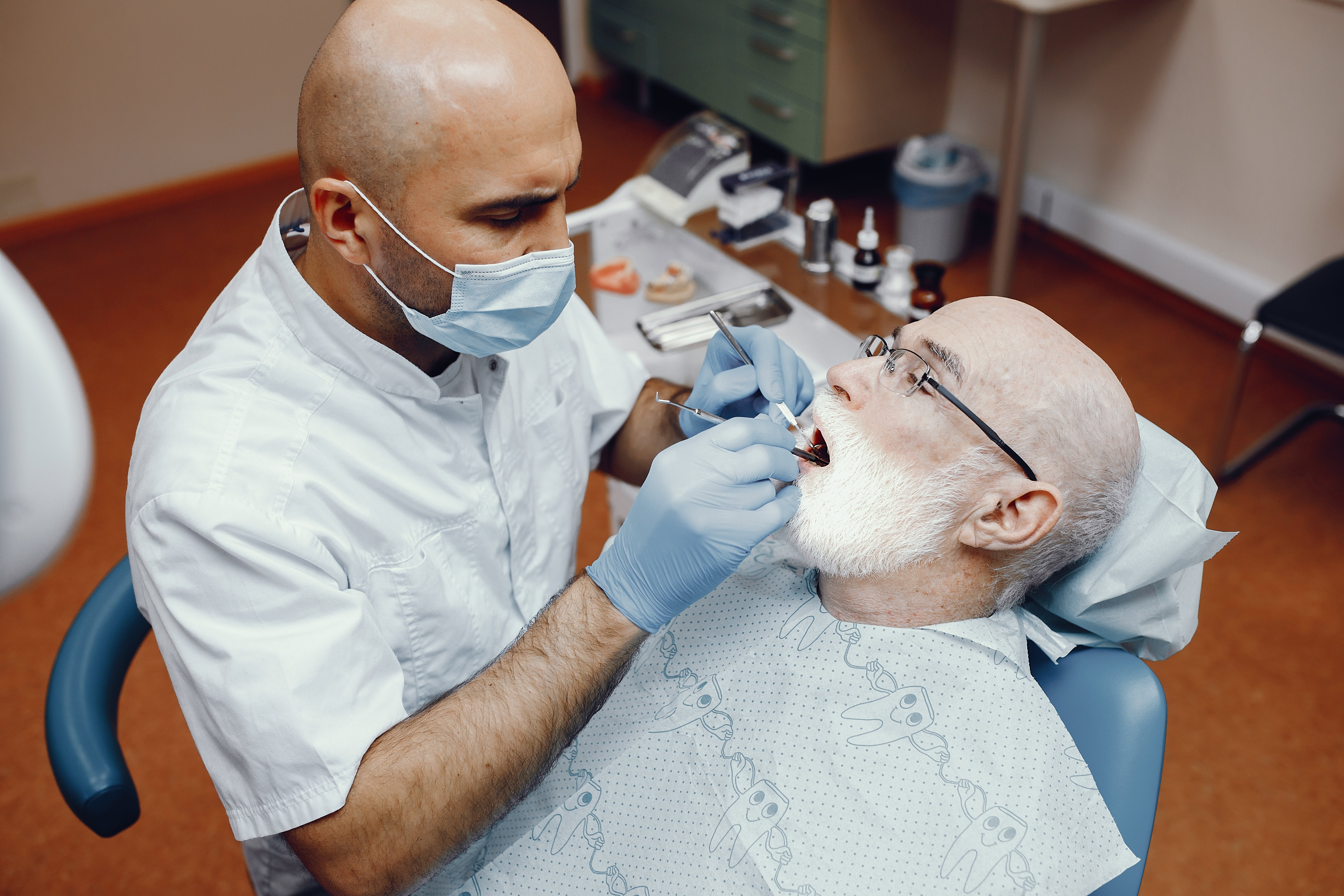
When Delta Dental processes a visit as periodontal maintenance rather than a regular cleaning. It reflects your documented clinical history, not an error. Once a patient has completed active periodontal treatment, all subsequent professional cleanings are appropriately coded as periodontal maintenance because the patient's care needs have permanently changed.
Key Takeaways
- Delta Dental processes periodontal maintenance (D4910) differently from a regular prophylaxis cleaning (D1110), at a different coverage percentage and under different benefit rules.
- Patients are surprised by this change because they feel the appointment was the same as before; the difference is in what the hygienist is addressing and monitoring, not necessarily what the appointment looks like from the outside.
- Disputing this coding is generally not appropriate unless there's an error in the documented clinical history, the code follows the patient's gum disease history, not a billing preference.
You booked what you thought was a routine cleaning. You sat in the same chair, the hygienist used the same instruments, the appointment felt identical to every cleaning you've had for years. Then your Explanation of Benefits arrived and the claim was processed as "periodontal maintenance", at a lower coverage percentage than your regular cleaning benefit.
Who changed it? Why? And is it right?
The answer to all three questions comes from your clinical chart, not from Delta Dental and not from a billing decision at the dental office.
You Booked a Cleaning. Your Insurance Says "Periodontal Maintenance." Who Changed It?
Your dental office coded the visit as periodontal maintenance (D4910) rather than a standard prophylaxis (D1110). It was the code submitted by the practice. It reflects what type of professional cleaning was provided based on your clinical history.
The dental office didn't make an error and Delta Dental didn't arbitrarily reclassify your claim. The code follows a clinical rule established in dentistry's procedure coding system: once a patient has had active periodontal treatment, specifically scaling and root planing, all subsequent professional cleanings are appropriately billed as periodontal maintenance, regardless of how the appointment felt from the patient's perspective.
Follow the Timeline: The Moment Your "Cleaning" Became Something Else
The clinical distinction has a specific origin point.
Before periodontal treatment: Your cleanings were prophylaxis (D1110). The hygienist was maintaining healthy or mildly inflamed gum tissue, removing surface calculus and polishing.
At some point: Gum disease progressed to a level requiring active treatment. Scaling and root planing (D4341 or D4342) was performed, a deep cleaning that addressed bacterial deposits on root surfaces below the gumline.
After periodontal treatment: You entered periodontal maintenance. All subsequent professional cleanings are now D4910 because the hygienist is monitoring previous disease sites, measuring pocket depths at those sites, reassessing the periodontal status and maintaining the results of active treatment.
Three Clues on Your Explanation of Benefits Most Patients Never Read
Your Delta Dental EOB contains specific information that reveals how the claim was processed and why.
The procedure code column, D4910 confirms the visit was processed as periodontal maintenance. D1110 would indicate a standard adult prophylaxis. If you see D4910 and don't believe you've had scaling and root planing, this is worth asking about.
The benefit category, D4910 is classified as a basic service under most Delta Dental plans, subject to the basic service coverage percentage (70–80%) rather than the preventive percentage (80–100%).
The frequency limitation notation, Periodontal maintenance under Delta Dental has different frequency rules than prophylaxis cleanings. Some plans cover it up to four times per year for patients in active periodontal maintenance; others cover it at a different frequency than the standard twice-yearly cleaning benefit.

Could the Same Appointment Have Been Billed as a Regular Cleaning Instead?
If you have a history of scaling and root planing: no, not appropriately. The appropriate questions to ask instead-
- Is there any clinical reason I might be returned to prophylaxis status?
- Does my Delta Dental plan cover D4910 at a higher percentage than I was told?
- What frequency does my plan allow for periodontal maintenance, so I can optimize the timing of my appointments?
The Billing Code Tells You About Your Gum History, Not Just Your Insurance
Understanding why your visit was coded as periodontal maintenance does something more useful than explaining the insurance bill, it tells you something about your own health history.
If you were genuinely unaware that you'd had scaling and root planing, this is a meaningful piece of information about your gum disease history that you should understand going forward. If the code was applied to your account in error, it's worth correcting, not for the insurance benefit, but for the accuracy of your clinical record.
The code reflects a clinical history that affects how your mouth should be monitored and maintained, regardless of how Delta Dental handles the reimbursement.
Conclusion
When Delta Dental processes your cleaning as periodontal maintenance at a lower benefit rate, it's reflecting a coding decision made by your dental provider, one grounded in your clinical history. The cleaning that "felt the same" was being performed for a patient with a documented history of gum disease, and that history permanently changes both the clinical and billing classification of professional cleanings.
At Clove Dental, we explain the clinical basis for how visits are coded, so the EOB isn't the first place you find out.
FAQs
If I had scaling and root planing years ago, does D4910 apply forever?
In almost all clinical guidelines, yes. Once active periodontal treatment has been completed, the patient enters a permanent maintenance protocol. There is no standard clinical pathway that returns a periodontitis patient to prophylaxis status because the underlying bone changes and pocket depths that resulted from the disease don't reverse.
Why does Delta Dental cover periodontal maintenance at a lower percentage than a regular cleaning?
Delta Dental classifies D4910 as a basic service rather than preventive, because it involves a more complex clinical procedure than a standard prophylaxis. Basic services are reimbursed at 70–80% under most plans, while preventive services are reimbursed at 80–100%.
What if I never had scaling and root planing but my office coded my cleaning as D4910?
This may be a coding error. Request your clinical records and ask the office specifically when scaling and root planing was performed and at which location. If no such treatment appears in your documented history, the code may need to be reviewed and potentially corrected.
Can I negotiate with my dentist to bill it as a regular cleaning to get better coverage?
No, asking a provider to submit an inaccurate procedure code to obtain higher insurance reimbursement constitutes insurance fraud. The appropriate code must reflect the actual procedure performed and the patient's clinical status.
-1.jpg?width=352&name=woman-patient-dentist%20(5)-1.jpg)

.jpg?width=352&name=132716(1).jpg)