.png?width=80&height=80&name=Clove%20Dental%20White%20Small%20(28).png "Clove Dental White Small (28)")
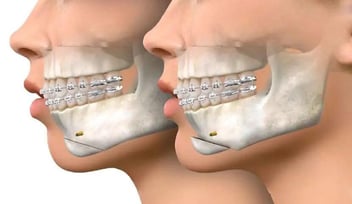
Post-dental procedure jaw pain is due to prolonged mouth opening, muscle fatigue, or slight bite adjustments. It settles down after a few days, with rest, gentle care and warm packs, but if it's getting worse, see a dentist in Encino.
Key Takeaways
- Post-dental treatment jaw pain can be explained by muscle tension or wide mouth opening.
- Simple treatment usually relieves mild pain within a few days.
- Bite alterations or more severe pain may require a visit to an Encino dentist.
- Early rest helps avoid extended pain, if pain continues or increases, seek help.
Are you feeling jaw pain after a dental visit and wondering if it is normal?
Yes, particularly after prolonged treatments. But why you feel it makes a difference. This knowledge can aid in your recovery and determine when you may need to see an Encino, CA dentist.
At Clove Dental, we frequently explain what's normal and what's not following treatment.
The Most Common Cause: Keeping Your Mouth Open Longer Than Usual
Consider what will occur when you keep any muscle in one position a long time--it becomes weary and sore. The same applies to your jaw muscles. When you are getting your teeth fixed, you keep your mouth wide open for as long as 30 minutes and longer than an hour. This prolonged period places actual pressure upon the temporomandibular muscles and the tissue.
Injection Sites and Muscle Tightness: Why the Pain Feels Deeper Than Expected
Most dental procedures involve injections of local anesthesia, which is a normal procedure, but the area where the injection is made may be painful even after the procedure. The temporary effect of the needle on the muscle and surrounding tissue is stiffness or bruised sensation that may last a few days.
Others also undergo a temporary muscle spasm known as trismus; this makes the patient more difficult to open the mouth wide. This occurs more frequently following lower jaw injections.
When Your Bite Feels “Off” After Treatment
Some patients have reported that their teeth fail to fit together after a filling, crown or other restorative work as it normally fits together. A bite that is a little high will result in a tightening of the jaw and pain due to the overworking of your muscles to counteract the uneven stimulation.
This can be done easily. Do not attempt to tough it out--get your dentist to call in Encino and ask him to have the bite readjusted. A speedy polishing of the restoration can prove to be a great difference and help avoid the discomfort that can linger on.
The Difference Between Normal Soreness and Something That Needs Attention
Normal post-procedure jaw pain is a dull manageable pain that gets better with each passing day. It does not present with swelling, fever, and diffusive pain. You can still manage to open your mouth, eat soft food and continue with your day with a little discomfort.
Pain which is not improving but getting worse after 48 hours, or which is accompanied by visible swelling, difficulty in swallowing, or bad taste in your mouth is not normal and requires immediate action. These may be indicators of infection that should be assessed by your dental professionals in a hurry.
What Actually Helps: Simple Ways to Reduce Jaw Pain at Home
These are the best home remedies that do work-
- Use a warm compress to the jaw 15-20 minutes two to three times per day. Heat also loosens muscle contractility and enhances circulation.
- Use over-the-counter anti-inflammatory drugs such as ibuprofen. These treat both underlying inflammation and pain simultaneously.
- Consume soft food like yogurt, soups, mashed potatoes, and smoothies. Avoid hard, crunchy or chewing food that causes an additional load on the jaw.
- The muscles of the jaw are to be gently rubbed with your fingertips in little circles to relieve tension.
- Extremes of opening your mouth should be avoided by doing wide yawning, chewing gum or opening your mouth wider than is needed.
Why Overusing the Jaw Too Soon Can Make It Worse
We know how difficult it becomes to eat normally once the numbness has gone away. However, chewing tough foods or talking too much too soon is like running on a sprained ankle. It slows down the healing rate and may even cause the mild soreness to become a much more protracted distress.
Have a real rest with your jaw during the first 24-48 hours after a procedure. One of the most effective and easiest things you can do to accelerate your healing process is it.
How Long Jaw Pain Should Last After Different Procedures
The time needed to recover following the different procedures differs-
- Routine cleaning or fillings: 1-2 days of mild pain.
- Root Canals or extractions: 3-5 days or sometimes up to a week.
- Crown placements or more extensive restorative work: 3-7 days.
- Several processes during a visit: Can be a little more time consuming because of longer chair time.
When you are not noticing improvements in your pain in this time, or when it comes back, contact your Encino dentist to have a follow-up.
When Jaw Pain Is Not Normal (And You Should Call Your Dentist)
Call your dental office immediately in case you feel any of the following-
- Severe pain that is gradually increasing beyond 48 hours.
- Marked jaw, cheek or neck swelling.
- Fever/chills/jaw pain
The problem with opening or closing your mouth is more than mildly stiff.
How to Prevent Jaw Pain in Future Appointments
Planning is a long way. The following are strategies to use before your next visit-
- Before the procedure, inform your dentist in Encino whether or not you have experienced jaw tension or TMJ sensitivity.
- Request periodic rests with longer procedures to be able to close your mouth and rest the jaw muscles.
- Do some light stretches with the jaw in the days before your appointment to increase flexibility.
Consider asking to use a small bite block in case there is one available it can be used to stabilize the jaw in long procedures.

Conclusion
Jaw pain after dental work is an inconvenience but it does not have to slow you down for long. Most patients feel much better in a matter of days with the correct care at home (warmth, rest, soft foods, anti-inflammatory medication). The trick is, listen to your body, give your jaw a rest and understand when to pick up the phone.
At Clove Dental, we prioritize your comfort before, during, and long after your appointment. In case of jaw pains following a recent operation, or when you want to talk to a compassionate dentist at Encino, who cares about your healing process, we are here to assist you.
FAQs
Is jaw pain after a filling normal?
Yes, slight soreness of the jaw following a filling is quite normal. It is normally induced by holding your mouth open in the process or slight irritation of the anesthesia injection.
How do I know if my jaw pain is serious after dental work?
Be aware of such warning signs, such as the aggravation of pain in 48 hours, visible swelling, fever, trouble in swallowing, or inability to open your mouth.
Can I use heat or ice for jaw pain after a dental procedure?
In most cases, heat works best for jaw muscle pain because it relaxes tight muscles. Ice can help reduce swelling in the first 24 hours after a procedure like an extraction.
-1.webp?width=352&name=Untitled%20design%20(1)-1.webp)