.png?width=80&height=80&name=Clove%20Dental%20White%20Small%20(28).png "Clove Dental White Small (28)")
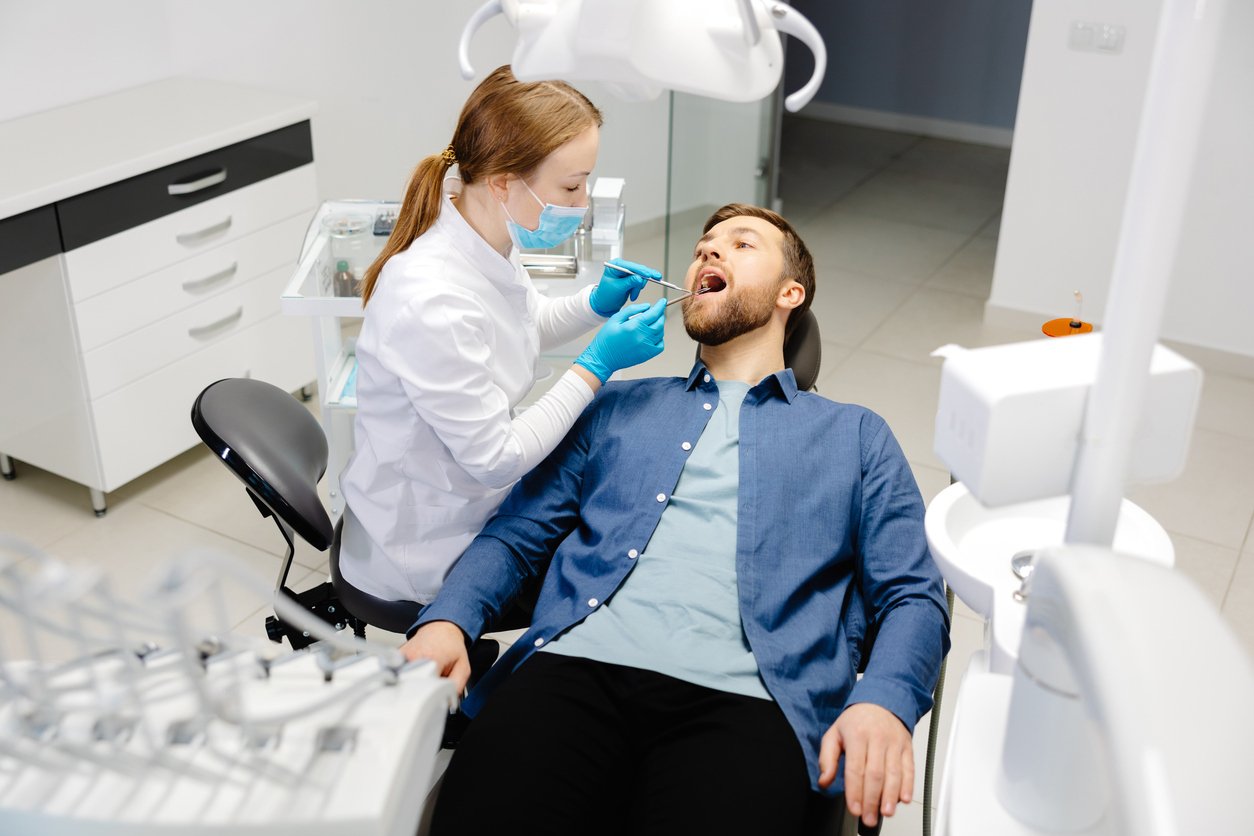
Managing a severe toothache within the framework of dental anxiety is a specialized approach that incorporates instant pain relief procedures with advanced sedation methods. The process at Clove Dental is trauma-informed, so nervous patients are treated quickly and with comfort in an emergency situation without triggering any phobias. Safe anesthetics help resolve deep infections. Additionally, medical literature supports that NSAIDs alone or in combination with acetaminophen are the first-line therapy for managing acute dental pain [1] (Green et al., 2025).
How to Know When a Toothache Is a Dental Emergency
If you suffer from dental anxiety, it is natural to want to wait out the pain. You might take over-the-counter pain relievers and hope the throbbing goes away. However, delaying care can turn a simple fix into a complex problem. You need to know exactly when a toothache crosses the line into a true emergency. If your tooth pain wakes you from a deep sleep, causes swelling in your cheek or jaw, or comes with a fever, you are experiencing an active infection. Clinical evidence shows that Fever, extraoral and intraoral swelling, erythema, and tenderness to palpation are common clinical outcomes of dental abscesses [2] (Shweta et al., 2013). A foul taste in your mouth or a sudden, sharp sensitivity to hot temperatures also indicates a severe issue. Acknowledging this can feel frightening. Yet recognizing these signs and acting quickly can protect you. Addressing an emergency right away prevents the infection from spreading and keeps your treatment as simple and conservative as possible.
The Psychological Impact of Chronic Dental Pain
A bad toothache not only damages your mouth but can also negatively affect your emotional and mental energy. If you are living with constant pain, your body is under significant stress. This can affect your ability to concentrate at work, disrupt your sleep cycle, and reduce your patience with your family. Medical literature supports that people with dental pain show higher stress and depression than people without dental pain [3] (Hariyanio et al., 2024). Chronic discomfort quickly leads to burnout for busy California professionals balancing career and home life. Nonetheless, modern dental care recognizes the link between oral health and mental well-being. You are not just fixing a tooth by taking the brave step to get your toothache sorted out. You are reclaiming your focus, your mood, and your quality of life. The moment that deep, throbbing pain is finally gone, the relief you feel is both physical and emotional.
Comfort-First Technology We Use to Protect Your Peace
For many anxious patients, the fear of the dentist is tied to specific sensory triggers, like the high-pitched whine of a drill or the discomfort of traditional impression trays. At Clove Dental, we have intentionally designed our operatories to eliminate these classic triggers. We utilize comfort-first technology to create a calm, soothing environment. Instead of traditional loud tools, our doctors use quiet electric handpieces that minimize vibration and noise. If we need a 3D model of your teeth, we skip the gag-inducing putty and use a sleek digital intraoral scanner to take a quick, painless digital picture. We also provide noise-canceling headphones and weighted blankets. By removing the sights, sounds, and sensations that cause panic, we help your nervous system stay completely relaxed during your emergency care.
Sedation Options for Anxious Patients
To help you choose what feels best, here is a comparison of the sedation options we use for severe toothache emergencies.
|
Sedation Type |
Depth of Calm |
Relative Cost |
Recovery Time & Aftercare |
|
Nitrous Oxide (Laughing Gas) |
Mild relaxation |
Low |
Fast. You can drive yourself home immediately after. |
|
Oral Conscious Sedation |
Moderate to deep relaxation |
Medium |
Next day. Requires a friend or family member to drive you home. |
|
IV Sedation |
Deepest calm (often sleep through it) |
Higher |
Next day. Requires a driver and a day of rest at home. |
How to Communicate Your Dental Fears to Our Team
Advocating for yourself when you are scared can be difficult, especially when you are already in pain. We want you to know that there is zero judgment here. To help us customize your visit, we encourage you to be open about your anxiety from the moment you contact us. When you sit in the chair, we will establish a simple "stop signal" with you, usually just raising your left hand. If you feel overwhelmed or need a break for any reason, you just raise your hand, and we stop immediately. For instance, you can also tell us if you prefer a play-by-play explanation of what we are doing, or if you would rather put on your headphones and close your eyes. Sharing your boundaries helps us tailor the appointment to your emotional needs and keep you in control.
Life After Emergency Treatment: Rebuilding Your Dental Confidence
The hardest part of your journey is simply making the decision to walk through our doors. Once your severe toothache is resolved, a remarkable shift happens. Patients who were once terrified often discover that their emergency visit was nothing like the negative experiences of their past. Experiencing pain-free, trauma-informed care breaks the cycle of dental anxiety. After your tooth is healed, you will find it much easier to schedule routine cleanings and preventive exams. By establishing a relationship with a gentle team you trust, you protect yourself from future emergencies. You transition from avoiding the dentist out of fear to confidently maintaining a healthy, beautiful smile for years to come.
FAQS
1. If you opt for an emergency tooth extraction with oral sedation, will you experience any pain during the procedure?
No. You are given an oral sedative to keep your mind calm and away from the procedure, and we use strong local anesthetics to completely numb that particular tooth. You may feel a little pressure but no sharp pain.
2. How can I mentally prepare myself for a dental visit with a bad toothache?
When you call, tell our front desk your fears right away. Bring a supportive friend or family member to sit in the waiting room with you.
3. I have severe panic attacks. Can a dentist fix my toothache on the same day?
Yes. We are able to offer same-day emergency treatments in our practice for very anxious patients.
References
[1] Green, V. G., Polk, D. E., Turturro, M. A., Moore, P. A., & Carrasco-Labra, A. (2025). Evidence-based clinical practice guidelines for the management of acute dental pain. The American journal of emergency medicine, 89, 247–253. https://doi.org/10.1016/j.ajem.2024.12.054
[2] Shweta, & Prakash, S. K. (2013). Dental abscess: A microbiological review. Dental research journal, 10(5), 585–591.
[3] Hariyani, N., Maulina, T., & Nair, R. (2024). The Association between Dental Pain and Psychological Symptoms: Evidence from a Population-Based Study in Indonesia. European journal of dentistry, 18(2), 563–570. https://doi.org/10.1055/s-0043-1774320