.png?width=80&height=80&name=Clove%20Dental%20White%20Small%20(28).png "Clove Dental White Small (28)")
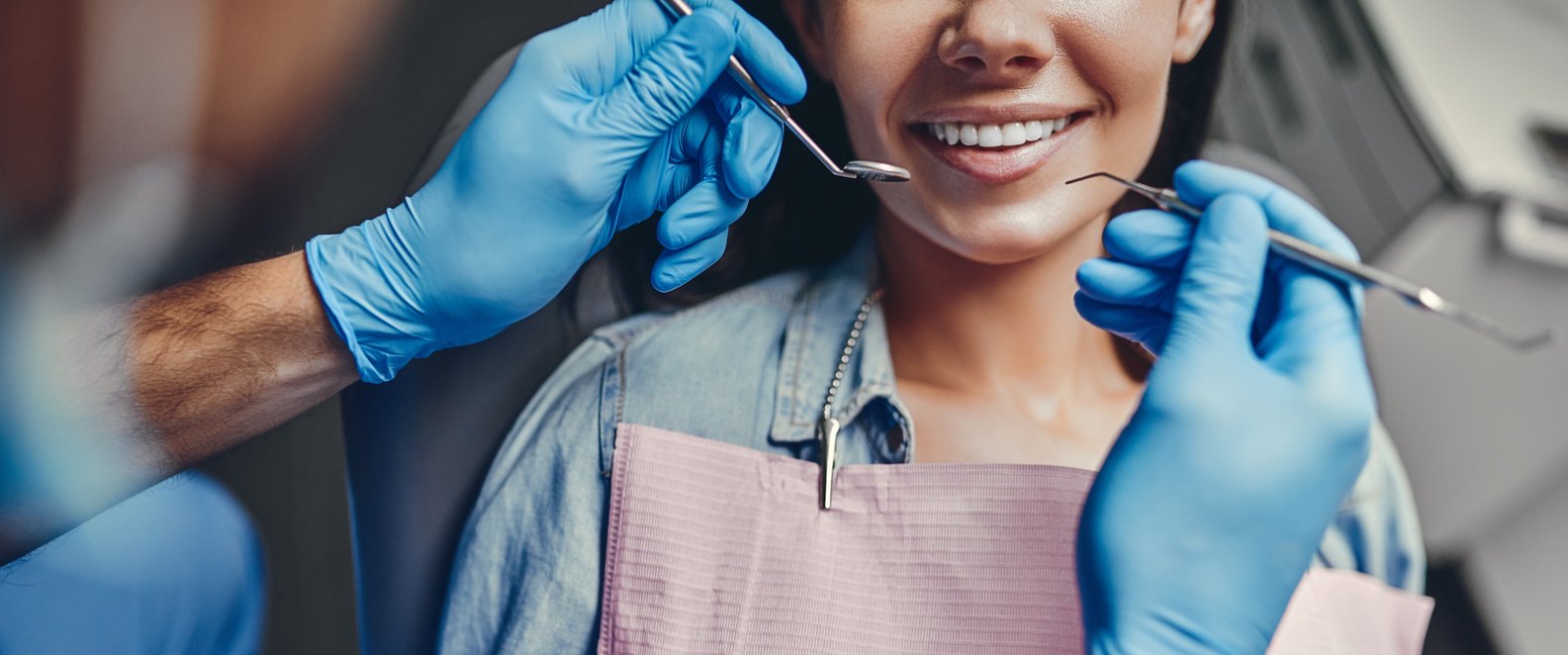
A dead tooth occurs when the inner nerve tissue dies from a lack of blood flow. Signs include a distinct gray or black discoloration and sharp, lingering pain. Medical literature supports that Pulp necrosis occurs when the innermost tissue of your tooth (the pulp) dies [1] (Clinic, n.d.). Dentists at Clove Dental treat dead teeth using root canal therapy to remove the infection and save your natural tooth structure.
The Stages of a Dying Tooth: What to Watch For
A tooth does not die overnight. The process happens in distinct stages. Recognizing these early warning signs can help you save your tooth before the infection spreads to your jawbone.
- Super Sensitive Stage 1. Eating ice cream or drinking hot coffee causes sharp pain. Pain in this stage classically lingers for a minute or more after a hot or cold food is gone.
- Stage 2: Pulsing at a steady rate. Your blood vessels swell in the confined space of your tooth, and the pressure builds. You will likely get a constant, heavy ache that worsens when you lie down to sleep.
- Stage 3: Discoloration and Numbness. The nerve dies. The pain suddenly stops, which can trick many patients into thinking the tooth healed. Soon after, the tooth begins to turn dark yellow, gray, or black.
Internal Bleaching vs. Dental Crowns for Discoloration
Once a root canal clears the dead tissue from your tooth, you still need to address the dark color. Because the stain is on the inside, normal whitening toothpaste will not help. Your dentist will recommend one of two targeted solutions.
- Internal Bleaching: If the tooth is still structurally intact, your dentist can place a special whitening agent directly into the root canal. We leave this on for a few days to safely bleach the tooth from the inside out. Clinical literature indicates that Internal tooth whitening is a conservative procedure that improves the appearance of nonvital teeth with internal discoloration without requiring the loss of additional tooth structure [2] (Jin et al., 2024).
- Porcelain Dental Crowns: A dead tooth is usually weak and susceptible to breakage. A custom dental crown is usually the best option. It is like a protective helmet for your teeth. The crown restores the strength of your bite and is color-matched perfectly to the surrounding teeth, permanently hiding the dark stain.
Comparing Dead Tooth Treatments
|
Treatment Option |
Average Cost Range |
Durability & Success |
Maintenance Level |
|
Root Canal + Crown |
Moderate to High |
95%+ success rate; often lasts a lifetime. |
Low. Brush and floss as you would a natural tooth. |
|
Tooth Extraction |
Low (Initial) |
Leaves a gap; requires a replacement to prevent shifting. |
Low for the extraction, but requires future implant care. |
|
Extraction + Implant |
High |
Excellent durability; 95%+ success rate. |
Moderate. Requires diligent gum care and multiple visits. |
The Hidden Dangers of Ignoring a Dead Tooth
It is tempting to ignore a dead tooth, especially if the pain has stopped. However, leaving necrotic tissue in your mouth creates a serious health risk. The dead pulp becomes a breeding ground for bacteria. These bacteria will eventually travel down the root and into your jawbone, creating a painful pocket of pus called a dental abscess. Medical evidence supports that dental abscesses and their complications place a substantial burden on individuals [3] (Shweta et al., 2013). An abscess can cause severe facial swelling, bone loss, and fever. In rare cases, the infection can even enter your bloodstream. Do not wait for a dental emergency. Root canal therapy safely removes this risk, protecting your whole body while saving your smile.
Advanced Diagnostics: How We Test for Nerve Death
You might be wondering how a dentist knows a tooth is dead. At Clove Dental, we use the most advanced diagnostic tools to provide accurate, comfortable care for our patients in California. First, we do a simple thermal test. We apply a safe cold sensation to the tooth. If you feel nothing, that confirms the nerve is dead. Next, we use a gentle electric pulp tester that sends a tiny pulse to check for nerve activity. Finally, we take high-resolution 3D images (CBCT scans). These images let us see beyond your gums and map the exact shape of your root canals, so we can catch hidden bone infections before we start treatment.
Post-Treatment Care: Keeping Your Restored Tooth Strong
Modern root canals are highly successful, but how you care for your mouth after your appointment matters. Taking a few simple steps will keep your restored tooth healthy for decades.
- Eat Soft Foods: For the first 48 hours, eat soft foods, such as yogurt, soup or scrambled eggs. Do NOT chew on the side of your treated tooth until your permanent crown is placed.
- Keep Brushing: You should brush and floss normally, but be gentle around the treated area to avoid irritating your gums.
- Wear a Nightguard: If you grind your teeth at night, ask your dentist about a custom mouthguard. Grinding puts heavy stress on a treated tooth and can cause the crown to chip.
- Attend Follow-Ups: Keep your scheduled visits at Clove Dental. We will take quick X-rays to confirm the bone is healing perfectly around your root.
FAQS
1. Can a dead tooth heal on its own?
No. Once the nerve tissue inside the tooth dies, it cannot regenerate. Without professional treatment, the dead tissue will breed bacteria, leading to a painful abscess or bone loss in your jaw.
2. Does a dead tooth always hurt?
Not necessarily. The nerve is dying, and you may feel intense pain. Once the nerve is dead, the pain usually goes away. But even if the pain is gone, the infection is still there and needs to be treated.
3. Can I just bleach a dead tooth to make it white again?
Standard over-the-counter whitening strips will not work. Because the dark color comes from the inside of the tooth, surface bleach cannot reach it. Your dentist can use internal bleaching after a root canal, or cover the tooth with a porcelain crown to restore its white appearance.
References
[1] Clinic, C. (n.d.). Pulp necrosis: Causes, symptoms & treatment. Cleveland Clinic. Retrieved September 8, 2026, from https://my.clevelandclinic.org/health/diseases/23573-pulp-necrosis
[2] Jin Y, Paranhos KS, Salamone A, et al. Internal Tooth Whitening. [Updated 2024 May 7]. In: StatPearls [Internet]. Treasure Island (FL): StatPearls Publishing; 2026 Jan-. Available from: https://www.ncbi.nlm.nih.gov/books/NBK603756/
[3] Shweta, & Prakash, S. K. (2013). Dental abscess: A microbiological review. Dental research journal, 10(5), 585–591.