.png?width=80&height=80&name=Clove%20Dental%20White%20Small%20(28).png "Clove Dental White Small (28)")
Key Takeaways
- Mouth sloughing is the peeling or shedding of soft lining inside the mouth. It majorly affects the cheeks, lips or gums.
- It is often triggered by irritation from oral care products, dry mouth, or repeated friction rather than infection.
- Mild mouth sloughing usually improves once the irritant is removed and does not cause bleeding or open sores.
- Gentle oral care habits and regular dental check-ups help prevent recurring mouth sloughing.
Have you ever brushed your teeth, rinsed your mouth, and then felt something strange? Maybe you ran your tongue over your cheek and found a stringy, slimy white substance.
It can be alarming. You might rush to the mirror, worried that something is seriously wrong. But what you are seeing is likely a very common condition called mouth sloughing. It looks scary, like your skin is melting off, but in most cases, it is simply your mouth's way of saying, "I don't like this product."
At Clove Dental, we know that discovering weird symptoms in your mouth can be stressful. You want simple answers, not confusing words. We are here to help you understand what is going on and how to fix it. That way, you can brush your teeth without being worried.
What Is Mouth Sloughing?
Mouth sloughing is the peeling of the soft lining inside the mouth, usually caused by irritation from toothpaste, mouthwash, or dryness rather than infection. It is typically harmless and improves once the irritant is removed.
Because the inside of your mouth is wet, this dead skin doesn't flake off like dry skin. Instead, it turns into a white, gooey, or stringy film. You might notice it rolling up into little balls when you rub your tongue against your cheek. While it feels gross, it is usually painless.
The #1 Suspect: Your Toothpaste
If you are trying to figure out the cause of mouth sloughing, look at your bathroom counter first.
Most commercial toothpastes contain an ingredient called Sodium Lauryl Sulfate (SLS). This is a detergent that makes the toothpaste foam up and create bubbles. It makes us feel like our teeth are getting extra clean. However, SLS is a known irritant.
For many people, SLS is too harsh. It strips away the protective coating of the mouth and irritates the delicate skin cells. In response, the body sheds that irritated layer. If you recently switched brands and started noticing mouth sloughing, check the label for "Sodium Lauryl Sulfate."
Other Common Causes
While toothpaste is the usual suspect, there are other reasons why your cheeks might be shedding:
1. Harsh Mouthwash
Do you use a mouthwash that gives you that intense "burning" fresh feeling? That burn often comes from alcohol. Alcohol dries out the tissue in your mouth. If the tissue gets too dry, it dies and peels off. Switching to an alcohol-free rinse can often stop mouth sloughing in just a few days.
2. Acidic Foods
We all love a glass of lemonade or a sour candy now and then. But highly acidic foods can cause a mild chemical burn on your cheeks. If you eat a lot of citrus, tomatoes, or soda, you might notice peeling afterwards.
3. Food Allergies
Sometimes, mouth sloughing is a mild allergic reaction. It acts like a warning sign from your body. If you always notice peeling after eating a specific fruit or nut, you might have a minor allergy to it.
How to Treat and Prevent It?
The good news is that you rarely need medicine to fix this. You just need to be a detective.
- Switch Your Paste: Look for "SLS-Free" on the box. Many sensitive-teeth toothpastes are made without harsh detergents. Try one for two weeks and see if the mouth sloughing stops.
- Check Your Rinse: Throw away mouthwashes that contain alcohol. Look for gentle, therapeutic rinses instead.
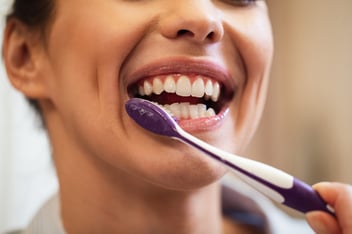
- Be Gentle: When you brush, use a soft-bristled one. Do not scrub your cheeks or gums too hard, as friction can also cause peeling.
When Should You See a Doctor?
While mouth sloughing is usually harmless, you should pay attention if it comes with other symptoms. If the peeling leaves behind raw, bleeding red spots, or if you have pain, blisters, or a fever, this is not just a reaction to toothpaste. It could be an infection or an autoimmune issue. In these cases, you need professional eyes on the problem.
Care That Puts You First
Clove Dental focuses on making dental care straightforward and dependable. Patients receive coordinated care that looks at oral health as a whole, rather than treating isolated symptoms. This approach helps identify underlying causes and supports better long-term outcomes.
Clove Dental has clinics that are easy to find, making it simple for patients to get the care they need. They provide clear explanations and professional help while focusing on comfort. This allows patients to talk about their concerns without added stress or delays.
Conclusion
Mouth sloughing usually happens when your body reacts to irritation. It is not a sign of a serious illness. If you catch it early, it can be resolved without complications.
Learning about mouth sloughing can help you make small changes to protect your oral health. If symptoms continue, getting help from a professional can provide you with the clarity and comfort you need.
FAQs
What are the best over-the-counter treatments for mouth sloughing?
Over-the-counter treatments for mouth sloughing focus on removing irritation rather than medicating the tissue. Switching to an SLS-free toothpaste, using alcohol-free mouthwash, staying well hydrated, and brushing gently with a soft toothbrush are usually enough to allow the mouth lining to heal within days.
Can mouthwash products help reduce mouth sloughing symptoms?
Yes, but only the right kind. Alcohol-free mouthwashes can help soothe oral tissue and reduce dryness, which may improve mouth sloughing. Mouthwashes containing alcohol or strong antiseptics may worsen peeling and should be avoided.
What toothpaste is best for sensitive mouths with mouth sloughing?
Toothpaste made for sensitive mouths and labeled SLS-free is best for people experiencing mouth sloughing. These formulas clean effectively without harsh detergents that can irritate the oral lining and trigger peeling.
Can mouth sloughing be caused by toothpaste or mouthwash ingredients?
Yes. Mouth sloughing is triggered by ingredients such as sodium lauryl sulfate (SLS) in toothpaste and alcohol in mouthwash. These substances can irritate the oral lining, causing the top layer of tissue to peel.
When should mouth sloughing be checked by a dentist?
Mouth sloughing should be checked by a dentist if it lasts longer than two weeks, causes pain or bleeding, or is accompanied by sores, fever, or worsening irritation despite changing oral care products.