.png?width=80&height=80&name=Clove%20Dental%20White%20Small%20(28).png "Clove Dental White Small (28)")
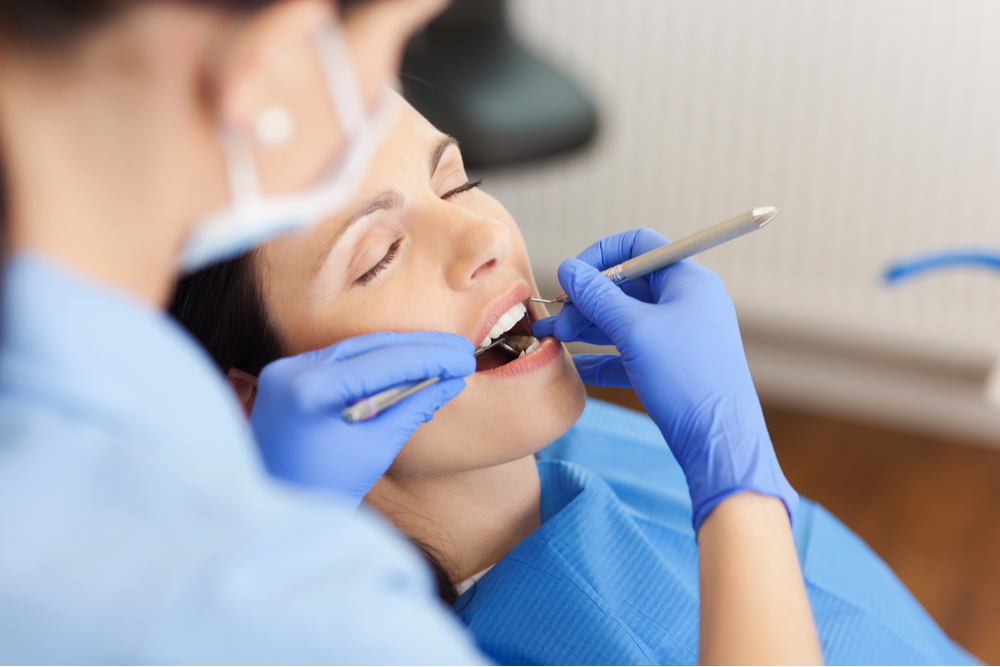
Preventing wisdom teeth complications begins with consistent monitoring, X-rays taken at routine dental visits track how wisdom teeth are positioned and whether they're likely to cause problems as they develop. Most complications from wisdom teeth (impaction, infection, cyst formation, crowding and damage to adjacent teeth) are predictable from imaging long before they become emergencies.
Key Takeaways
- Most wisdom teeth complications are predictable from dental X-rays before they become painful, consistent monitoring is the most effective prevention tool.
- The five most common wisdom teeth complications (impaction, pericoronitis, cyst formation, adjacent tooth damage, and crowding) all develop gradually and are identifiable before they cause symptoms.
- Timing matters significantly for wisdom teeth removal in Camarillo, extraction before the roots are fully formed (before age 25) is associated with faster healing and fewer complications.
- Wisdom teeth that aren't causing problems today may still warrant monitoring or preventive removal based on their position and trajectory.
- Partially erupted wisdom teeth that appear "fine" are the highest risk for infection because they're nearly impossible to clean adequately.
Wisdom teeth cause problems in a predictable sequence: they develop in a position that doesn't leave enough room, they partially emerge, they become difficult or impossible to clean, they become infected and then they require removal under more complicated conditions than earlier extraction would have involved.
That sequence isn't inevitable. It's predictable, and a wisdom teeth removal in Camarillo conversation that happens before the problem is already acute is one where more options exist and where outcomes are consistently better than waiting for symptoms to force the decision.
At Clove Dental, we believe prevention starts with what we can see on an X-ray, not with what's already causing pain.

Why Wisdom Teeth Become Complicated for Some People but Stay Quiet for Others
Wisdom teeth, the third molars, typically emerge in the late teens and early twenties. Whether they cause problems depends primarily on two factors: the amount of space available in the jaw and the angle at which they're developing.
Some people have enough space in the jaw arch for four additional molars to erupt cleanly, position correctly and function without issue. These patients may go their entire lives with retained, functional wisdom teeth. Others have jaws that can comfortably accommodate 28 teeth but not 32, a fundamentally anatomical reality that means the wisdom teeth will either not fully erupt, erupt at an angle against adjacent teeth or emerge partially and create a cleaning problem that leads to infection.
Five Problems Dentists Try to Prevent Before They Become Emergencies
Impaction
An impacted wisdom tooth is one that can't fully emerge because something is blocking it, the adjacent tooth, bone or simply insufficient space. Fully impacted wisdom teeth may remain in the bone indefinitely but they can develop cysts around them and damage the roots of adjacent teeth over time.
Pericoronitis
When a wisdom tooth partially erupts, a flap of gum tissue often remains over part of the crown. This flap creates a space between the tooth and the tissue that's nearly impossible to clean adequately, a protected environment where bacteria accumulate, leading to painful infection of the surrounding tissue.
Cyst formation
Each wisdom tooth develops within a follicle, a small sac of tissue. If the tooth doesn't erupt normally, that follicle can expand into a dental cyst over years, gradually destroying surrounding bone and potentially affecting adjacent teeth.
Damage to adjacent teeth
Horizontally or angled wisdom teeth press against the roots of the second molars next to them. Over time, this pressure can cause resorption, biological destruction, of the second molar's root. This damage to a tooth the patient intends to keep is one of the strongest arguments for early wisdom tooth removal when impaction and adjacency are confirmed on imaging.
Crowding
The relationship between wisdom teeth and crowding of other teeth is debated in the literature, wisdom teeth alone are not established as the primary cause of adult anterior crowding.
Why Your Wisdom Teeth Might Need Monitoring Even If They Don't Hurt
Partially erupted wisdom teeth that don't cause pain are among the most commonly underestimated dental situations.
A partially erupted wisdom tooth that doesn't hurt has established a stable situation, the tooth has emerged to a position where it's not actively pressing on anything or producing acute infection. What it's doing is creating a chronic situation where a small portion of the crown is visible in the mouth, covered by a gum flap that can't be fully cleaned, accumulating bacterial biofilm continuously.
Why Timing Can Make Wisdom Teeth Treatment Easier
The clinical evidence on timing for wisdom teeth removal in Camarillo is consistent: earlier is generally better, when removal is indicated.
In the late teens and early twenties, wisdom tooth roots are not fully formed. Roots that haven't completed development are shorter and have less dense bone around them, the extraction is faster, the bone heals more completely and the risk of involving the inferior alveolar nerve is lower.
By the early thirties, roots are fully formed, bone is denser, and the proximity of the inferior alveolar nerve is more fixed. Removal remains safe and routine but is typically more involved than the same procedure five years earlier. By the forties and fifties, the surgical complexity increased further.
Conclusion
Wisdom teeth don't have to become an emergency. Most of what makes them complicated is visible on imaging before it becomes painful, and the decisions that produce the best outcomes are made before the situation forces them.
At Clove Dental in Camarillo, we monitor wisdom tooth development at routine visits and help you make informed decisions about timing, before complications define the timeline for you.
FAQs
How do I know if my wisdom teeth need to be removed?
The evaluation involves both clinical examination and panoramic X-ray imaging. Position (impacted vs. partially erupted vs. fully erupted), available space, angle relative to adjacent teeth, and any evidence of cyst formation or adjacent tooth damage all factor into the recommendation.
Can I wait and see if my wisdom teeth cause problems before removing them?
Yes, for wisdom teeth that are fully erupted, properly positioned, and cleanable, monitoring is a reasonable approach. For wisdom teeth that are partially erupted, impacted against adjacent teeth or showing early signs of cyst formation, waiting allows complications to develop that make eventual removal more involved.
What is the recovery like after wisdom teeth removal in Camarillo?
Recovery varies by the complexity of the extraction. Simple erupted wisdom tooth removal may involve minimal soreness and a few days of soft diet. Surgical removal of impacted wisdom teeth involves three to five days of noticeable swelling and discomfort with most patients returning to normal activity within a week.
At what age is it too late to have wisdom teeth removed?
There's no upper age limit for wisdom teeth removal, the procedure is performed successfully in patients of all ages. Surgical complexity and recovery time do increase with age as roots fully form and bone density increases.ile and promote long-term oral health.