.png?width=80&height=80&name=Clove%20Dental%20White%20Small%20(28).png "Clove Dental White Small (28)")
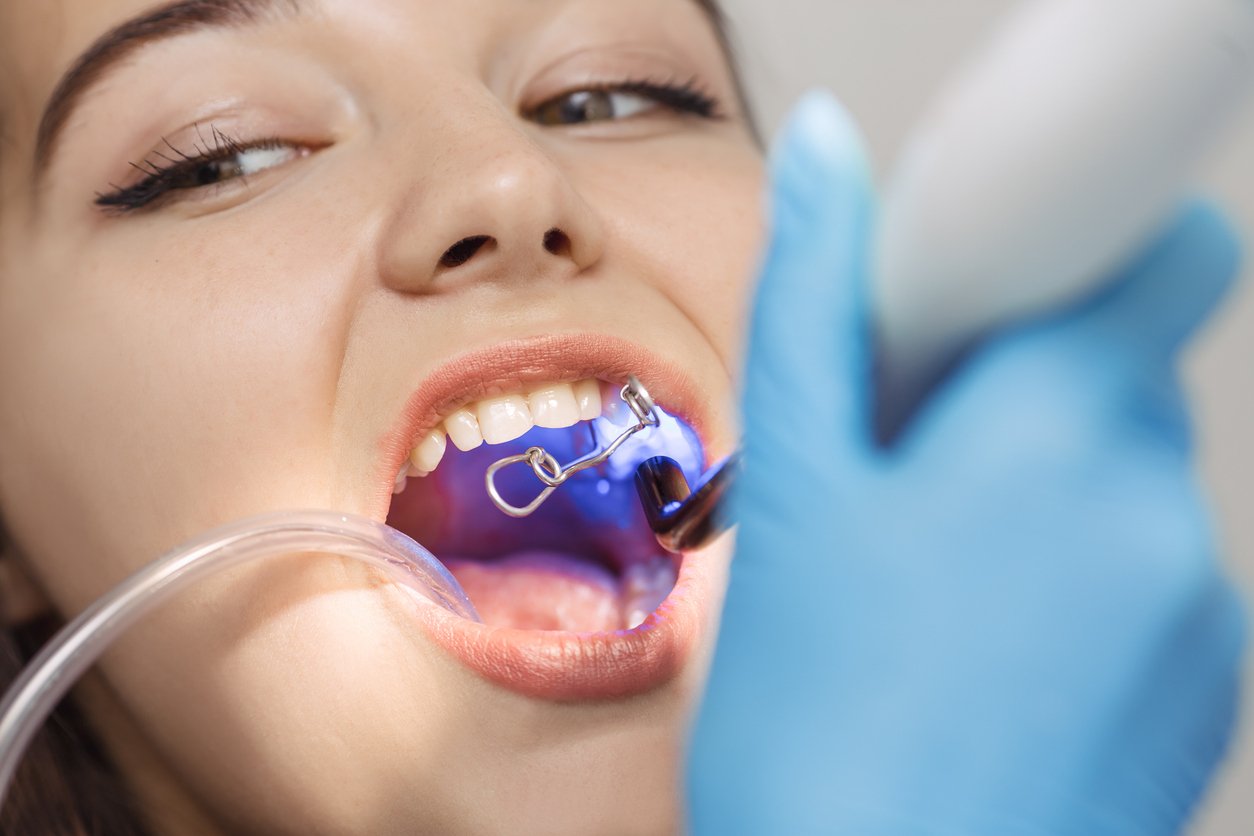
Same-day dental bonding is a non-invasive cosmetic procedure that uses a customized, tooth-colored composite resin to repair chipped, fractured, or gapped teeth. The medical literature indicates that the immediate bonding effectiveness of contemporary adhesives is generally quite favorable, regardless of the approach used [1] (Mourad, 2018). This fast treatment is completed in a single dental visit, instantly restoring your natural smile without the need for drilling or local anesthesia.
Quick First Aid: What to Do in the First 24 Hours After a Chip
A chipped tooth often happens at the most inconvenient times. While a minor chip is not a life-threatening emergency, that new, jagged edge can easily scrape your tongue or the inside of your lip. Clinical evidence supports that Minor fractures have an excellent prognosis with proper restoration [2] (Patnana et al., 2025). If you cannot get to Clove Dental until the next morning, your primary goal is to protect your mouth. First, rinse your mouth gently with warm water to clear away any tiny enamel fragments. If the edge is very sharp, cover it with a small piece of orthodontic wax or even a piece of sugar-free gum. This provides a soft, safe barrier for your tongue. Finally, avoid eating hard or crunchy foods on that side of your mouth. Stick to a soft diet for the next 24 hours to prevent a small chip from turning into a deeper fracture before your appointment.
Beyond the Chip: Other Aesthetic Flaws Dental Bonding Can Fix
While bonding is the ultimate quick fix for a chipped front tooth, it is also a versatile cosmetic tool. For the Up-and-Comer looking to refine their smile before a big interview, bonding offers a fast, budget-friendly makeover. Our clinical team uses this exact same composite resin to correct several other common aesthetic flaws. If you have a noticeable gap between your two front teeth, we can apply bonding to the inner surfaces to close the gap seamlessly. We can also use it to lengthen a tooth that appears too short, or to cover stubborn white spots and discoloration that traditional teeth whitening cannot erase. It is a highly customizable process that reshapes your smile in a single afternoon.
Comparing Cosmetic Restorations
When choosing how to repair a damaged tooth, it helps to understand your options. Here is how same-day bonding compares to other common cosmetic solutions:
|
Treatment Type |
Estimated Cost Impact |
Durability |
Maintenance Level |
Best Suited For |
|
Dental Bonding |
Low (Often 200– 200– 600 per tooth) |
5–10 Years |
Moderate (Avoid biting hard objects) |
Minor chips, small gaps, and fast same-day fixes. |
|
Porcelain Veneers |
Premium |
10–15+ Years |
Low (Standard daily brushing) |
Complete smile makeovers and severe discoloration. |
|
Dental Crowns |
Moderate to High |
15+ Years |
Low (Acts like a natural tooth) |
Teeth with structural damage, deep cracks, or post-root canal. |
Why Dental Bonding is the Smartest Choice for Active Teens
If you are the Family CEO, you know that active teenagers are prone to sports injuries and accidental bumps. When a teen chips a front tooth during basketball practice, parents often worry about the long-term cost. Dental bonding is the absolute best choice for young, developing smiles. Unlike porcelain veneers—which require a dentist to permanently remove a layer of healthy enamel—bonding is fully reversible and non-invasive. Because a teenager's jaw and gum lines are still growing, placing a permanent veneer or crown too early can lead to alignment issues later. Bonding safely restores their confidence today while preserving their natural tooth structure for adulthood.
How to Protect Your New Bonded Tooth from Daily Wear
Your new bonded tooth will look and function like natural enamel, but it takes a bit of mindfulness to keep it looking its best. For the Preventive Planner, a few simple habit changes will easily extend the life of your restoration to a decade or more. Composite resin is strong, but not indestructible. Stop using your teeth as tools. Do not use your newly bonded front tooth to bite your fingernails, rip open plastic packaging, or chew on ice cubes. If you are a Career Climber who carries stress in your jaw, let our team know. We can create a custom night guard to stop you from grinding your teeth in your sleep and protect your investment from unnecessary friction.
Upgrading Your Smile: When Is It Time to Replace Old Bonding?
If you had a tooth bonded several years ago, you might notice that it no longer blends perfectly with your smile. Over time, the margins where the resin meets your natural tooth can pick up stains from daily coffee, tea, or berries. The good news is that maintaining old bonding is a simple process for our Long-Term Local patients. During your routine six-month checkup, our hygienists can often polish away minor surface stains. If the bonding is older than five to seven years and the edges are beginning to wear down, we can easily replace it. We simply polish away the old resin and apply a fresh, bright layer in one quick visit, instantly refreshing your smile.
FAQS
1. Can a local dentist fix a chipped front tooth the same day?
Yes. Unlike crowns or veneers, which require a dental lab to manufacture the final piece over several weeks, dental bonding is done entirely in-house. You will walk into Clove Dental with a chipped tooth and walk out an hour later with a fully restored smile.
2. Does dental bonding require drilling or a numbing shot?
In most cases, no. Because bonding is applied to the surface of the tooth and does not interact with the inner nerve, the process is completely painless. You rarely need local anesthesia or drilling, making it ideal for patients with dental anxiety.
3. Will the bonded tooth stain over time?
Composite resin is slightly more porous than your natural enamel or porcelain. While it resists staining well, frequent consumption of dark liquids like coffee, red wine, or tea can cause slight discoloration over the years. Maintaining a good brushing routine and visiting us for your routine six-month cleanings will keep the bond looking bright and fresh.
References
[1] El Mourad A. M. (2018). Assessment of Bonding Effectiveness of Adhesive Materials to Tooth Structure using Bond Strength Test Methods: A Review of Literature. The open dentistry journal, 12, 664–678. https://doi.org/10.2174/1745017901814010664
[2] Patnana AK, Brizuela M, Kanchan T. Tooth Fracture. [Updated 2025 Feb 17]. In: StatPearls [Internet]. Treasure Island (FL): StatPearls Publishing; 2026 Jan-. Available from: https://www.ncbi.nlm.nih.gov/books/NBK551650/