.png?width=80&height=80&name=Clove%20Dental%20White%20Small%20(28).png "Clove Dental White Small (28)")
.png?width=864&height=576&name=image%20(9).png)
A dental emergency is a serious or worsening toothache, a knocked out tooth, a tooth that is cracked or fractured and causing pain, a missing filling or crown that's exposing the tooth, facial swelling or an infection that is causing fever or an abscess that can be seen. An emergency dentist in Beverly Hills will be able to take a look at the situation, ease the pain, and avoid the irreversible damages that may occur if treatment is delayed.
Key Takeaways
- There are numerous dental issues that are not emergencies, but some situations tend to be serious when they are left unattended for even a day or two.
- If the toothache wakes up and goes back to sleep then it's not healing, it may be a sign that the nerve is dying and needs evaluation right away.
- Emergency rooms can manage pain and infection temporarily but cannot perform the dental treatment needed to actually resolve the problem.
- Swelling in the face, jaw, or neck alongside tooth pain is a medical emergency and should be treated without delay.
Dental emergencies rarely happen at a convenient time. They tend to arrive on Friday evenings, holiday weekends, and the morning before an important meeting. Having a plan for where to go and who to call is something most people do not think about until the moment they desperately need it.
At Clove Dental, we see what happens when patients wait too long for something that needs same-day attention, and we see what happens when they reach us quickly. The difference in outcomes is significant. Knowing what counts as an emergency, and knowing you have a trusted emergency dentist in Beverly Hills to call, changes everything about how that situation unfolds.
What Counts as a Dental Emergency?
The clearest emergencies involve pain, trauma, or signs of infection. Specifically, situations that warrant same-day care include:
- Severe or rapidly worsening toothache, particularly pain that does not respond to over-the-counter relief
- Knocked-out tooth, time is critical; reimplantation is most successful within 30 to 60 minutes
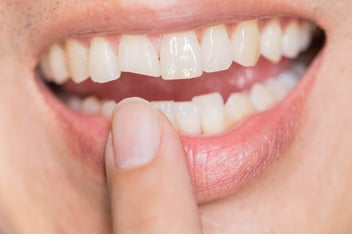
- Cracked or fractured tooth with pain or sensitivity, especially if a piece has broken off
- Dental abscess, visible swelling, a pimple-like bump on the gum, fever, or a foul taste indicating active infection
- Lost crown or filling exposing a damaged tooth, the exposed surface is vulnerable to rapid decay and sensitivity
- Facial or jaw swelling, any swelling that extends beyond the gum line, requires urgent evaluation
If you are unsure whether your situation qualifies, call your dental provider and describe what you are experiencing. An experienced team can help you triage over the phone.
How Do You Know if a Dental Problem Can Wait Until Next Week?
Minor sensitivity to hot or cold that resolves quickly, a small chip with no pain, or a slightly loose temporary crown without discomfort can wait a few days for a scheduled appointment. The distinguishing factor is trajectory: is the situation stable, or is it getting worse?
Any problem that is intensifying, spreading, or accompanied by swelling or fever should not wait. A situation that feels manageable today can shift quickly once infection is involved.
Emergency Room vs Emergency Dentist: Where Should You Go?
For dental pain or a broken tooth, an emergency dentist is always the better first call. Emergency rooms are not equipped to perform dental procedures; they can prescribe antibiotics and pain relief, but they cannot treat the source of the problem. A patient who visits the ER for a dental abscess still needs to see a dentist the next morning. The ER visit managed the symptoms; it did not resolve the emergency.
The one exception is facial swelling that is spreading toward the throat, neck, or eye, or any situation involving difficulty breathing or swallowing. These are signs that an infection may be spreading to dangerous areas and require hospital-level care immediately.
Which Dental Problems Become Emergencies Most Often Because People Wait Too Long?
The pattern is consistent. These are the situations we see most often that started as manageable and escalated unnecessarily:
- A cracked tooth that was sensitive but painless, left untreated until it fractured completely during a meal.
- A cavity that was noted on an X-ray and deferred, reaching the nerve and requiring a root canal, which a filling would have prevented.
- A loose old crown that fell off, with the underlying tooth left exposed for weeks until decay set in.
- An abscess was noticed but not acted on until facial swelling required emergency intervention.
In each case, the window for a simpler solution was open and passed. The emergency was not inevitable; it was the result of delay.
How Clove Dental Handles Dental Emergencies in Beverly Hills
At Clove Dental, we prioritize same-day appointments for patients experiencing dental emergencies. Our first goal is always to relieve pain and stabilize the situation, then we address the underlying cause with a treatment plan that gives the tooth the best possible long-term outcome.
For patients seeking a trusted emergency dentist in Beverly Hills, being an established patient with Clove Dental means we already know your dental history when urgency strikes, which means faster, more accurate care from the moment you call.

Conclusion
Dental emergencies are unpredictable, but being unprepared for them is a choice. Knowing what qualifies as an emergency, understanding why delay makes things worse, and having a reliable emergency dentist in Beverly Hills already in your corner changes the outcome significantly.
At Clove Dental, we are here when it matters most. Do not wait for a manageable situation to become a serious one. Visit clovedds.com to become a patient and know exactly who to call when you need us.
FAQs
What should I do if a tooth gets knocked out?
Handle the tooth by the crown, not the root. Rinse it gently with water without scrubbing, and try to reinsert it into the socket if possible. If that is not feasible, keep it moist in milk or between your cheek and gum and call an emergency dentist immediately. Time is critical; the best outcomes occur within 30 to 60 minutes of the injury.
Can a dental abscess go away on its own?
No. A dental abscess will not resolve without treatment. Antibiotics may help to temporarily decrease infection but they are not a cure for the source of the infection. The infection will not be cured until the dentist has treated the underlying tooth or tissue problem to eradicate it and prevent further infection and dissemination.
Is a broken tooth always a dental emergency?
This depends on what the break is, and if there is pain or not. You can wait for a scheduled appointment for a small chip with no sensitivity. Any break which exposes the inner tooth, or causes sharp pain or a significant portion of the tooth should be evaluated immediately.
How can I manage dental pain until I can see an emergency dentist?
Temporary pain relief can be achieved with over-the-counter medications, like ibuprofen or acetaminophen. A cold compress to the outside of the face may help to decrease swelling.
.jpg?width=352&name=image(15).jpg)