.png?width=80&height=80&name=Clove%20Dental%20White%20Small%20(28).png "Clove Dental White Small (28)")
The most frequently suggested 5 solutions to teeth replacement are dental implants, fixed bridges, partial dentures, full dentures and resin-bonded bridges (also known as Maryland bridges). Each suits different situations depending on bone health, the number of missing teeth, budget and how much the patient wants to preserve neighboring teeth.
Key Takeaways
- A missing tooth affects more than appearance, since the surrounding bone and teeth respond to the gap over time.
- There is no one "best" tooth replacement option; the one that is best will depend on the health of the bone, budget, and number of missing teeth.
- The five main options are dental implants, fixed bridges, partial dentures, full dentures and resin-bonded bridges, each suited to different situations.
- Waiting too long to replace a missing tooth can reduce bone volume and limit which replacement options remain available later.
Lost a tooth and not sure what your actual options are? Most people assume there's one standard answer but tooth replacement isn't one-size-fits-all. What works well for one patient's bone density, budget and number of missing teeth might not be the right fit for someone else's situation entirely.
At Clove Dental, we walk patients through all the realistic options rather than defaulting to whichever one is most commonly recommended elsewhere. Here's an honest look at the five main tooth replacement options a dentist in Santa Monica considers and how to think about which one might fit your situation.

Why Replacing a Missing Tooth Is More Than a Cosmetic Decision
A gap from a missing tooth does more than affect how your smile looks. The jawbone beneath that gap begins to lose density over time, since it no longer receives the stimulation a tooth root would normally provide. Neighboring teeth can gradually shift toward the open space and the tooth above or below the gap may shift out of position as well, since it no longer has anything to bite against.
These changes happen gradually and without pain which is why replacing a missing tooth is generally considered a functional decision as much as an aesthetic one.
Why Dentists Don't Recommend the Same Tooth Replacement for Everyone
The right replacement option depends on several factors specific to each patient. The amount of bone and density at the location of the missing tooth is important, as it can affect the ability of some options to hold in place. The number of missing teeth, whether it's one tooth or several, also changes which solutions make sense.
Budget, the condition of neighboring teeth and how much a patient is willing to commit to a longer treatment timeline all factor into the recommendation as well. A good dentist walks through these considerations individually rather than offering the same suggestion to every patient who walks through the door.
The Five Tooth Replacement Options And Who They're Best Suited For
Dental implants replace both the visible tooth and the root with a titanium post placed in the jawbone. They're well suited for patients with adequate bone density who want the most natural-functioning, long-term solution and who are comfortable with a treatment timeline that spans several months.
Fixed bridges have a tooth in the gap held in place by the teeth on either side of the gap. They are good for the patient who has one or a few missing teeth in a row, especially if the adjacent teeth also require crowns for some other reason.
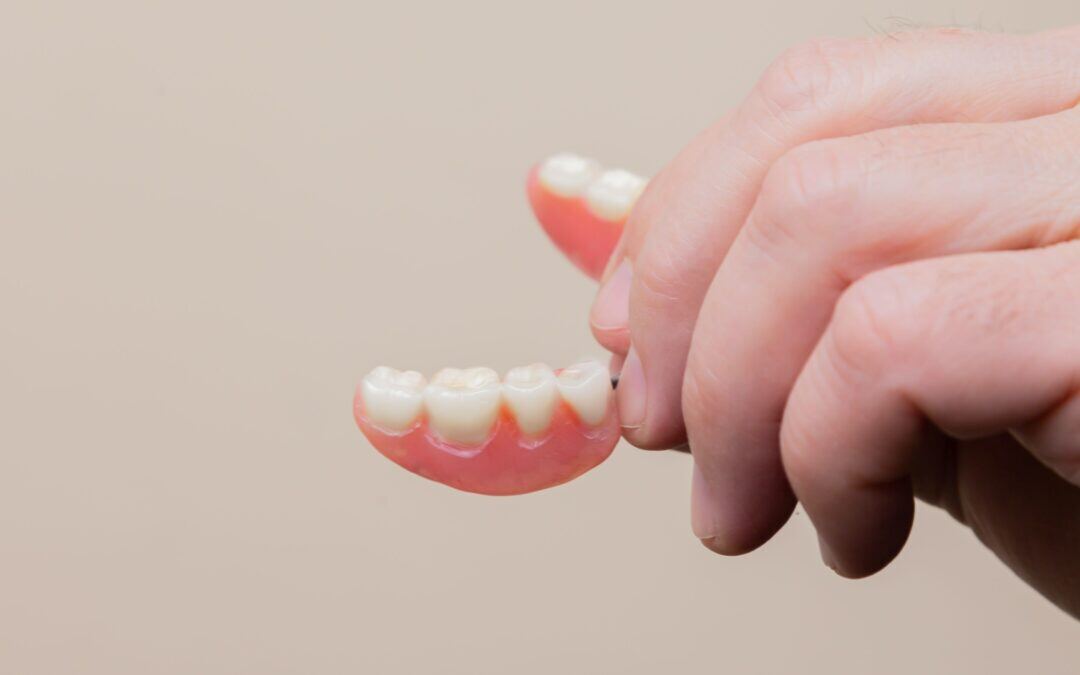
Partial dentures are teeth that you can take out, which fit up on to other natural teeth. They are a good solution for the patient who is missing multiple teeth and does not want to spend as much money on a fixed solution but will have to place them more often than fixed ones.
A full denture is used to replace the full arch of teeth and sits on the gums, but can be reinforced with a few implants for security. They're recommended for patients who have lost most or all of their teeth in an arch.
The resin-bonded bridge, or Maryland bridge, is a type that bonds a replacement tooth onto the back of adjacent teeth, which are not necessarily altered.
Which Option Lasts the Longest and Which Requires the Least Maintenance?
With proper care, dental implants will last the longest of the 5 options, for decades, as the titanium post will not need to be removed after it has been fused with the bone.
A fixed bridge should last for 10-15 years before it must be replaced, and removable bridges, such as partial dentures and full dentures, will require an adjustment or replacement more frequently as the shape of the bone and gum tissue below them change over time.
Why Waiting to Replace a Missing Tooth Can Limit Your Future Options
The longer a tooth is missing, the more bone density will decrease at the site of the empty space. This is important because many alternatives to a missing tooth such as dental implants rely on sufficient bone volume to secure the implant.
If a person waits a few years to replace his or her missing tooth, the implant may be easier for him or her later on, but it will take a bone graft first to restore a sufficient volume. The sooner it is treated the more choices are available and the treatment will be simpler.
What's the Best Tooth Replacement Option for You?
There's no universal answer but a few questions help narrow it down. How many teeth are missing, and where? What does your bone density look like at the site? What's your budget and how much are you willing to commit to a longer treatment process versus a faster, more removable solution?
A dentist in Santa Monica evaluating your specific situation, including imaging of your bone structure and a discussion of your priorities, is in the best position to help you weigh these options against each other realistically.
Conclusion
Replacing a missing tooth isn't a one-size-fits-all decision. Implants, bridges, partial dentures, full dentures and resin-bonded bridges each serve different situations and the right choice depends on your specific bone health, budget and how many teeth need replacing.
At Clove Dental, we walk through all five options honestly so you can make an informed decision. Book your consultation with a dentist in Santa Monica at clovedds.com and find out which option actually fits your situation.
FAQs
Are dental implants always the best option for a missing tooth?
Not always. They are the longest-lasting solution but patients need adequate bone density and a willingness to commit to a longer treatment timeline.
How long does it take to get a dental implant?
The full process, from placement to final restoration takes three to six months, depending on healing time and whether any bone grafting is needed beforehand.
Is a removable partial denture a permanent solution?
Partial dentures are a long-term option but generally need periodic adjustment or replacement as the mouth changes shape over time, unlike fixed options such as implants or bridges.
Can I replace just one missing front tooth without altering the teeth next to it?
Yes. A resin-bonded bridge is designed for this situation attaching to the back of neighboring teeth with minimal alteration to those teeth.