.png?width=80&height=80&name=Clove%20Dental%20White%20Small%20(28).png "Clove Dental White Small (28)")
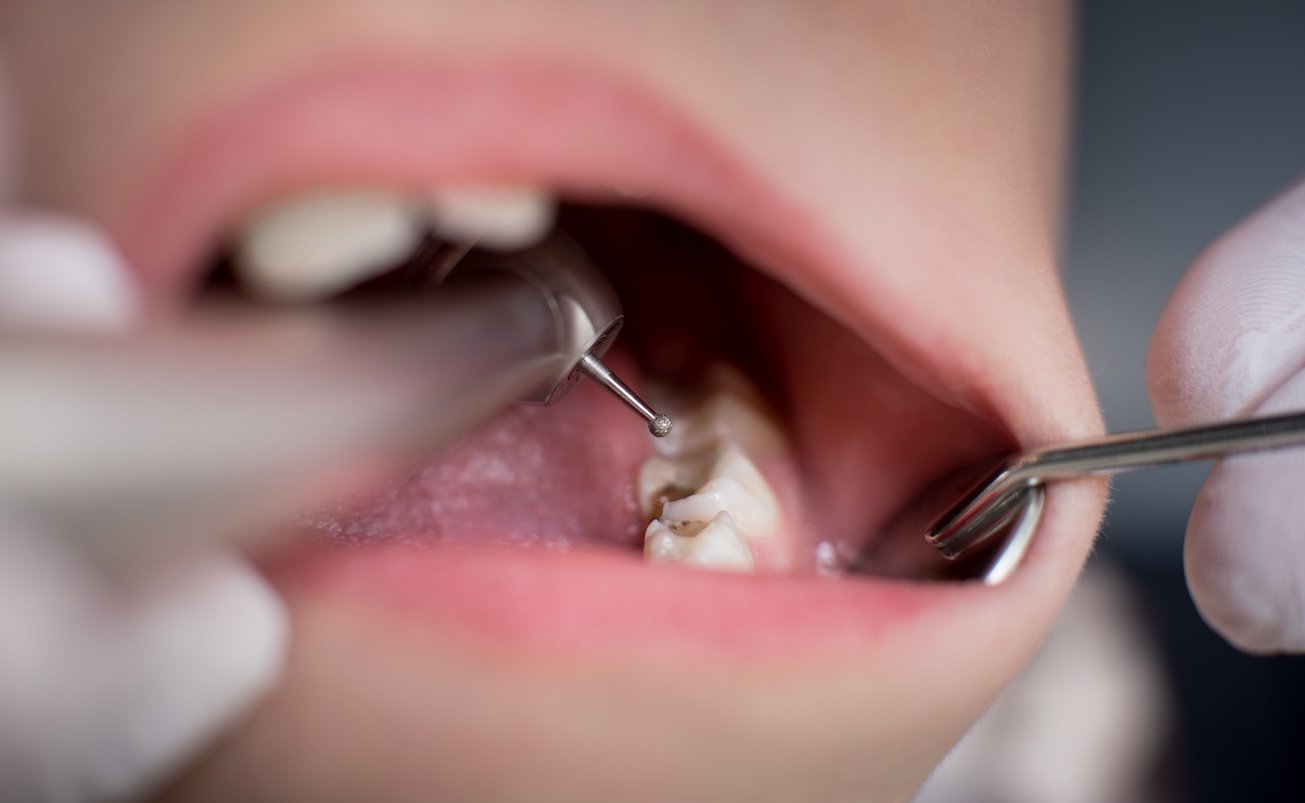
Tooth pain after a filling at Clove Dental is a localized nerve response caused by tissue irritation, an uneven bite, or material sensitivity. Clinical evidence supports defining postoperative hypersensitivity as tooth pain associated with mastication or sensitivity to hot, cold, and sweet stimuli that occurs 1 week or more after restoration [1] (Berkowitz et al., 2013). Mild temperature sensitivity is normal for a few days, but sharp pain when chewing suggests your restoration requires an occlusal adjustment by your dentist.
Galvanic Shock: When Two Different Metals Meet
Medical literature supports that the galvanic cells caused by the release of metal ions can have various oral and systemic effects [2] (Kim, 2023). If you feel a sharp, electrical zap in your mouth, you are not imagining things. This specific type of pain is called galvanic shock. It happens when a new amalgam (silver) filling is placed right next to, or directly opposite, a gold crown or different metal restoration. Your saliva acts as a conductor between these two distinct metals. When they touch as you chew, they create a tiny electrical current. It feels exactly like biting down on a piece of tin foil. In most cases, this sensation goes away on its own over a few weeks as the outside of the new filling naturally oxidizes. If the zapping persists, your dentist can easily swap the metal filling for a tooth-colored composite resin to stop the current.
Understanding Referred Pain: Why Your Jaw or Other Teeth Ache
Clinical evidence indicates that referred pain often complicates and delays the diagnosis of temporomandibular disorders (TMD) [3] (Alketbi et al., 2022). Sometimes, the tooth that just received the filling feels perfectly fine, but the teeth next to it begin to ache. You might even feel a dull tension radiating down your jawline or up into your ear. This symptom is known as referred pain. The nerve pathways in your face and jaw are deeply connected. When drilling and vibration irritate one nerve during a dental procedure, it triggers pain signal pathways. Nearby nerves often pick up these signals and mimic the pain. This means your other teeth are perfectly healthy; they are just reacting to the noise in your nervous system. Referred pain generally fades within one to two weeks as the primary tooth finishes healing.
At-Home Relief While You Wait for Your Appointment
If you notice a high bite or persistent sensitivity on a Friday night, you need a way to manage the discomfort until you can visit Clove Dental. You can take several simple steps right now to calm the irritated nerves. Use a desensitizing toothpaste containing potassium nitrate and brush gently. Avoid very hot coffee or ice-cold drinks, as extreme temperatures stimulate the nerves. Eat a soft food diet like yogurt, eggs, or smoothies to avoid applying too much pressure on your sensitive periodontal ligament. Finally, over-the-counter anti-inflammatory medications like ibuprofen work better than standard pain relievers because they actively reduce the swelling inside the tooth.
Normal Sensitivity vs. A High Bite
Understanding the difference between standard healing and a bite issue can help you know exactly when to call your dentist.
|
Condition |
Primary Symptom |
Resolution Method |
Expected Recovery Time |
Cost & Maintenance |
|
Normal Sensitivity |
Mild ache when drinking cold or hot liquids. |
Time and desensitizing toothpaste. |
2 to 4 weeks. |
Free. No extra visits required. |
|
High Bite |
Sharp, localized pain strictly when biting down or chewing. |
Occlusal adjustment by a dentist. |
Instant relief; soreness fades in 1 to 2 days. |
Usually covered for free by the placing dentist. |
|
Pulpitis (Nerve Inflammation) |
Constant, throbbing pain that wakes you up at night. |
Root canal therapy or medication. |
Varies based on treatment. |
Requires a specialized treatment plan. |
Microleakage and the Bonding Process: Why Cold Drinks Hurt
When your dentist places a tooth-colored composite filling, they use a special blue light to harden the resin. As this resin sets, it shrinks by a tiny fraction of a percent. Modern bonding agents usually prevent any issues, but sometimes this shrinkage creates a microscopic gap between the filling and your natural tooth structure. Dentists call this "microleakage." When you drink something cold, the liquid seeps into this tiny gap and touches the sensitive layer of dentin underneath, causing a sharp ache. If your cold sensitivity gets worse instead of better after a few weeks, your dentist can quickly reseal or replace the bonding to protect the nerve.
Gum Irritation and Rare Material Allergies
Sometimes the pain you feel after a filling is not in the tooth itself, but in the surrounding soft tissue. During your procedure, the dentist often places a tight metal or plastic band around your tooth to hold the filling material in the correct shape. This necessary step can leave your gums feeling bruised, sore, and tender for a few days. Rinsing with warm salt water will speed up your recovery. While very rare, a small percentage of patients experience mild allergic reactions to the specific resins or bonding agents used in composite fillings. This usually presents as localized itching, a rash, or prolonged gum inflammation next to the new filling. If your gums stay red and puffy for more than a week, contact your dental team for an evaluation.
FAQS
1. How long should a tooth hurt after a filling?
Mild temperature sensitivity is normal and can last up to 4 weeks as the nerve settles down. However, sharp pain when chewing is not normal and should be evaluated by your dentist within a few days.
2. Will a high filling eventually wear down on its own?
Modern composite resin and ceramic fillings are highly durable. They will not wear down fast enough to relieve your pain. Waiting for it to fix itself often leads to bruised ligaments or even a fractured tooth.
3. Why does my new filling throb at night?
If your tooth throbs constantly or wakes you up at night, it may indicate nerve inflammation (pulpitis) rather than a high bite. Contact our dental team immediately for an evaluation.
References
[1] Berkowitz, G., Spielman, H., Matthews, A., Vena, D., Craig, R., Curro, F., & Thompson, V. (2013). Postoperative hypersensitivity and its relationship to preparation variables in Class I resin-based composite restorations: findings from the practitioners engaged in applied research and learning (PEARL) Network. Part 1. Compendium of continuing education in dentistry (Jamesburg, N.J. : 1995), 34(3), e44–e52.
[2] Kim S. M. (2023). Oral galvanism related to dental implants. Maxillofacial plastic and reconstructive surgery, 45(1), 36. https://doi.org/10.1186/s40902-023-00403-8
[3] Alketbi, N., & Talaat, W. (2022). Prevalence and characteristics of referred pain in patients diagnosed with temporomandibular disorders according to the Diagnostic Criteria for Temporomandibular Disorders (DC/TMD) in Sharjah, United Arab Emirates. F1000Research, 11, 656. https://doi.org/10.12688/f1000research.109696.2