.png?width=80&height=80&name=Clove%20Dental%20White%20Small%20(28).png "Clove Dental White Small (28)")
.jpg?width=958&height=638&name=image%20(71).jpg)
Key Takeaways
- Brushing alone can’t clean your teeth, where nearly 40 percent of plaque buildup occurs. Flossing, whereas, removes food particles and bacteria from tight spaces that toothbrush bristles cannot reach.
- Flossing on a regular basis is significant to prevent gum disease, as plaque trapped is the main cause of gingivitis and early stage periodontal problems.
- Also, flossing plays an important role in cavity protection, specifically interdental cavities that form silently between teeth. These are often detected only during dental X-rays.
- It supports long-term oral health and reduces bacterial load, lowering the risk of systemic inflammation linked to heart disease and diabetes.
Do you really need to floss if you already brush twice a day?
Yes, because brushing alone cleans only about 60% of your tooth surfaces. Flossing reaches tight spaces where your toothbrush bristles cannot reach.
Understanding why flossing is important, even with regular brushing, can help prevent cavities, gum disease, and dental issues. This blog explains the science, benefits, and practical reasons why flossing is an essential part of your daily oral routine.
Why Flossing Is Important for Complete Oral Hygiene?
Brushing twice a day is essential but it is half the job. Toothbrushes are designed to clean the front, back and the chewing surfaces of teeth. However, around 40 percent of tooth surface lies between teeth. This is where plaque buildup is most aggressive.
This is exactly why flossing is important! It disrupts plaque colonies before they harden into tartar or trigger gum inflammation. Without flossing, even persistent brushing remains vulnerable to hidden dental problems.
How Plaque Between Teeth Causes Bigger Problems
The Hidden Risk of Interdental Plaque
Plaque that builds up between teeth is harder to see and feel, making it more dangerous. Over time, this plaque releases acids and toxins that irritate gums and weaken enamel.
This explains why flossing is important not just for cleanliness, but for disease prevention.
From Gingivitis to Gum Disease
If interdental plaque isn’t removed daily:
- Gums become red, swollen, and bleed easily
- Gingivitis can progress into periodontitis
- Bone loss may eventually occur around teeth
Flossing daily is one of the simplest ways to stop this progression early.
Why Flossing Is Important Even If You Don’t Have Cavities
Many people skip flossing because they “don’t have cavities.” But cavities aren’t the only concern.
Preventing Interdental Cavities
Cavities are formed between teeth where toothbrushes can’t reach. Dentists frequently find these cavities during X-rays, not because patients don’t brush but because they don’t floss.
Reducing Chronic Bad Breath
When food particles get trapped between teeth, it breaks down and release sulfur compounds, leading to persistent bad breath. This is another reason why flossing is important for daily confidence and social comfort.
The Link Between Flossing and Overall Health
According to research, it is shown that oral health is directly connected to overall health. Gum inflammation caused by plaque bacteria is linked to
- Diabetes complications,
- Cardiovascular disease, and
- Increased inflammation in the body
Flossing daily assists in reducing bacterial load in the mouth. It not only promotes dental health but also contributes to overall systemic well-being. This wider benefit underscores why flossing is important beyond just cosmetic reasons.
Common Flossing Mistakes and How They Can Be Fixed
Many people floss but they do it incorrectly. To truly get benefit of it, technique matters.
Common mistakes
- Snapping floss harshly into gums.
- Skipping back teeth.
- Reusing the same section of floss
Correct technique
- Use a fresh section of floss for each tooth
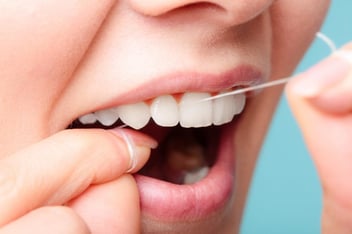
- Gently curve floss into a “C” shape around the tooth.
- Slide it under the gumline without force.
Our team at Clove Dental often guides patients on proper flossing during routine check-ups. This is how we ensure that habits are turned into real results.
Why Flossing Is Important Alongside Professional Dental Care?
Even with optimum home care, professional cleanings are essential. Dentists can remove hardened tartar and detect early issues that flossing alone cannot fix.
However, flossing daily:
- Decreases the occurrence of deep cleanings
- Keeps your gums healthier.
- Improves the results of professional dental treatments.

Final Thoughts
Understanding why flossing is important helps shift it from an "optional extra” to a daily essential.
Flossing takes less than 2 minutes, costs a little, and offers great benefits for your teeth, gums, and long-term health. If you are unsure about how to floss or have sensitive gums, a dentist can help you find the best method for you.
If you want personalized guidance on flossing or preventive dental care. Consider booking a consultation with Clove Dental to build a routine that truly protects your smile.
FAQ
Why is flossing important for preventing gum disease?
Flossing is important as it helps clean between your teeth. If you do not floss, germs can build up and cause gum problems. This can start with a little swelling and can get worse if you don’t take care of it.
Can flossing reduce bad breath?
Yes, flossing reduces bad breath by removing food particles and bacteria trapped between teeth that cause odor. Brushing alone cannot eliminate these odor-causing sources.
What are the benefits of using flavored floss?
Flavored floss makes it more fun to floss your teeth every day. This helps keep your teeth and gums healthy. The most important thing is to remember to floss regularly.
How often should you floss for healthy gums?
Floss your teeth every day to keep your gums healthy and get rid of plaque. It is best to do this before you go to bed.