.png?width=80&height=80&name=Clove%20Dental%20White%20Small%20(28).png "Clove Dental White Small (28)")
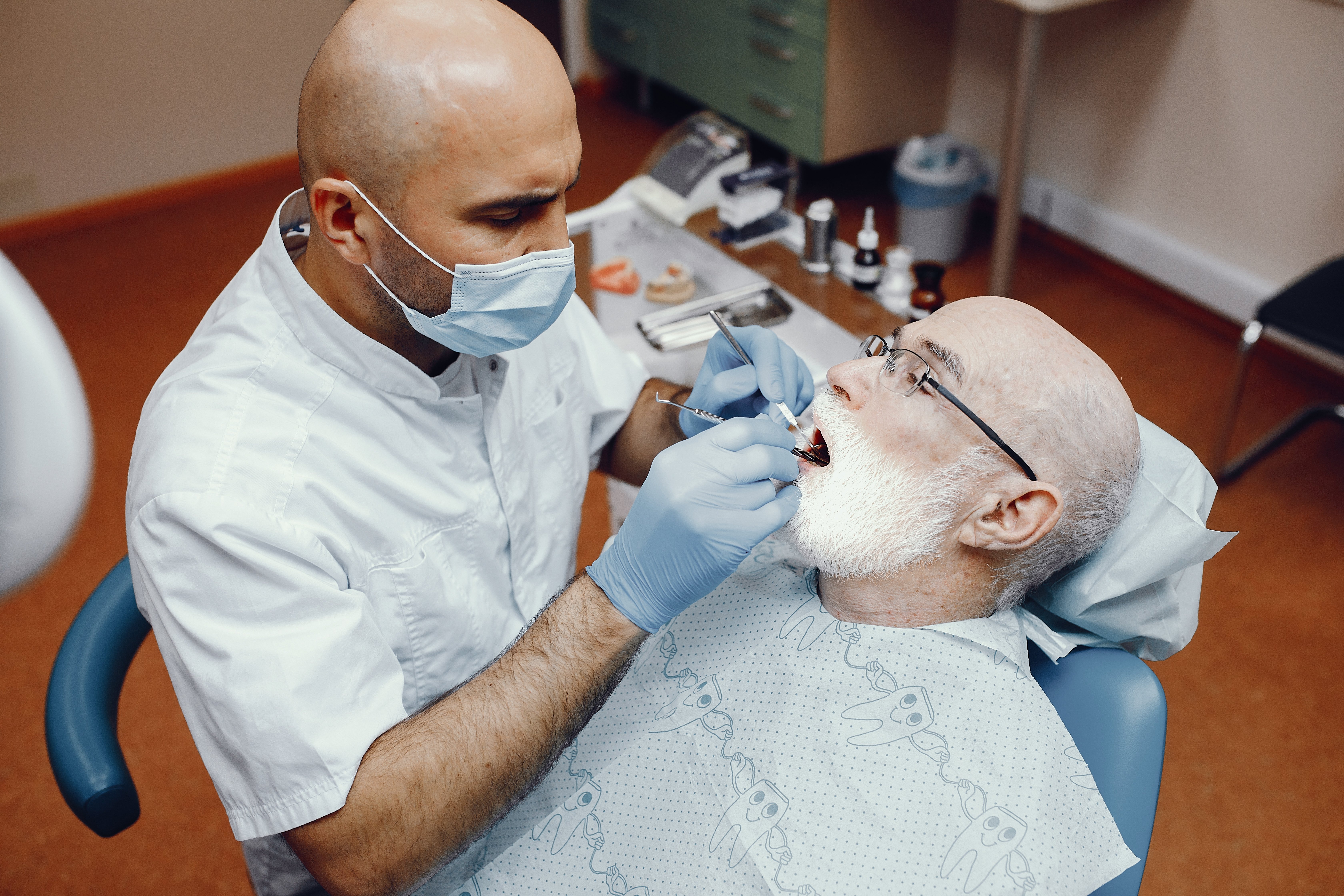
The first 24 to 48 hours after wisdom teeth removal involve swelling, mild to moderate pain and some bleeding all of which are expected. Swelling peaks around day two or three and then gradually reduces. Eating soft foods, avoiding straws, not smoking and rinsing gently with salt water after the first 24 hours are the core aftercare steps. For wisdom teeth removal in Camarillo, following specific aftercare instructions from your provider reduces both discomfort and complication risk significantly.
Key Takeaways
- The first 24 hours involve normal bleeding, swelling onset and discomfort, these are expected, not signs that something went wrong.
- Swelling peaks on day two or three, which is why recovery often feels harder the day after surgery than it did immediately following the procedure.
- Common recovery mistakes using straws, smoking, rinsing aggressively, overexerting and eating the wrong foods disrupt healing in specific and preventable ways.
- Getting back to comfortable eating and talking is the practical recovery milestone most patients care about and most reach it within a week to ten days.
Does recovery after wisdom teeth removal feel harder than you expected it to be? Most patients are caught off guard not because recovery is unusually bad but because the information they received beforehand was brief and the experience has more phases than they anticipated.
At Clove Dental, wisdom teeth removal in Camarillo comes with detailed aftercare guidance because what you do and don't do in the days following surgery has a direct effect on how quickly and comfortably you heal. Here's what to expect, what to avoid and how to know when something is worth a call to us.
The First 24 Hours After Surgery: What Feels Strange but Is Usually Normal
The immediate post-surgical period is the one most patients brace for and in many ways it's more manageable than they expected. Local anesthetic lasts for several hours after the procedure, which means pain may not become noticeable until mid-afternoon or evening for a morning surgery.
Bleeding in the first few hours is normal and controlled by biting gently on gauze. The blood mixes with saliva, which can make it look like more blood than it actually is. This is a common source of alarm that doesn't indicate a problem. Slight oozing that stains gauze for the first several hours is expected; active, heavy bleeding that doesn't slow with consistent pressure is worth calling about.
Swelling begins in the first few hours and will continue building through the next day. Ice on the cheek during the first 24 hours helps slow that buildup but it won't prevent swelling entirely. This is one of those situations where what you do on the first day shapes how the next few days go.
Why Recovery Feels Worse on Day Two Than It Did on Day One
This surprises nearly every patient who didn't expect it. The anesthetic is long gone, pain medication schedules sometimes slip overnight and swelling reaches its maximum around 48 to 72 hours after surgery. For most people, day two and day three are the hardest days of recovery.
Understanding that this is the normal trajectory not a sign that something went wrong makes a significant difference in how patients experience it. The peak is finite. After day three, swelling and discomfort should begin declining fairly steadily for most patients.
By day four or five, most patients notice a clear improvement. By the end of the first week, many are back to a modified version of their normal routine, eating carefully and managing without prescription pain medication in most cases.

The Recovery Mistakes That Patients Usually Don't Realize They're Making
Most recovery complications aren't the result of bad luck, they're the result of a few specific behaviors that patients engage in without realizing the consequences.
- Using a straw is the most consistently flagged mistake and it's easy to understand why it happens. The suction created by straw use can dislodge the blood clot from the extraction socket.
- Smoking in the days after extraction carries the same risk for the same reason, compounded by the fact that smoking reduces blood flow to healing tissue and impairs the biological repair process.
- Rinsing aggressively in the first 24 hours is another common error. Many patients want to feel clean after surgery and rinse more forcefully than instructed.
- Returning to normal physical activity too quickly is particularly common in younger patients who feel relatively good by day two. Exercise increases blood pressure and heart rate, which can cause the socket to bleed again and slows the healing process.
- Eating the wrong foods particularly anything hard, small or crunchy creates debris that can pack into the healing socket and anything that requires significant chewing forces stress on an area that's trying to heal.
The Goal Isn't Just Healing: It's Getting Back to Eating, Talking, and Smiling Comfortably
Recovery from wisdom teeth removal isn't just about the surgical site closing up, it's about returning to normal function and that happens in stages. Most patients are past the hardest discomfort within a week and back to eating more normally within ten to fourteen days, though fully healed tissue takes several weeks to months depending on the complexity of the extractions.
At Clove Dental, follow-up after wisdom teeth removal in Camarillo is part of how we make sure recovery is progressing as expected and patients aren't managing avoidable complications at home.
FAQs
How long does it take to fully recover from wisdom teeth removal?
Most patients experience significant improvement within a week and return to a modified normal routine. Full soft tissue healing takes several weeks and complete bone remodeling takes months though neither of those later phases involves significant discomfort in most cases.
What is a dry socket and how do I know if I have it?
Dry socket develops when the blood clot protecting the extraction socket is lost or dissolves, exposing the bone beneath. The pain is a deep, persistent ache that begins three to five days after extraction and feels significantly worse than the standard post-surgical discomfort.
Can I brush my teeth after wisdom teeth removal?
Yes. Brush adjacent teeth normally and avoid the extraction sites in the first 24 hours. After that, very gentle brushing near the area is appropriate, along with the prescribed salt water rinse your provider recommends.
When can I eat normal food again?
Most patients are eating soft, easy-to-chew foods within a few days and transition back to a more normal diet within one to two weeks as comfort allows. Hard, crunchy or small foods that could enter the healing socket should be avoided for the first week at minimum.
.jpg?width=352&name=9365(1).jpg)