.png?width=80&height=80&name=Clove%20Dental%20White%20Small%20(28).png "Clove Dental White Small (28)")
Root Canal Treatment in Northridge
Save Your Natural Tooth with Gentle Root Canal Treatment in Northridge
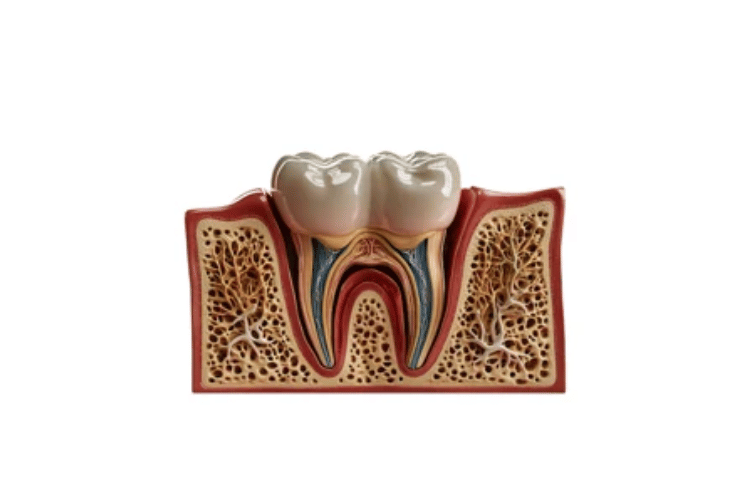
Persistent tooth pain doesn't always mean a tooth needs to be removed. In many cases, root canal treatment can eliminate infection while preserving your natural tooth. At Clove Dental, we provide root canal treatment in Northridge using modern techniques that focus on comfort, precision, and long-term oral health. By treating infection at its source, we can relieve discomfort, restore function, and help you avoid tooth extraction whenever possible.
What Is a Root Canal?
A root canal is a restorative procedure that treats infection inside a tooth. Deep decay, repeated dental procedures, cracks, or trauma can allow bacteria to reach the pulp, where the tooth's nerves and blood vessels are located. During treatment, the infected tissue is removed, the inside of the tooth is thoroughly cleaned and disinfected, and the canals are sealed to help prevent future infection. In many cases, the tooth is then protected with a custom dental crown for added strength.
Signs You May Need a Root Canal
Ignoring an infected tooth can allow the problem to worsen over time. You should schedule an evaluation if you notice any of the following:
- Persistent Tooth Pain: Ongoing pain that doesn't improve may indicate infection inside the tooth.
- Sensitivity to Hot or Cold: Lingering sensitivity after eating or drinking can be a sign of pulp damage.
- Swollen or Tender Gums: Inflammation around a specific tooth may indicate infection beneath the gumline.
- Darkened Tooth Color: A tooth that becomes gray or darker than surrounding teeth may have internal damage.
- Pimple-Like Bump on the Gums: This may be a sign that an abscess has developed near the infected tooth.
If you're experiencing these symptoms, our team will perform a comprehensive examination to determine the best treatment.
What to Expect During Your Root Canal Treatment
Our goal is to make treatment as comfortable and efficient as possible while preserving your natural tooth.
- Diagnosis- Digital X-rays and a clinical examination allow us to evaluate the extent of the infection and determine whether root canal treatment is appropriate.
- Local Anesthesia- The area around the affected tooth is completely numbed to ensure a comfortable experience throughout the procedure.
- Cleaning the Tooth- A small opening is created to remove infected pulp tissue, clean the root canals, and disinfect the inside of the tooth.
- Sealing the Canals- The cleaned canals are filled with a biocompatible material to prevent bacteria from re-entering the tooth.
- Restoring the Tooth- Depending on the amount of remaining tooth structure, the tooth is restored with either a filling or a custom dental crown for long-term protection.
Benefits of Root Canal Treatment
Saving your natural tooth often provides advantages that tooth extraction cannot.
- Relieves Dental Pain: Eliminates the source of infection responsible for discomfort.
- Preserves Your Natural Tooth: Helps maintain your natural bite and chewing function.
- Prevents Infection from Spreading: Removes infected tissue before surrounding teeth or bone become affected.
- Restores Everyday Function: Allows you to bite, chew, and smile comfortably after treatment.
Root Canal Myths: Separating Fact from Fiction
Many patients delay treatment because of outdated misconceptions. Here are a few common myths:
- Myth: Root Canals Are Extremely Painful
Fact: Modern anesthesia and improved techniques make root canal treatment comparable in comfort to receiving a dental filling. - Myth: Removing the Tooth Is Always Better
Fact: Preserving your natural tooth whenever possible usually provides better long-term function and helps prevent additional restorative procedures. - Myth: Root Canals Always Require Several Visits
Fact: Many root canals can be completed in one appointment, although more complex cases may require additional treatment.
Cost of Root Canal Treatment in Northridge
The cost of treatment depends on which tooth requires care and the complexity of the infection.
- Front Teeth- Generally require less complex treatment because they contain fewer root canals.
- Premolars- Treatment complexity varies depending on the number and shape of the canals.
- Molars- Back teeth usually contain multiple canals, making treatment more involved.
If your tooth requires a dental crown following treatment, we'll explain your restoration options and provide a complete estimate before beginning care. Our team also reviews insurance benefits and offers flexible payment options whenever available.
Recovery and Aftercare
Most patients return to normal daily activities shortly after treatment. Following your dentist's instructions helps support proper healing.
- Avoid Chewing on the Treated Tooth: Wait until the final restoration has been placed whenever possible.
- Maintain Excellent Oral Hygiene: Brushing and flossing help protect the treated tooth from future problems.
- Attend Follow-Up Appointments: Completing any recommended restorative treatment is essential for long-term success.
- Manage Temporary Sensitivity: Mild discomfort can often be controlled with medication recommended by your dentist.
If you experience increasing pain, swelling, or unusual symptoms after treatment, contact our office promptly.
Schedule Your Root Canal Consultation in Northridge
Tooth pain rarely improves on its own, and delaying treatment can allow infection to spread further. If you're experiencing persistent discomfort, sensitivity, or swelling, our team at Clove Dental is here to help. Schedule your consultation today to learn whether root canal treatment in Northridge can relieve your pain while preserving your natural tooth.
Frequently Asked Questions
How do I know if I need a root canal instead of a filling?
If decay or infection has reached the pulp inside the tooth, a filling alone is usually not enough. A dental examination and X-rays can determine the appropriate treatment.
Will I need a crown after my root canal?
Many back teeth and teeth with significant structural damage benefit from a dental crown to restore strength and reduce the risk of fracture after root canal treatment.
How long does a root canal procedure take?
Most treatments take between 60 and 90 minutes, although more complex teeth may require additional time or multiple appointments.
Can a root canal fail?
While root canal treatment has a high success rate, reinfection can occasionally occur if bacteria re-enter the tooth or if additional canals require treatment. Regular dental visits help monitor the restored tooth.
Is it normal to have pain after a root canal?
Mild soreness or sensitivity for a few days is common as the surrounding tissues heal. Severe or worsening pain should be evaluated by your dentist.
Can a treated tooth last for many years?
Lorem ipsum dolor sit amet, consectetur adipiscing elit, sed do eiusmod tempor incididunt ut labore et dolore magna aliqua. Ut enim ad minim veniam, quis nostrud exercitation ullamco laboris nisi ut aliquip ex ea commodo consequat.