.png?width=80&height=80&name=Clove%20Dental%20White%20Small%20(28).png "Clove Dental White Small (28)")
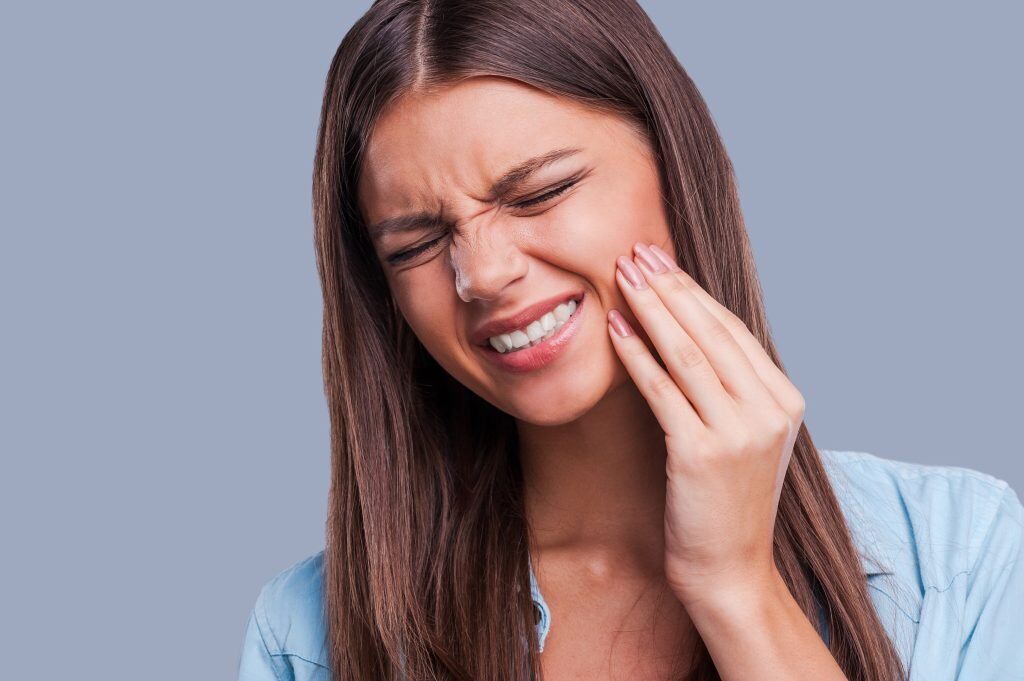
Are you still experiencing tooth pain or swelling after a root canal? These symptoms, along with sensitivity when biting or a small bump on your gums, may mean you have an ongoing infection that needs an apicoectomy. Taking care of yourself after the procedure is important for a quick recovery and to prevent any problems.
Follow your dentist's instructions to help you heal. Keep your mouth clean and attend your follow-up visits. If you feel unusual discomfort while recovering, contact your dentist. At Clove Dental, our experienced team is ready to guide you throughout your healing process.
A Quick Look at Apicoectomy
Before getting an apicoectomy, you should know the basics of recovery. This is a type of surgery that takes out the end of a tooth's root. An apicoectomy is usually done to get rid of the source of pain and bring the affected tooth back to health when inflammation or infection doesn't go away after a root canal.
Why Recovery Is Important
The time after an apicoectomy is very important for the health of your teeth. Getting enough medical care during this time can help prevent problems like infection, too much bleeding (which can be painful in some cases), and long-lasting pain. You can help the healing process and get back to your normal routine without any problems by following the right advice.
The First Few Days After the Procedure
1. Your expectation After Surgery
The time right after your apicoectomy is very important. The area that was treated may swell, feel sore, or be a little uncomfortable at times. Remember that these feelings are normal and will probably go away once you start to heal. Your dentist will tell you exactly what to do after your appointment, but here are some general tips.
Take a break: Rest is important in the days after your surgery. Don't do any hard work that might hurt you or make the swelling worse.
Manage Discomfort: Your dentist may recommend over-the-counter medications to help ease your discomfort. Put a cold compress on the outside of your cheek to help with swelling and numbness.
Follow the Dietary Recommendations: At first, only eat soft foods and stay away from hot, spicy, or crunchy foods. Yogurt, mashed potatoes, and smoothies are all great foods to eat. It's also important to drink enough water, but don't use straws because the suction can break up blood clots.
2. Things to Look Out For That Could Go Wrong
There aren't many problems, so be careful. Please pay attention to the following signs:
Bleeding too much: It's normal to have some bleeding, but if you have ongoing or heavy bleeding, you should see your dentist right away.
Severe Pain: Some pain is to be expected, but if the pain is severe and lasts for a long time, it could be a sign of an infection or other problems.
Fever or Swelling: If you have a high temperature or swelling that lasts for 1 to 2 days, you may need to take action right away.
Continuing Care After the First Few Days
1. Keeping your mouth clean
After an apicoectomy, the importance of keeping your mouth clean stays the same. You need to be careful when you deal with it. Here are some important tips to help you get through "Apicoectomy Recovery."
Gentle Brushing: At first, be careful when you brush your teeth and don't brush near the surgery site. Once you feel comfortable, start brushing your teeth gently, including the other teeth.
Rinse with Care: To help your mouth heal, you should rinse it with a salty solution once a day. Add one teaspoon of salt to warm water and swish it around in your mouth before spitting it out.
2. Follow-Up Visits
It's very important to go to follow-up visits. During these visits, your dentist can check on your healing, look at the surgical site, and make sure everything is working as it should.
Long-Term Care and Healing
Knowing the Healing Timeline
After an apicoectomy, the healing process is different for each patient, but you can usually expect the following:
First Week: The swelling and pain are at their worst, but they usually start to go down by the end of the week. Most patients return to their normal activities within a few days.
Two Weeks: The area where you had surgery should feel better by now. You should be able to live your life without many problems.
One Month: Most patients are happy with the results and say they start feeling normal very quickly.
Making Changes to Your Life for the Best Healing
In addition to what your dentist says, you might want to make the following changes to your life to help you heal faster:
Nutrition Focus: Make sure you keep eating a balanced diet full of vitamins and minerals that help you heal. Citrus fruits are high in Vitamin C and minerals; these fruits boost your immunity.
Stay Hydrated: Drinking enough water is very important for recovery. Make sure to drink lots of water and herbal teas. Try to skip the caffeinated drinks since they can leave you dehydrated.
Don't smoke or drink alcohol: Both of these things can slow down the healing process and make complications more likely. If you smoke, this is a great chance to quit for the sake of your health.
Psychological Parts of Healing
1. Dealing with stress and anxiety
Getting dental work done can make you nervous, and that feeling can last through the recovery period. It's important to remember that mental health is just as important as physical health.
Practices for being mindful: Meditation and deep breathing are two examples of mindfulness exercises that can help you relax and calm your mind.
Support System: Get friends and family members who will be there for you and help you get better. Talking about your feelings can also help with anxiety.
2. Marking small successes
You can move on by celebrating small victories. These victories help you improve. They serve as a reminder to keep moving and make healthy food choices.
When to Get Help from a Professional
Most surgeries go well, but it's important to know when to seek medical help. If pain lasts longer than expected or gets worse, there may still be an issue. Watch for signs of infection, like redness, swelling, or discharge from the surgical site. These signs may mean you need to see a doctor.
Last Thoughts
At Clove Dental, we understand that recovering from an apicoectomy is not easy for patients. However, you can recover well with the right support and mindset. Take care of yourself after surgery, keep your mouth clean, and attend all your follow-up appointments to ensure a quick healing process. If you have any questions or concerns about your recovery or care after surgery, please contact us.