.png?width=80&height=80&name=Clove%20Dental%20White%20Small%20(28).png "Clove Dental White Small (28)")
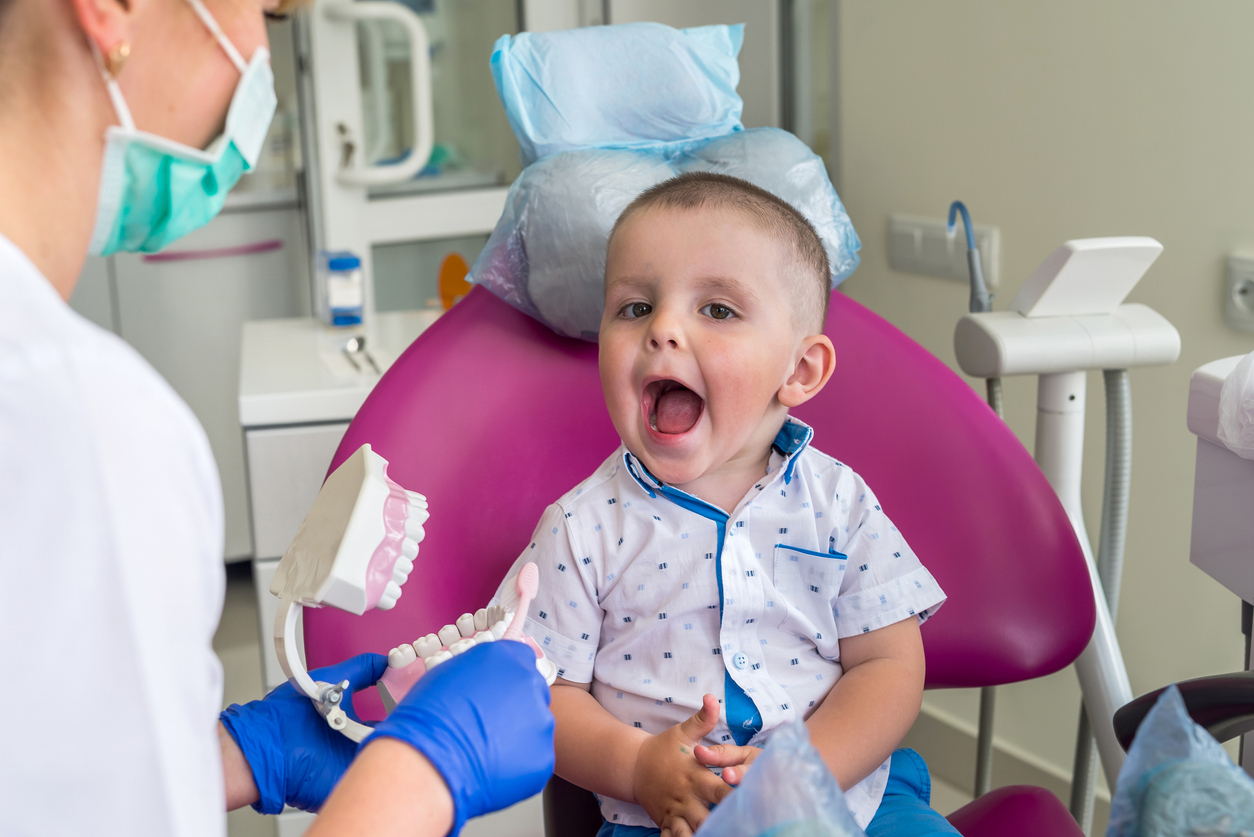 Medical literature supports that teething is a natural process that all infants go through, and most toddlers receive their first tooth around six months [1] (Wuni et al., 2024). Infant teething is a natural developmental process that causes localized gum swelling, mild fussiness, and excessive drooling. It does not cause systemic illness. A baby’s temperature above 100.4°F, severe diarrhea, or a runny nose are signs of a viral or bacterial infection requiring medical attention.
Managing Drool: How to Keep Your Baby’s Skin and Hydration Healthy
If your baby is teething, you will notice a constant stream of drool. Clinical literature indicates that some of the symptoms that have been related to teething in children include fever, diarrhea, general irritability, drooling of saliva, sleep disturbance, and ear infection [2] (Getaneh et al., 2018). This additional saliva is completely normal. It is a natural lubricant that helps the sharp tooth pass through the gum tissue safely. But all that moisture can lead to a red, chapped rash around their chin, neck, and chest. You may mistake this sudden skin irritation for a viral rash or allergy. “Just dab their chin with a soft cloth throughout the day; do not rub hard to protect their sensitive skin.” Apply a safe, petroleum-free barrier cream before naps to lock out moisture. A key distinction for the "Preventive Planner" to watch for is dehydration. If your baby suddenly stops drooling, has dry lips, or produces fewer wet diapers, they might be losing fluids from a stomach bug. That requires immediate medical attention at Clove Dental, not a teething ring.
Night Wakings: Is It Gum Pain or an Ear Infection?
When your baby suddenly wakes up screaming at 2:00 AM, you want to fix the problem fast. Teething pain often flares up at night because your baby lacks daytime distractions to keep their mind off the pressure. Your baby might pull at their ears or rub their cheeks as the dull ache radiates along their jawline. Ear tugging is also a classic sign of an ear infection, which makes diagnosing the issue at home very tricky. Medical evidence indicates that acute otitis media is accompanied by ear pain, fluid drainage, ear tugging, fever, vomiting, and diarrhea [3] (Matz et al., 2026). How do you tell the difference? Look at their overall behavior and physical triggers. A teething baby will usually calm down quickly when you apply firm pressure to their gums or offer a chilled teething ring. A baby with a middle ear infection often cries much harder when you lay them flat on their back, and they almost always have a fever. When in doubt, let your California pediatrician check their ears to be safe.

Comparisons: Evaluating Infant Care Strategies
Understanding the difference between treating a tooth and treating an illness helps the "Family CEO" plan their household budget and time.
|
Care Strategy |
Estimated Cost Impact |
Durability of Relief |
Maintenance Level |
|
At-Home Teething Relief (Cold Rings/Massage) |
Low ($5 - $15 for toys) |
Moderate (Lasts 1 to 2 hours per session) |
High (Requires frequent parent intervention) |
|
Pediatric Medical Visit (For Fever/Illness) |
Moderate (Standard medical copay) |
High (Treats the root viral/bacterial cause) |
Low (Follow doctor instructions and rest) |
|
Infant Dental Exam (Clove Dental) |
Low (Often 100% covered by PPO/Medi-Cal) |
High (Establishes a long-term preventive baseline) |
Low (Biannual visits moving forward) |
Why Your Baby Refuses the Bottle During Eruption
You rely on a predictable feeding schedule to keep your household running smoothly. When your baby pushes the bottle away or refuses to nurse, it easily triggers parental panic. The physical suction required to drink naturally increases blood flow to the mouth and gums. If a new tooth is sitting just below the surface, this extra blood pressure feels very uncomfortable. A brief feeding strike is a common, localized teething symptom. To help them eat, try chilling the bottle nipple in the refrigerator for a few minutes before offering the formula or breast milk. The cold temperature shrinks the blood vessels and numbs the ache so they can feed comfortably. If your baby refuses all liquids for more than 24 hours, or exhibits a fever alongside the feeding strike, they may have a sore throat from a viral illness like strep or hand-foot-and-mouth disease.
When to Call the Pediatrician vs. Clove Dental
Navigating your baby's healthcare team can feel overwhelming. You need to know exactly who to call when confusing symptoms appear. If your baby has a temperature above 100.4°F, a deep chest cough, or ongoing diarrhea, call your pediatrician right away. These are distinct signs of systemic sickness that require a medical doctor. On the other hand, call Clove Dental if you notice physical abnormalities in your baby's mouth. Sometimes, you might see a dark blue or purple bubble on the gums where a tooth is trying to erupt. This is called an eruption cyst. While usually harmless, we want to evaluate it to ensure it does not become infected. You should also book a visit if the new tooth looks yellow or chipped as soon as it appears. We act as your "Expert Friend," guiding you through these early dental milestones so you always feel confident in your care choices.
The First Tooth Has Arrived: Building a Daily Brushing Routine
Once that first sharp edge breaks through the gum tissue, the intense teething pressure naturally fades. Now, your role shifts from pain relief to active protection. As a proactive parent, you must start cleaning that new tooth the very same day it arrives. Do not wait for a full set of teeth to grow in. Plaque bacteria will target a single tooth just as quickly as a mouthful. Twice a day, use a soft silicone finger brush or a tiny, soft-bristled infant toothbrush. Use a very small smear of ADA-accepted fluoride toothpaste no larger than a grain of rice. This simple, daily habit strengthens their fragile new enamel and washes away hidden milk sugars before bed. By establishing this routine early, you set the stage for a lifetime of healthy, stress-free checkups at our California clinic.
FAQs
1. Is teething supposed to cause a fever in infants?
No. While the inflammation of a new tooth can cause a very slight rise in basal body temperature (often called a low-grade elevation, around 99°F), it does not cause a true fever. A temperature of 100.4°F or higher indicates your baby's immune system is fighting an infection.
2. Can I use benzocaine numbing gels on my baby's gums?
Absolutely not. The FDA strongly warns against using over-the-counter topical anesthetics containing benzocaine (like Orajel) for children under two years old. These gels can wash down the throat and cause a rare but life-threatening condition called methemoglobinemia, which reduces oxygen in the blood. Stick to physical pressure and cold teething rings.
3. Does teething cause diarrhea or diaper rash?
No. Teething does not directly affect your baby’s gastrointestinal tract. However, babies who are teething swallow excess saliva, which can sometimes cause slightly looser stools. If your baby has true, frequent diarrhea, they likely have a stomach virus and need to be evaluated by a pediatrician to prevent dehydration.
References
[1] Wuni, A., Iddrisu, M., Angliengmene, A. A., Salia, S. M., Chanayireh, L., Mohammed, I. S., Musah, A., Ibrahim, M. M., Kpentey, A. A., Kwarteng, C., Nyarko, B. A., & Doat, A. R. (2024). Knowledge and management practices of infant teething symptoms among mothers in a tertiary facility in Ghana. The Pan African medical journal, 47, 65. https://doi.org/10.11604/pamj.2024.47.65.40792
[2] Getaneh, A., Derseh, F., Abreha, M., & Yirtaw, T. (2018). Misconceptions and traditional practices towards infant teething symptoms among mothers in Southwest Ethiopia. BMC oral health, 18(1), 159. https://doi.org/10.1186/s12903-018-0619-y
[3] Matz O, Sutton AE, Ashurst JV. Acute Otitis Media. [Updated 2026 Jun 8]. In: StatPearls [Internet]. Treasure Island (FL): StatPearls Publishing; 2026 Jan-. Available from: https://www.ncbi.nlm.nih.gov/books/NBK470332/