.png?width=80&height=80&name=Clove%20Dental%20White%20Small%20(28).png "Clove Dental White Small (28)")
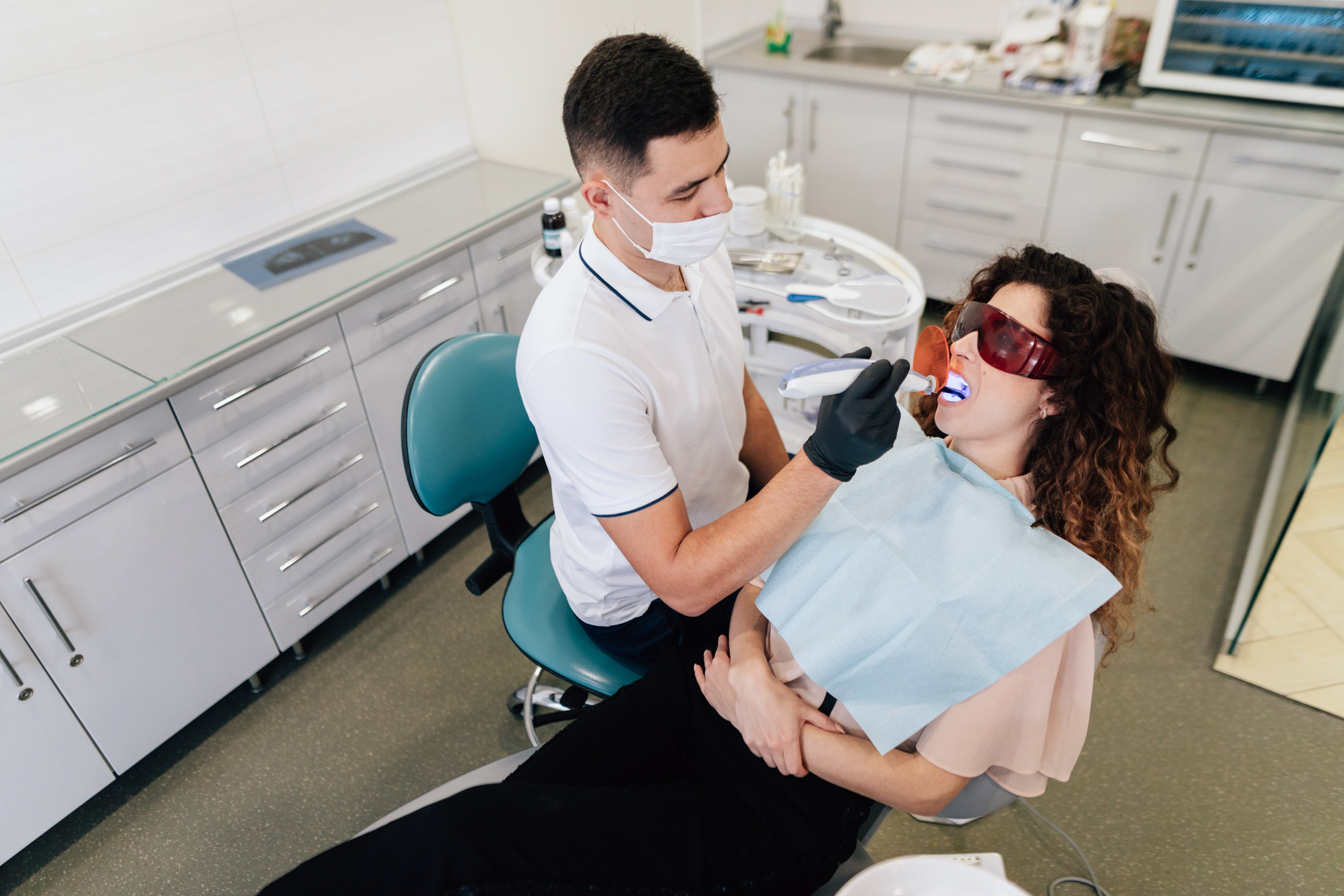 Minimally invasive dentistry is about preserving natural tooth structure as much as possible in a case, it is not the most common treatment. A dentist in Camarillo practicing this way relies on early detection tools digital X-rays, laser caries detection and intraoral cameras to catch problems at their earliest, most treatable stage before a drill is needed at all.
Key Takeaways
- Minimally invasive dentistry is about preserving natural tooth structure as much as possible in a case, it is not the most common treatment.
- Early detection technology allows a dentist in Camarillo to identify decay before it requires drilling, sometimes reversing damage with fluoride and remineralization alone.
- A drill is still the appropriate tool once decay has progressed past the point where conservative treatment can resolve it and using it at that stage isn't a failure of prevention.
- Daily habits like fluoride use, diet and consistent hygiene directly expand how much can be treated minimally before more invasive options become necessary.
Have you ever wondered why some dental visits involve nothing more than a quick fluoride treatment while others end with a filling or worse? The difference usually comes down to timing and to an approach in modern dentistry built specifically around treating problems before they require more aggressive intervention.
Minimally invasive dentistry isn't about avoiding treatment. It's about matching treatment precisely to what a tooth actually needs, removing only what's damaged and using the diagnostic tools available today to catch problems while they're still small. A thoughtful dentist in Camarillo treats this as the standard of care, not an upgrade. Here's what that looks like in practice.

Why the Best Dental Treatment Is Often the One That Removes the Least Tooth Structure
Natural tooth structure cannot be replaced. Enamel doesn't regenerate and every time a restoration is placed, some healthy tissue is removed to accommodate it. The guiding principle of minimally invasive dentistry is straightforward: remove only what's necessary and preserve everything else.
This matters because a tooth's long-term strength depends heavily on how much of its original structure remains. A small filling leaves the tooth close to its natural strength. A large filling weakens it more. A tooth that's lost enough structure to need a crown is structurally different and more vulnerable than one with most of its original enamel and dentin intact.
A dentist in Camarillo practicing minimally invasive care isn't choosing a smaller treatment for its own sake, they're protecting the tooth's long-term durability by intervening as conservatively as the clinical situation allows.
How Dentists Catch Problems Before They Need a Drill
The tools available for early detection have expanded considerably and they're what make minimally invasive treatment possible in the first place.
Digital X-rays identify decay between teeth and beneath existing restorations long before it's visible or symptomatic at a stage where the lesion is still confined to enamel.
Laser caries detection uses fluorescence to identify decay hiding in the deep grooves of molars, areas that are notoriously difficult to evaluate visually, even under direct examination.
Intraoral cameras allow magnified, real-time viewing of tooth surfaces, making it possible to spot early cracks, wear patterns or suspicious areas that wouldn't be visible to the naked eye during a standard exam.
The Shift From "Fixing Teeth" to Preventing Bigger Repairs
Dentistry has moved from a model centered on repairing damage after it occurs to one focused on intercepting it earlier in its progression. This change alters the nature of the typical appointment.
Instead of waiting for a cavity to become symptomatic, routine examinations now look for early signs of demineralization, inflammatory change in the gums and wear due to the bite.
This is a proactive strategy that involves newer ways of practicing dentistry in Camarillo that involve more frequent and trusted appointments than the ones we typically call for when we feel discomfort.
When a Drill Is Still the Best Option and Why That's Not a Failure
Minimally invasive dentistry isn't about avoiding drilling altogether, it's about using it appropriately. Once decay has progressed past the enamel into dentin or a tooth has structural damage requiring repair, conservative non-invasive measures aren't sufficient and treatment that removes the affected tissue is the correct clinical choice.
Choosing a filling, crown or other restorative treatment at this stage isn't a departure from minimally invasive principles, it's the appropriate application of them. The goal was never to eliminate intervention; it's to intervene at the smallest, most conservative level the situation actually allows.
Conclusion
Minimally invasive dentistry is a positive evolution in the diagnosis and treatment of dental issues, focusing on early identification, conservative treatment and long-term maintenance of natural tooth structure. The drill still has its place but increasingly, it's reserved for situations where less invasive options have already been ruled out.
Schedule your next exam with a dentist in Camarillo at Clove Dental and find out how much can be managed conservatively before more involved treatment becomes necessary.
FAQs
Can a cavity really be treated without drilling?
Early-stage demineralization before a physical hole has formed can sometimes be reversed with fluoride treatment and improved hygiene. Once true decay has created a cavity, drilling and a filling are required, since the damaged structure can't regenerate on its own.
Is minimally invasive dentistry more expensive than traditional treatment?
It's generally less expensive, since smaller, earlier interventions cost less than the larger restorations needed once a problem progresses. The investment is in more frequent monitoring and prevention which is offset by avoiding more extensive treatment later.
How often should I see a dentist in Camarillo to take advantage of minimally invasive options?
Most patients benefit from exams every six months which allows for consistent monitoring and early intervention. Patients with elevated cavity risk may benefit from more frequent visits to catch developing issues at the earliest possible stage.
Does minimally invasive dentistry work for everyone?
It's most effective when problems are caught early. Patients with existing extensive decay, fractured teeth or significant restoration failure may still require more involved treatment regardless of approach.
What technology does Clove Dental use to support minimally invasive treatment?
Our dentist in Camarillo team uses digital X-rays, intraoral cameras and other diagnostic tools to identify problems at their earliest stages.