.png?width=80&height=80&name=Clove%20Dental%20White%20Small%20(28).png "Clove Dental White Small (28)")
.jpg?width=626&height=417&name=image(542).jpg)
The American Association of Orthodontists recommends that children have their first orthodontic evaluation around age 7. At this age, an orthodontist in Camarillo can identify bite problems, jaw growth concerns, crowding or developing alignment issues, even if all adult teeth have not yet erupted.
Key Takeaways
- Children don't need all of their adult teeth before seeing an orthodontist.
- Some bite and jaw problems are easier to correct while a child is still growing.
- Straight-looking teeth don't always mean the bite is developing properly.
- The best type of braces depends on your child's dental needs and daily routine.
- Good brushing, healthy eating and regular orthodontic visits help treatment stay on schedule.
Your child's teeth seem to be coming in normally, so why did your family dentist recommend seeing an orthodontist?
It's a question many parents ask. Braces are associated with the teenage years but orthodontic care can begin much earlier. In many cases, the first visit isn't about putting braces on right away. It's about checking how the teeth, jaws and bite are developing while your child is still growing.
Some problems are much easier to manage before they become more noticeable. An early evaluation gives families time to understand what is happening, whether treatment is needed now, or whether it's simply something to monitor over the next few years. Knowing the difference can help parents make informed decisions without feeling rushed.
Why Are More Children Being Referred to an Orthodontist Earlier Than Before?
Years ago, many children weren't evaluated until most of their permanent teeth had erupted. Today, dentists recommend earlier orthodontic consultations because growth provides opportunities that aren't available later.
An orthodontist in Camarillo can monitor-
- Jaw growth
- Bite development
- Tooth eruption patterns
- Crowding
- Crossbites
- Habits such as thumb sucking that affect tooth position
Many children won't need immediate treatment but identifying concerns early often makes future planning much easier.

What Are the First Signs That Your Child May Need Braces: Even If Their Teeth Look Straight?
Parents focus on whether teeth appear crooked. Orthodontists look at much more than appearance.
Early signs may include-
- Difficulty biting or chewing.
- Teeth that overlap as permanent teeth erupt.
- Upper and lower teeth that don't meet correctly.
- Mouth breathing.
- Early or late loss of baby teeth.
- Jaw shifting when closing the mouth.
- Frequent biting of the cheeks.
Sometimes a child with straight front teeth still has a bite problem developing behind them.
Is It Better to Start Braces Now or Wait Until More Adult Teeth Come In?
There's no single age that's right for every child. Some children benefit from Phase One orthodontic treatment while they're still growing. Others simply need periodic monitoring until more permanent teeth appear.
The decision depends on factors such as-
- Jaw development
- Bite problems
- Available space for adult teeth
- Growth patterns
- Overall oral health
An evaluation allows your orthodontist to explain whether treatment now offers an advantage or whether waiting is the better choice.
What Type of Braces Makes the Most Sense for Your Child's Lifestyle?
Children today often have several orthodontic options. Treatment will include:
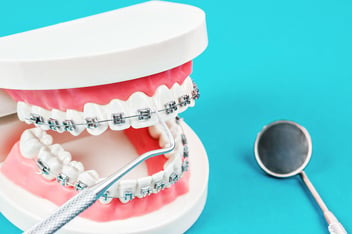
Traditional Metal Braces
Strong, reliable and effective for correcting many orthodontic concerns.
Clear Ceramic Braces
Less obvious option which is more integrated with the teeth.
Clear Aligners
If they can wear them consistently, older kids and teens with suitable cases may be able to get removable clear braces.
Your child's activities, oral hygiene practices, comfort and clinical needs all dictate the approach to treatment that your orthodontist will take.
What Can Parents Expect During the First Six Months of Orthodontic Treatment?
The beginning of treatment is usually an adjustment period. The first few months, parents may detect:
- Ever so slightly sore after adjustments
- Gradual tooth movement
- Increased attention to brushing.
- Additional brush brushing.
- Adaptation of food choices
- Growing confidence as children become comfortable with braces
The orthodontist will know how the braces are working and can adjust them as needed.
What Small Daily Habits Make the Biggest Difference in Braces Results?
Successful orthodontic treatment depends on what happens between appointments.
Adopt good daily routines, which help include-
- Brushing around brackets and wires.
- Flossing daily with orthodontic flossers or threaders.
- Prevention of sticky and hard foods.
- Using rubber bands as directed.
- Scheduling adjustment appointments.
- Retainers after treatment.
Conclusion
Orthodontic treatment isn't just about straightening teeth. It is also about the support in developing the jaw, adjusting the bite and assisting in positioning the permanent teeth. An early consultation doesn't always mean braces are needed immediately but it provides valuable information while your child is still growing.
Our expert orthodontist in Camarillo collaborates with families to understand the entire treatment process, provide answers to any questions you may have and tailor care to your child's specific needs and situation, instead of taking a cookie-cutter approach.
FAQs
At what age should my child first visit an orthodontist?
It is suggested that a first appointment with an orthodontist should be made around 7 years of age. This will help identify early on the developing bite or jaw problems, even though the braces aren't required at the time.
Does every child who sees an orthodontist need braces?
No. Many children simply need periodic monitoring until more permanent teeth erupt. Early visits help determine the right timing for treatment rather than starting braces immediately.
Can my child still play sports while wearing braces?
Yes. Children who play contact sports should wear a properly fitted mouthguard to help protect their teeth, braces and soft tissues during games and practices.
How long do children wear braces?
Treatment varies depending on the complexity of the case but many children wear braces for 18 to 24 months. Your orthodontist in Camarillo will provide a personalized estimate after evaluating your child's teeth and jaw development.