.png?width=80&height=80&name=Clove%20Dental%20White%20Small%20(28).png "Clove Dental White Small (28)")
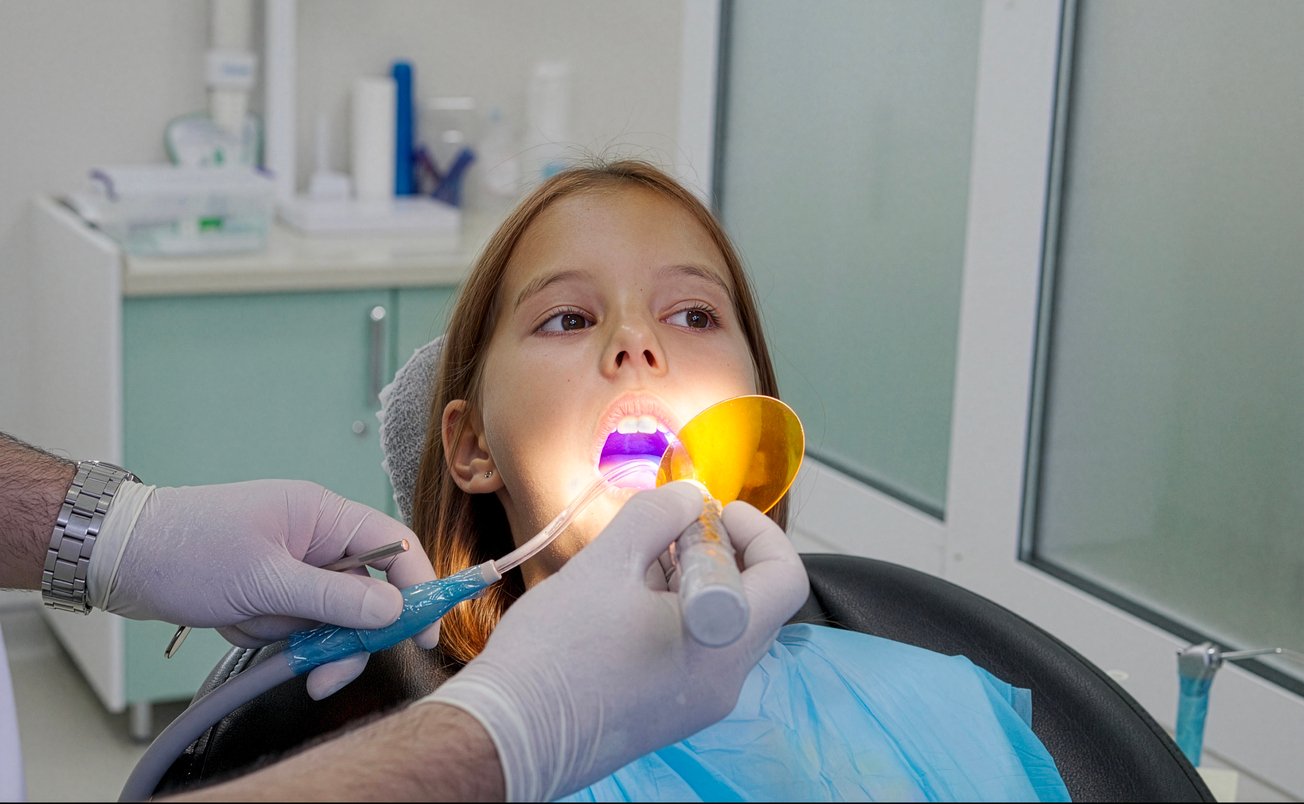
California Denti-Cal and private dental insurance plans cover fillings. This policy framework covers your out-of-pocket expenses for cavity repairs. Denti-Cal typically covers 100% of required amalgam restorations. PPO plans typically pay 80% of composite resin fees after deductibles.
The “Alternative Benefit” Provision: Upgrading to White Fillings
Insurance policies are often written in complicated language to limit payouts. One of the most common hurdles with private plans is the “Least Expensive Alternative Treatment” (LEAT) clause. Clinical literature supports that LEAT is a benefit-determination measure tied to reimbursement methodology, not a clinical determination of diagnosis, necessity, or appropriateness of care [1] (Understanding Alternative Benefits in Daily Practice, 2026). If you have a cavity on a back molar, you probably want a tooth colored composite filling that looks natural. However, your insurance provider might base their 80% coverage on the price of a cheaper silver amalgam filling. You are never forced to accept a metal filling. Our team at Clove Dental simply applies the insurance payment toward your composite filling. You pay the minor difference out of pocket. This small, planned investment gives you the durable, flawless smile you deserve without any billing surprises.
Combining Denti-Cal and Private PPOs (Dual Coverage)
Many California families carry dual dental coverage. You might have Denti-Cal for your children while carrying a private PPO plan through your employer. If you have both, figuring out which insurance pays first can feel overwhelming. This process is called "Coordination of Benefits." We handle this administrative puzzle for you. By law, your private PPO plan acts as the primary payer for your filings. Once the private PPO pays its portion, our billing experts submit the remaining balance to Denti-Cal as your secondary insurance. This dual-filing strategy legally maximizes your benefits, often dropping your out-of-pocket costs to zero. You get to focus on your family's health, and we handle the paperwork. Additionally, medical evidence indicates that dual-eligible beneficiaries had higher odds of having dental coverage compared with non-dual-eligible beneficiaries [2] (Weatherspoon et al., 2024).

Comparisons: Denti-Cal PPO Restorations
Understanding how your specific plan pays for materials helps you make the smartest choice for your long-term health.
|
Restoration Scenario |
Estimated Patient Cost |
Durability of Material |
Maintenance Level |
|
Denti-Cal Amalgam (Back Tooth) |
$0 (Fully Covered) |
10–15 Years |
Low (Standard daily brushing) |
|
Denti-Cal Composite (Front Tooth) |
$0 (Fully Covered) |
5–10 Years |
Low (Avoid biting hard objects) |
|
PPO Composite |
20% Copay (Approx. 30– 60) |
5–10 Years |
Low (Standard daily brushing) |
|
Cash-Pay Composite (No Insurance) |
150–250 |
5–10 Years |
Low (Standard daily brushing) |
Managing Your Annual Limits for Restorative Care
Every time you use your insurance for a filling, it subtracts from your yearly allowance. Most plans have an annual maximum between $1,500 and $2,000. Denti-Cal also places an $1,800 annual soft cap on non-emergency adult services. If your exam reveals you need four or five fillings, you might worry about running out of funds before your treatment is finished. We protect your budget using a strategy called "Treatment Sequencing." We prioritize your active, painful cavities today to stop the infection and utilize your current year's benefits. If you have early-stage, stable decay on other teeth, we safely monitor those spots and schedule the remaining fillings for January. When the new year starts, your insurance funds reset, allowing you to finish your care with a brand-new pool of money.
Beating the Waiting Period for Sudden Cavity Pain
Starting a new job often means enrolling in a new dental plan. If a severe toothache strikes during your first month of coverage, you might run into a frustrating roadblock. Some private PPO policies enforce a six-month "waiting period" before they will pay their 80% share for basic restorative care like fillings. You do not have to sit in pain while you wait for the calendar to turn. When you visit Clove Dental, our front desk instantly verifies your waiting period status. If your filling benefits are temporarily blocked, we utilize "palliative care" billing codes. These emergency diagnostic codes usually have zero waiting periods. They allow our doctors to legally and affordably medicate the tooth, stopping your pain immediately until your full restorative benefits activate.
FAQs
1. How much does a dental filling cost with Private Dental insurance in California?
If you have met your annual deductible, a standard PPO plan typically covers 80% of a filling. For a composite filling with an in-network contracted rate of $200, it pays $160, leaving you with an estimated out-of-pocket cost of just $40.
2. Does Denti-Cal cover tooth-colored composite fillings on back molars?
Under standard Medi-Cal Dental guidelines, white composite fillings are strictly covered for anterior (front) teeth. For posterior (back) molars, the program covers highly durable silver amalgam fillings. If you want a white filling on a back tooth while on Denti-Cal, you will need to pay the private, out-of-pocket fee for that specific tooth.
3. Can I use my FSA or HSA to pay my Denti-Cal filling copay?
Yes. Any out-of-pocket copay or deductible remaining after your Denti-Cal insurance processes the claim is a qualified medical expense. You can swipe your pre-tax Health Savings Account (HSA) or Flexible Spending Account (FSA) card directly at our front desk to cover the balance.
References
[1] Understanding alternative benefits in daily practice. (2026). Uhcdental.Com. https://www.uhcdental.com/dental/united-healthcare-dental-news/article-understanding-alternative-benefits.html
[2] Weatherspoon, D. J., Hutfless, S., Manski, R. J., & Moeller, J. F. (2024). Disparities in Enrollment in Medicare Advantage Plans With Dental Benefits. JAMA network open, 7(2), e2356095. https://doi.org/10.1001/jamanetworkopen.2023.56095