.png?width=80&height=80&name=Clove%20Dental%20White%20Small%20(28).png "Clove Dental White Small (28)")
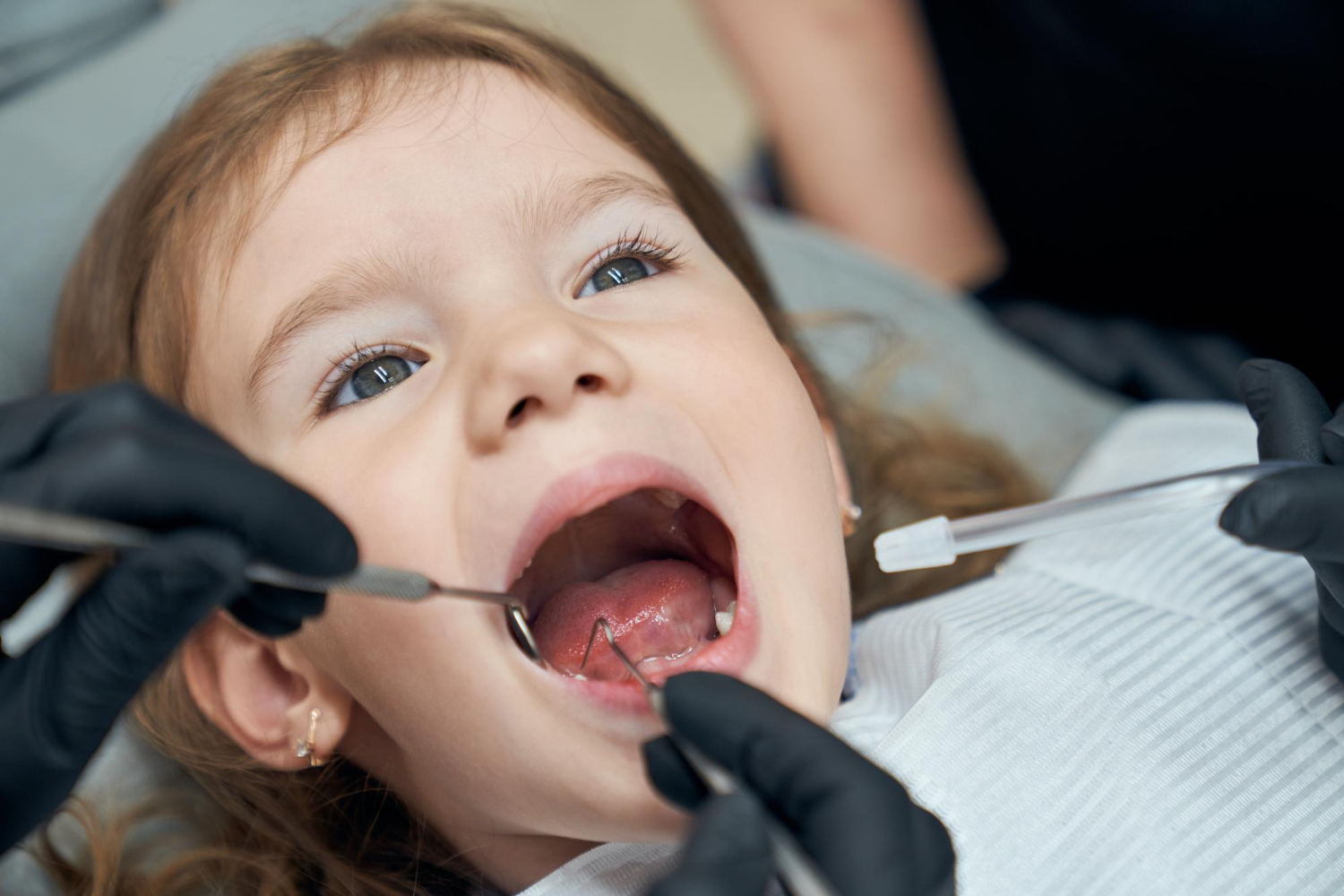
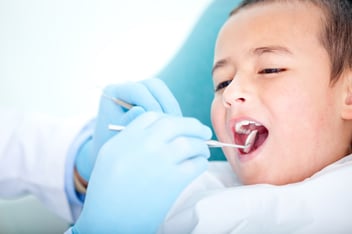
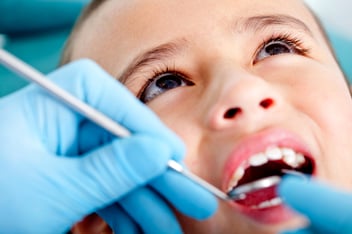
Most dentists recommend a child's first visit around age one or within six months of the first tooth appearing. Starting pediatric dentistry in Santa Monica early helps catch issues while they are small and builds comfort with dental visits before anxiety has a chance to form.
Key Takeaways
- Dental care should start well before a child has an obvious problem.
- A child's mouth changes fast and care needs to keep pace with it.
- Some early warning signs are easy for parents to overlook.
- Baby teeth falling out doesn't mean cavities in them don't matter.
- The long-term goal is a child who can care for their own teeth confidently.
At what age does a child need to start seeing a dentist? Earlier than most parents expect. Waiting until a child has a visible cavity or complains of pain means care is starting after a problem has already formed, not before. Pediatric dentistry in Santa Monica is built around getting ahead of issues, not just responding to them.
We treat children from their very first tooth through their teenage years and the approach looks different at every stage. Here's what that actually involves and why starting early makes such a difference.
Children's Dental Care Starts Before There's a Dental Problem
The first dental visit isn't really about treatment. It's about establishing a baseline, getting a child comfortable with the environment and catching small issues, like early enamel changes or bite concerns before they become bigger ones. Most dentists recommend this first visit around age one.
Starting this early also does something less obvious but just as important: it builds familiarity. A child who's been coming in since their first tooth tends to have far less anxiety at age seven than a child whose first visit happens because something already hurts.
A Child's Mouth Changes Constantly, So Dental Care Has to Change With It
A toddler's dental needs look nothing like a ten-year-old's, and a ten-year-old's needs look nothing like a teenager's. Baby teeth, the transition to permanent teeth, jaw growth and eventually orthodontic evaluation all happen within roughly a decade. Pediatric dentistry in Santa Monica is designed to track a child through all of it, rather than treating each stage as a separate, unrelated visit.
This continuity matters. A dentist who's followed a child's mouth from their first molar through their permanent teeth coming in can spot patterns, like crowding or a developing bite issue, much earlier than someone seeing that child for the first time.
What Parents Miss When They Look Inside Their Child's Mouth
A few early signs are easy to overlook without dental training-
- White spots near the gumline which can be an early sign of enamel demineralization.
- A child consistently breathing through their mouth, especially during sleep.
- Uneven wear on baby teeth.
- Gaps closing unusually fast or slow compared to typical timelines.
- A child avoiding chewing on one side of their mouth.
None of these are cause for panic but they're worth mentioning at a routine visit rather than waiting to see if they resolve on their own.

Why "Baby Teeth Fall Out Anyway" Is a Risky Assumption
It's a common assumption and an understandable one but it overlooks what baby teeth are actually doing while they're still in place. Baby teeth hold space for permanent teeth, support chewing and speech development, and a cavity left untreated in a baby tooth can still cause pain or infection that spreads to surrounding tissue.
Losing a baby tooth too early, whether from decay or injury can also allow neighboring teeth to shift into that space, creating crowding issues for the permanent tooth trying to come in later. Treating baby teeth as disposable tends to create problems that show up well after the tooth itself is gone.
When a Child Needs More Than a Routine Dental Visit
Some situations call for more than a standard cleaning-
- A cavity that's progressed close to the nerve.
- A knocked-out or seriously injured tooth from a fall or sports accident.
- Persistent thumb-sucking affecting bite alignment.
- Visible crowding as permanent teeth begin coming in.
In these cases, pediatric dentistry in Santa Monica involves monitoring or a referral within the same practice to orthodontics or oral surgery.
The Goal Isn't Just Healthy Baby Teeth. It's a Child Who Knows How to Care for Their Own Smile.
Every cleaning and checkup is also a chance to teach a child how to brush properly, why flossing matters and what to expect as their teeth change. That habit-building matters as much as the clinical care itself, since it's what carries a child into adulthood with confidence around their own oral health.
That's the real long-term goal behind pediatric dentistry in Santa Monica: not just a cavity-free checkup today but a child who understands their own mouth well enough to keep taking care of it long after they've outgrown the pediatric side of the practice.
Conclusion
Children's dental care works best when it starts early and grows with the child, rather than reacting to problems after they've already formed. From that first tooth through the teenage years, consistent care builds both healthier smiles and kids who aren't afraid of the dentist. If it's time for your child's next visit, our team at Clove Dental in Santa Monica is ready to make it a comfortable one.
FAQs
When should my child's first dental visit happen?
Most dentists recommend a first visit around age one or within six months of the first tooth coming in.
Do cavities in baby teeth really need to be treated?
Yes. Untreated cavities in baby teeth can cause pain, infection and crowding issues for permanent teeth later.
What if my child is anxious about dental visits?
Starting care early and keeping visits routine tends to reduce anxiety significantly over time.
Does Clove Dental handle orthodontic concerns for kids too?
Yes, orthodontic evaluation and treatment are available within the same practice as routine pediatric care.
How often should children have dental checkups?
Most children benefit from a checkup and cleaning every six months, similar to adults.

.jpg?width=352&name=image(369).jpg)