.png?width=80&height=80&name=Clove%20Dental%20White%20Small%20(28).png "Clove Dental White Small (28)")
.jpg?width=626&height=417&name=image(1594).jpg)
A dentist most commonly treats cavities, gum disease, tooth sensitivity, oral infections, and, less often, early signs of oral cancer. Most of these share the same root causes: inconsistent brushing and flossing, a diet heavy in sugar or acid, and skipped checkups. Catching them early keeps treatment simple.
Key Takeaways
- Cavities form when bacteria produce acids, that wear down enamel over time.
- Gum disease starts as gingivitis and can progress to bone, it may lead to tooth loss if ignored.
- Tooth sensitivity usually means enamel has worn thin exposing the nerve underneath.
- Oral infections often trace back to untreated cavities or gum disease left too long.
- Oral cancer screenings are a routine part of checkups, not something you have to ask for.
- A dentist in Oxnard can catch most of these issues early, when treatment is simplest.
Most dental problems don't show up overnight. They build slowly, through habits, missed checkups, or small issues nobody got around to fixing. The good news is that the five most common problems a dentist in Oxnard treats are almost all preventable with fairly basic changes. Here's what actually causes each one and what keeps it from becoming a bigger issue.
What causes cavities, really?
Bacteria in your mouth feed on sugar and produce acid as a byproduct. That acid wears down enamel over time, and eventually you've got a cavity. Poor brushing habits, a diet heavy in sugary or acidic foods, and skipping dental visits all speed this process up. Some common suggestion is given by a dentist in Oxnard include brushing twice daily with fluoride toothpaste, flossing, cutting back on sugar and acid, and getting in for regular cleanings covers most of the prevention here. None of it is complicated. It just has to be consistent.

How does gum disease actually progress?
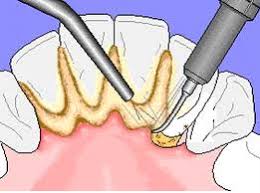
It starts small, as gingivitis, gums that are inflamed and bleed a little more easily than they should. Left alone, it can turn into periodontitis, which is a different animal entirely: gum recession, bone loss, and eventually tooth loss. Thorough brushing and flossing, an antimicrobial mouthwash, and regular cleanings catch this early, before it turns into something harder to reverse. Smoking makes gum disease significantly more likely, so that's worth factoring in too.
Why do some people get sensitive teeth?
Usually it comes down to worn enamel exposing the dentin and nerve endings underneath. Hot, cold, sweet, or acidic foods suddenly hurt in a way they didn't before. A softer toothbrush and gentler technique protect what enamel you have left, and toothpaste made for sensitive teeth can help in the meantime. If sensitivity shows up out of nowhere, it's worth having a dentist in Oxnard rule out something more specific going on underneath.
What causes oral infections?
Bacteria, almost always tied back to poor hygiene, an untreated cavity, or gum disease that's been left alone too long. Abscesses and gum infections aren't just uncomfortable, they can spread if ignored. Good hygiene habits, prompt treatment of cavities and gum issues, and not sharing toothbrushes or utensils go a long way toward preventing this.
Should you actually worry about oral cancer?
It's less common than the other issues on this list but it's serious enough that prevention matters. Avoiding tobacco, limiting alcohol and using lip balm with SPF all reduce risk. Regular screenings, which are typically part of a routine checkup, catch early signs before they become harder to treat. At Clove Dental, oral cancer screening is built into every checkup, not something patients have to request separately.
Conclusion
Most dental problems share the same root causes: inconsistent hygiene, a rough diet, and skipped appointments. A dentist in Oxnard can catch nearly all of these early, when treatment is simple and inexpensive, rather than after they've turned into something bigger. At Clove Dental, we focus on catching these issues before they become painful or costly not just treating them once they show up.
FAQs
How do I know if I have a cavity before it hurts?
Often you won't feel anything until it's progressed. That's why regular checkups matter, a dentist can spot early decay on an X-ray long before you'd notice symptoms.
Can gum disease be reversed?
Gingivitis, the early stage, usually can be reversed with better hygiene and professional cleanings. Periodontitis, the more advanced stage, can be managed but not fully undone.
Why did my teeth suddenly become sensitive?
Worn enamel, gum recession or an underlying issue like a cavity or cracked tooth are common causes. It's worth having a dentist check it rather than just switching toothpaste and hoping it resolves.
How often should I see a dentist in Oxnard for a checkup?
Twice a year is standard for most people though some patients benefit from more frequent visits, depending on their risk factors.