.png?width=80&height=80&name=Clove%20Dental%20White%20Small%20(28).png "Clove Dental White Small (28)")
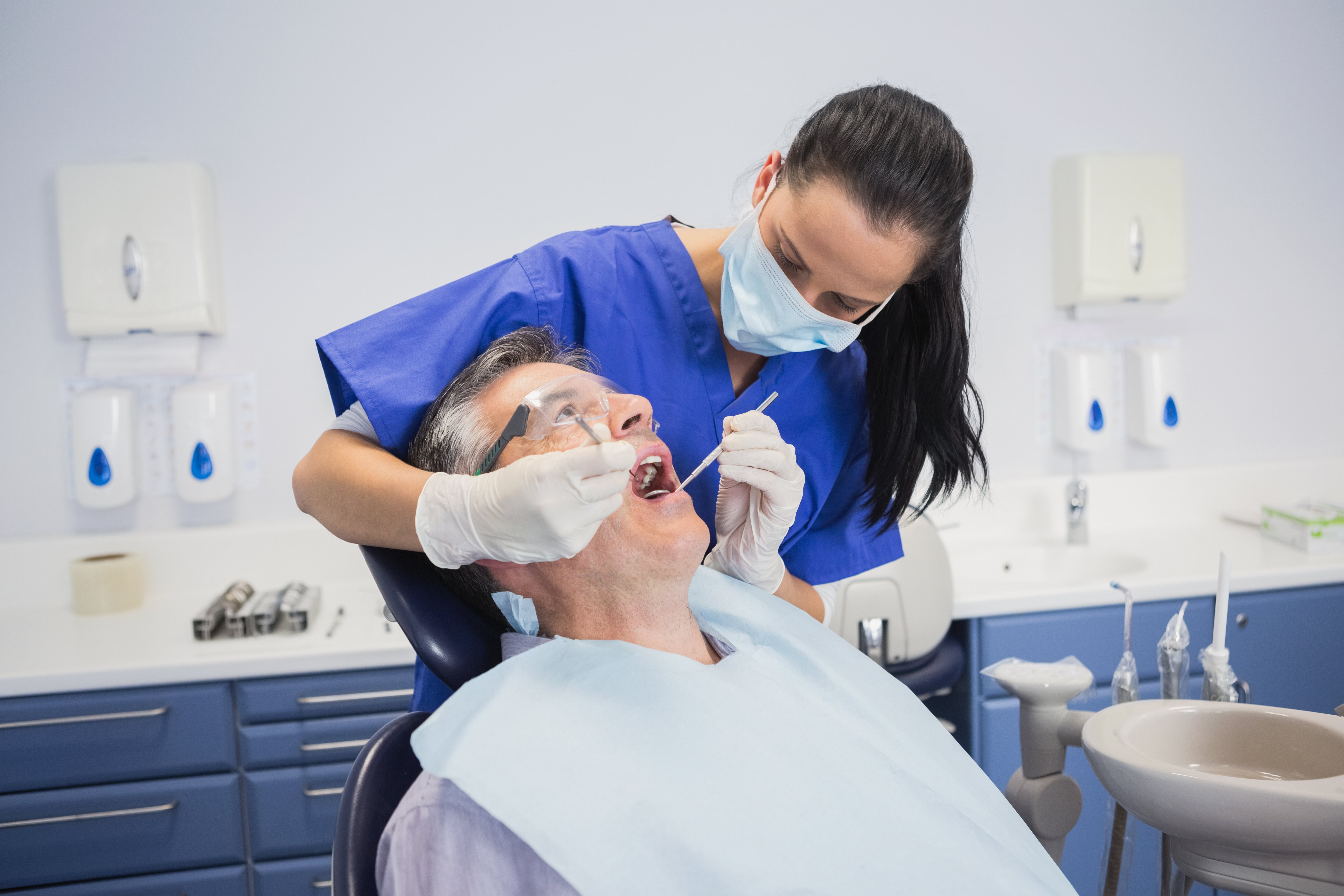
A cracked tooth needs attention from an emergency dentist in Oxnard as soon as pain, sensitivity or a visible fracture shows up. Rinse with warm salt water, avoid chewing on that side, and apply a cold compress if there's swelling. Treatment ranges from bonding to crowns to root canal therapy, it depends on how deep the crack goes.
Key Takeaways
- Cracked teeth usually come from trauma, biting hard objects, or weakened enamel.
- Pain, when biting down or sensitivity to hot and cold are the biggest warning signs.
- Rinse with warm salt water and avoid chewing on the affected side until you're seen.
- Treatment ranges from bonding to crowns to root canal therapy, depending on severity.
- An emergency dentist in Oxnard can evaluate the crack the same day and stop it from getting worse.
A cracked tooth rarely picks a convenient time. It happens mid-bite on something hard, after a fall, or you simply wake up with a sharp twinge you can't explain. Left alone, a small crack can worsen with normal chewing and eventually reach the nerve, turning a minor issue into a much bigger one. What you do in the first hour matters almost as much as what happens at the dental chair. If you're searching for an emergency dentist in Oxnard right now, here's what's likely going on, what to do immediately, and what treatment might look like from here.
What Actually Causes a Tooth to Crack?
Most cracks trace back to one of a few things. Dental trauma is the obvious one, a fall, a sports injury, a direct hit to the mouth. But plenty of cracks happen over something as small as biting into ice, unpopped popcorn kernels, or using your teeth to open a package. Teeth that are already compromised by untreated decay, large fillings, or nightly grinding are also more prone to fracturing, sometimes from nothing more than normal chewing.

How Do You Know If a Tooth Is Actually Cracked?
Symptoms depend on how deep the crack goes and where it's located. The most common tell is pain when you bite down, especially right as you release the bite. Sensitivity to hot or cold foods and drinks is another common signal. Sometimes the crack is visible as a thin line on the tooth surface. Other times it's completely invisible, and the only clue you get is discomfort that shows up when you chew.
What Should You Do Right Away?
Before you can get in to see someone, there are a few things that help. Rinse your mouth with warm salt water to keep the area clean and lower the risk of infection. If there's swelling, a cold compress on the outside of your mouth can bring it down. Stick to soft foods and avoid chewing on that side of your mouth. These steps won't fix the crack, but they'll keep things from getting worse while you get evaluated by an emergency dentist in Oxnard.
What Treatment Will You Actually Need?
It depends entirely on how bad the crack is. Smaller cracks are often treated with dental bonding, where tooth-colored resin restores the shape, and function of the tooth in a single visit. Larger or deeper cracks usually call for a crown which caps the tooth and protects it from further damage. If the crack has reached the root or pulp, root canal therapy removes the damaged tissue and saves what's left of the tooth. In the more severe cases, where the tooth truly can't be repaired, extraction followed by an implant or bridge becomes the path forward.
Can You Prevent a Cracked Tooth in the First Place?
Some of this comes down to habit. Skip chewing on ice, pens, or popcorn kernels. If you grind your teeth at night, a nightguard takes a lot of that pressure off your enamel. Regular checkups also catch small issues, decay, worn fillings, weak spots, before they turn into an actual fracture.
Conclusion
A cracked tooth is uncomfortable, but it's rarely something you have to sit with. Rinsing, avoiding pressure on the area, and getting seen quickly are the right first moves. From there, treatment can range from a simple bonding procedure to a crown or root canal, depending on what the crack actually looks like underneath the surface. If you're dealing with sudden tooth pain and need an emergency dentist in Oxnard, Clove Dental has been treating families since 1986 and can get you evaluated fast.
FAQs
How do I know if my tooth is actually cracked or just sensitive?
Pain specifically when biting down or releasing a bite, along with sensitivity to hot and cold, are the clearest signs. A dentist can confirm it with an exam even if the crack isn't visible.
Is a cracked tooth a dental emergency?
It can be. If you're in significant pain, notice swelling or see a visible fracture, it's worth being seen the same day rather than waiting.
What happens if I ignore a cracked tooth?
The crack can worsen with normal chewing, it may reach the nerve and lead to infection. Sometimes, you may need invasive treatment down the line.
Will I need a root canal for a cracked tooth?
Not always. It depends on whether the crack has reached the tooth's root or pulp. Many cracks are treated with bonding or a crown alone.
How fast can I be seen by an emergency dentist in Oxnard?
Clove Dental prioritizes same-day evaluations for cracked teeth, and other urgent dental issues whenever possible.