.png?width=80&height=80&name=Clove%20Dental%20White%20Small%20(28).png "Clove Dental White Small (28)")
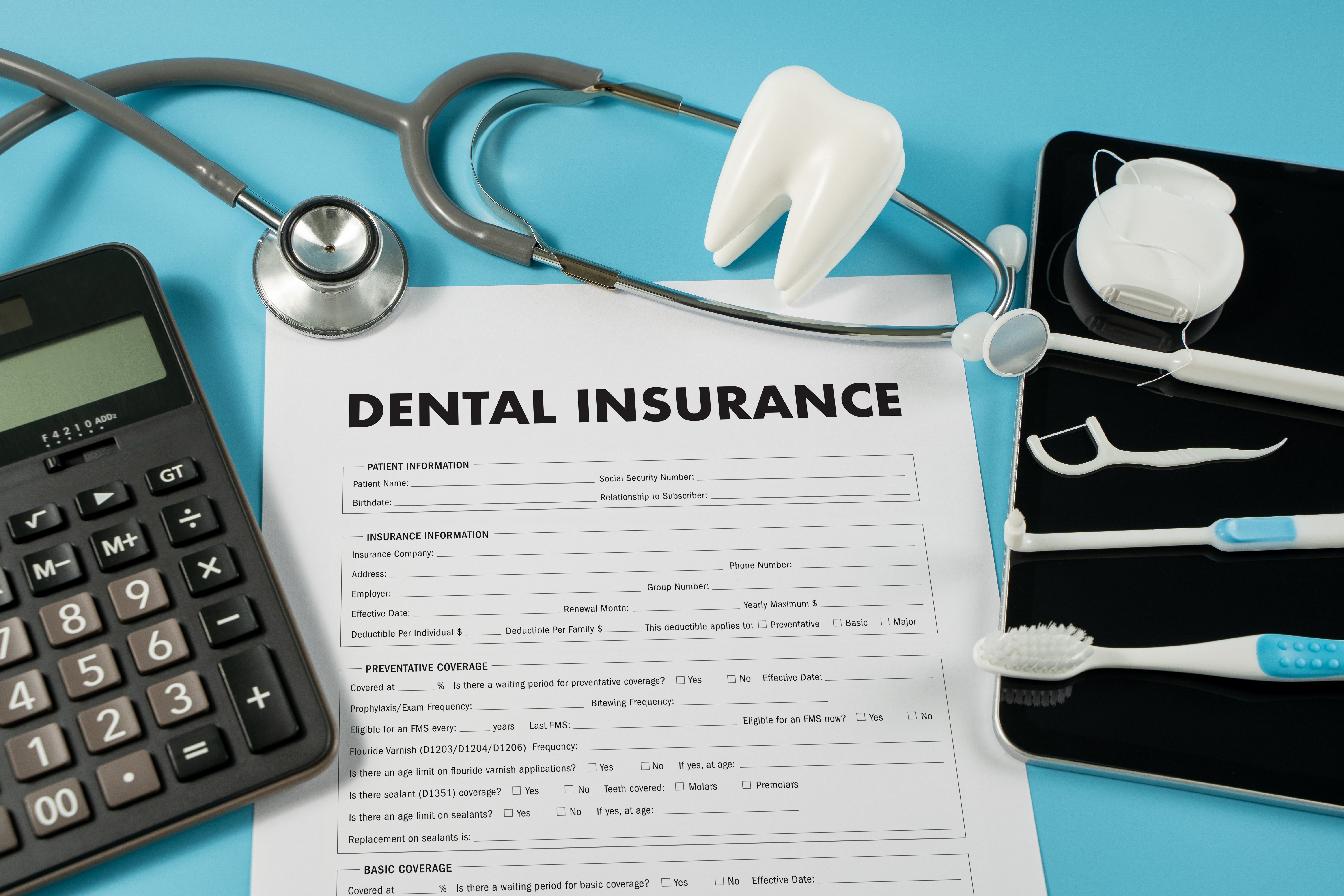
Dental insurance pays a percentage of the expense of dental care up to a limit per year and patients are liable for the rest. Most plans break services into 2 categories: preventive and basic restorative, covered at a different percentage, and major restorative at another percentage. Coverage for preventive services, such as cleanings and exams, is at the highest percentage, and coverage for major procedures, such as crowns and root canals, is at lower percentages.
Key Takeaways
- Dental insurance is a cost-sharing tool, not a full-coverage benefit: understanding what percentage the plan covers versus what you pay prevents billing surprises.
- Five numbers define most of a dental plan's real-world value: the annual maximum, deductible, coverage percentages by tier, waiting periods and in-network vs out-of-network reimbursement.
- Two patients with the same insurance company may have significantly different benefits depending on which specific plan they enrolled in.
- Dental insurance is most effective when paired with a consistent preventive care schedule and a realistic long-term treatment plan.
Have you ever looked at an Explanation of Benefits from your dental insurance and wondered how your plan can say it covered your visit while you're still holding a bill for several hundred dollars? You're not misreading it. Dental insurance works differently from health insurance and the gap between what people expect it to cover and what it actually covers is where most of the confusion and most of the frustration lives.
Here's a clear breakdown of how dental insurance actually works, what the numbers that matter most mean and how to use the coverage you're paying for more effectively.

"I Have Dental Insurance… So Why Am I Still Paying?" The Question Most Patients Ask
The short answer is that dental insurance was never designed to cover the full cost of dental care. It's a cost-sharing arrangement, not a comprehensive coverage benefit the way many people expect after experiencing employer-based health insurance.
There's no stop-loss protection in most dental plans, no point at which the plan begins covering 100 percent of costs because you've spent a certain amount. Instead, there's an annual ceiling on what the plan pays out total, called the annual maximum and once that ceiling is reached, you pay everything else until the benefit year resets.
The Five Numbers on Your Dental Insurance Plan That Matter More Than the Premium
Annual maximum
This is the total dollar amount your plan pays toward covered services in a calendar year, across all service categories combined. Most plans set this between $1,000 and $2,000. Once reached, you're responsible for 100 percent of remaining costs until the benefit year resets.
Deductible
This is the amount you pay before your insurance begins contributing to covered services. Deductibles are modest $50 to $100 per year but they apply before coverage percentages kick in.
Coverage percentages by tier
Most plans divide services into at least three tiers: preventive, basic restorative and major restorative. Each tier is covered at a different percentage of the allowed fee, commonly 80 to 100 percent for preventive, 70 to 80 percent for basic and 50 to 60 percent for major.
Waiting periods
Many dental plans impose waiting periods of six to twelve months before full benefits activate for basic or major services. New enrollees who need a crown right away may find that the major service benefit doesn't apply until they've been enrolled for a defined period.
In-network vs out-of-network reimbursement
In-network providers have agreed to accept the insurer's contracted fee schedule, which reduces the allowed amount against which your coverage percentage is calculated. Out-of-network providers may charge more than the plan's allowed amount and the difference between the billed rate and the allowed amount becomes your responsibility in addition to your normal cost-sharing.
The Biggest Dental Insurance Mistakes That End Up Costing Patients More
Not using both preventive visits
Two cleanings per year are covered at the highest benefit level in virtually every plan, often at 80 to 100 percent with no deductible. Skipping these visits doesn't save money it forfeits one of the most consistent value components of the plan and delays detection of problems that become more expensive to treat the longer they develop.
Seeing out-of-network providers without understanding the cost difference
Patients sometimes choose a provider based on proximity or referral without checking network status. Seeing an out-of-network provider under a plan with limited out-of-network benefits means paying the gap between the plan's allowed amount and the provider's actual fee, which can be substantial.
Waiting until December to schedule treatment
Patients who realize their benefit year is ending and rush to use remaining annual maximum before it resets often can't get appointments in time. Meanwhile, patients who scheduled major work early in the year had their full maximum available.
Assuming a coverage denial means the treatment wasn't necessary
Insurance coverage decisions are made by insurers based on plan design and benefit criteria, not clinical necessity. A treatment your dentist recommends as necessary may be excluded, classified differently or exceed the annual maximum none of which reflects on whether the treatment is clinically appropriate.
Delaying recommended treatment to avoid the cost-sharing
A filling that requires a $200 copay this year can become a root canal and crown that costs significantly more next year. The cost-sharing on the earlier, simpler treatment is almost always lower than the cost-sharing on the more complex treatment it prevents.
Dental Insurance Helps With Costs: But It Doesn't Replace a Long-Term Treatment Plan
Dental insurance is most effective when it's one part of an approach to oral health, not the primary driver of treatment decisions. Scheduling preventive visits consistently, addressing recommended treatment proactively rather than waiting for symptoms, and understanding your plan's actual benefit structure rather than its general description are what allow dental insurance to function as the cost-reduction tool it's intended to be.
At Clove Dental, we verify patient insurance benefits before treatment and provide written cost estimates based on your specific plan, annual maximum usage, and applicable fee schedule.
FAQs
Does dental insurance cover cosmetic procedures like whitening or veneers?
Generally no. Standard dental insurance covers procedures classified as medically or dentally necessary. Cosmetic procedures those intended primarily to improve appearance rather than function or health are excluded.
What happens to my dental benefits if I change jobs mid-year?
Benefits from your previous employer's plan end when employment ends at the end of the month. Your new employer's plan may have its own effective date and waiting periods. COBRA allows temporary continuation of your previous plan at significantly higher premiums.
Can I use my FSA or HSA for dental expenses not covered by insurance?
Yes. Dental procedures are qualified medical expenses eligible for payment through flexible spending accounts and health savings accounts, including deductibles, copays and non-covered services.
Why does my plan cover preventive care at a higher percentage than restorative care?denta
Preventive care coverage at high percentages is designed to reduce the need for more expensive restorative treatment over time.