.png?width=80&height=80&name=Clove%20Dental%20White%20Small%20(28).png "Clove Dental White Small (28)")
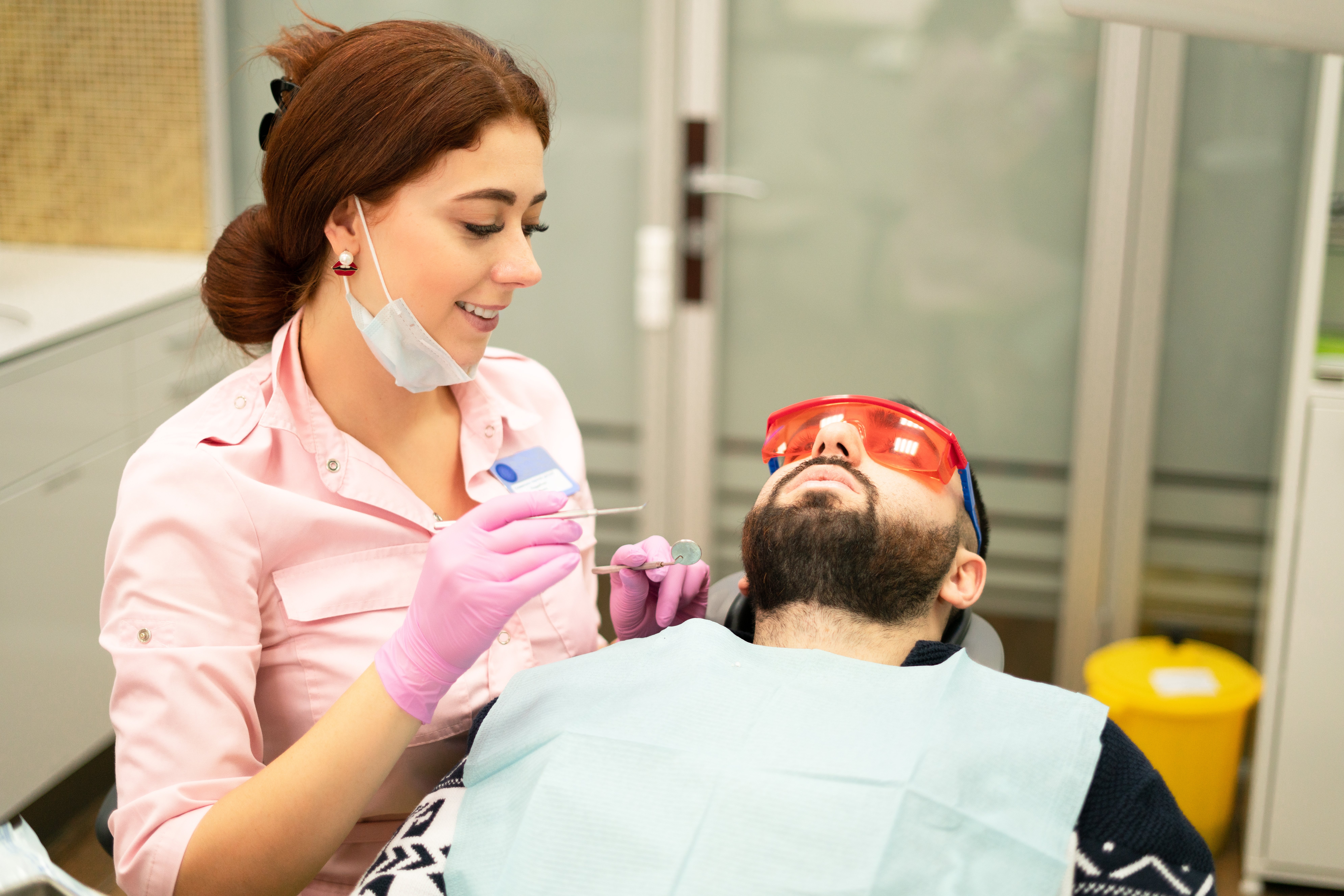
It's important to communicate with your dentist about your fear of the dentistry up front. If you are anxious about visiting a dentist in Camarillo, the dentist can explain each step beforehand, pauses during the appointment and adjusts the speed to make you feel more in control of the visit.
Key Takeaways
- Dental anxiety is common and worth mentioning before your appointment starts.
- Comfort during treatment depends on more than just numbing medication.
- Having a way to pause treatment can lower anxiety significantly.
- Avoiding the dentist tends to make problems and anxiety worse over time.
- A dentist in Camarillo can adjust the visit itself, not just the treatment.
What if the hardest part of your dental appointment happens before you even sit in the chair? For a lot of people, that's exactly how it goes. The waiting room, the sounds down the hall, the not knowing what's about to happen, all of it can build up before any actual treatment starts.
Dental anxiety is common and it's not something to just push through quietly. A dentist in Camarillo who understands this can change the entire experience, from how the appointment is explained to how much control you have once you're in the chair.
What If You're Nervous Before You Even Sit in the Dental Chair?
That nervous feeling in the waiting room is real and it's worth mentioning out loud rather than trying to hide it. Telling the front desk or your hygienist that you're anxious changes how the whole visit unfolds. It gives the team a chance to slow down, explain more and check in more often.
Most patients assume they need to just tolerate the anxiety until it's over. But a dentist in Camarillo who knows you're nervous going in can actually restructure small parts of the visit, like walking you through each step before it happens which tends to lower anxiety more than people expect.

"Will It Hurt?" What Actually Determines How Comfortable Dental Treatment Feels
Pain management matters but it's not the only factor in how a visit feels. Predictability plays a bigger role than most people realize. Not knowing what's coming next, what a tool is for or how long something will take creates more stress than the treatment itself.
That's why explaining each step before it happens is such a simple but effective tool. When a dentist in Camarillo walks you through what you'll feel, hear and experience before starting, the unknown stops being the scariest part of the appointment.
What Can You Do If You Need Dental Treatment but Can't Stay Calm?
If anxiety is making it hard to get through even routine care, a few practical options can help-
- Ask about shorter, split appointments instead of one long visit.
- Bring headphones to help block out sounds that trigger anxiety.
- Schedule morning appointments before anxiety has all day to build up.
- Ask your dentist about sedation options for more involved procedures.
None of these require you to just push through discomfort. They're practical adjustments a dental team can make once they know anxiety is part of the picture.
The "Stop Signal" Can Change the Entire Dental Experience
One of the simplest tools in anxiety-friendly dentistry is agreeing on a stop signal, raising a hand, before treatment begins. It sounds small but it gives patients a sense of control that's missing during dental visits.
Knowing you can pause at any moment tends to lower anxiety even if you never actually use the signal. It shifts the visit from something happening to you into something you're actively part of, which is the difference between dreading an appointment and simply getting through it.
Anxiety Doesn't Have to Mean Avoiding the Problem Until It Hurts
Avoidance is one of the most common responses to dental anxiety and also one of the most costly. Skipping visits doesn't make a cavity or gum issue go away. It means the eventual treatment is more involved than it would have been with earlier care.
Breaking that cycle usually starts with one manageable visit, not a full treatment plan all at once. A quick treatment-free visit can be a low-stress method of reestablishing trust with a dentist in Camarillo before trying anything more involved.
How Clove Dental in Camarillo Builds Comfort Into the Appointment
We treat anxiety as a normal part of dental care, not an inconvenience. That means taking time to explain procedures before they start, checking in throughout treatment and adjusting pacing for patients who need it. Our team also offers sedation options for patients who need extra support getting through more involved procedures.
None of this means every visit will feel effortless. It means you won't be rushed through an appointment while feeling unheard and that alone changes how manageable dental care feels over time.
Conclusion
Dental anxiety doesn't have to mean avoiding the dentist until a small problem becomes a big one. Small adjustments, like clear explanations, a stop signal and a team that actually listens can make a real difference in how a visit feels. If anxiety has been keeping you away from routine care, our team at Clove Dental in Camarillo is ready to meet you where you are and help you take that first step back into the chair.
FAQs
Is dental anxiety common?
Yes, it does impact many adults and is one of the most frequent dental care deferrals.
Can I ask for breaks during treatment?
Yes, most dentists can stop treatment at agreed-on times, particularly if a stop signal is put in place before the treatment begins.
Does Clove Dental offer sedation for anxious patients?
Yes, sedation options are available for patients who need extra support during treatment.
What if I haven't been to the dentist in years because of anxiety?
A consultation appointment that doesn't require any treatment is a low-pressure method to help begin to restore trust before any procedures are conducted.
Will telling my dentist about my anxiety change how they treat me?
Most dentists do adjust their pacing, explanations and check-ins once they understand that a patient is anxious.