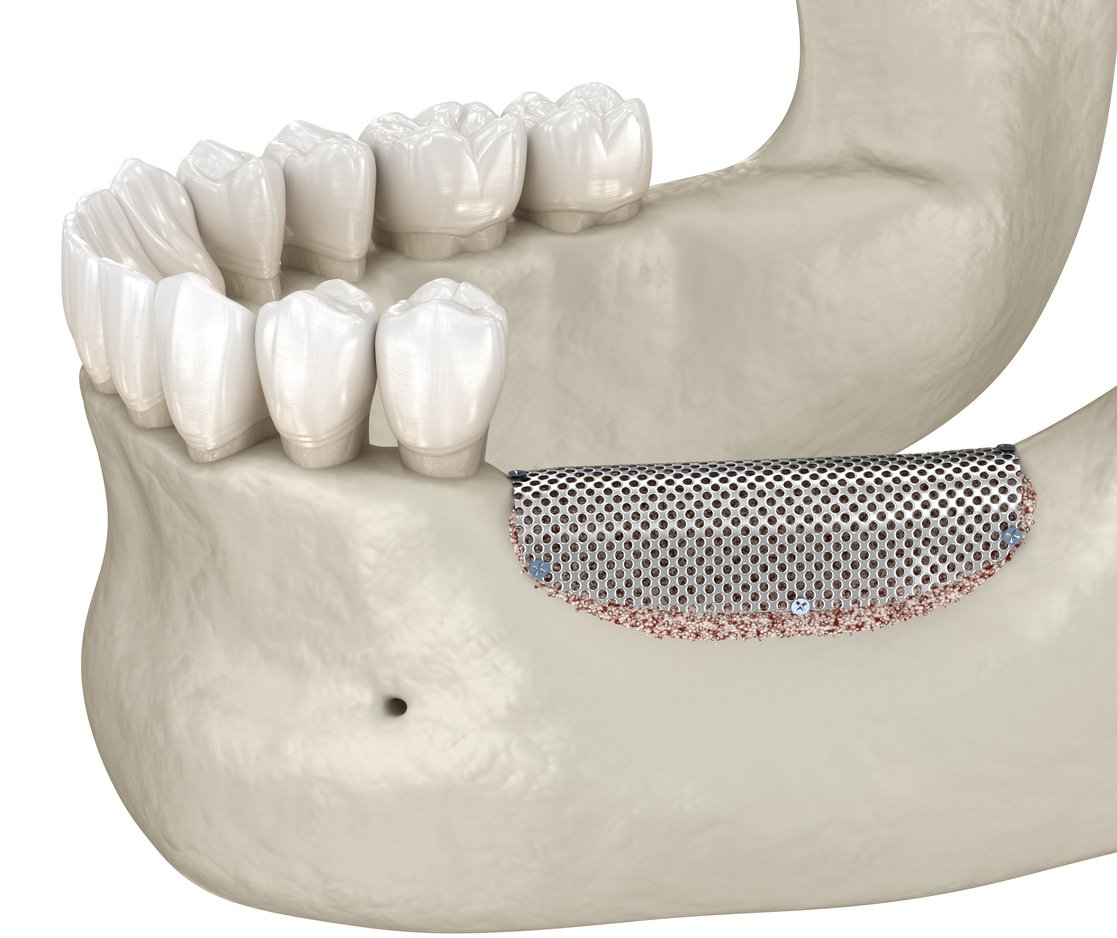
A dental bone graft is a surgical procedure that adds volume and density to your jawbone, creating a strong foundation for a future dental implant. Clinical literature supports using bone grafts as a filler and scaffold to support bone formation and promote wound healing [1] (Kumar et al., 2013). In Los Angeles, this preparatory treatment typically costs $400 to $1,200 out of pocket, depending on graft size and material.
The Biological Timeline: What Happens Inside Your Jaw?
Many patients wonder why they have to wait several months between their bone graft and their actual implant surgery. The answer comes down to how cells work. When Dr. Puri places grafting material into your empty socket, it does not instantly become your jawbone. Instead, it acts as a biological substitute. Within three to six months, your body dispatches specialized bone-building cells, known as osteoblasts, to the surgical site. These cells slowly take in the grafting material and replace it with your own natural, living bone. If you rush this process, you get implant failure. Medical literature supports that Bone grafting is the only solution to reverse dental bone loss and is a well-accepted procedure [2] (Zhao et al., 2021). Let your body finish this cellular rebuild, and you will give your titanium implant a rock-solid foundation for decades to come.
Post-operative Diet: What to Eat After a Bone Graft
The first week of recovery is a critical time for protecting your new graft. The surgical site is sensitive, and the wrong foods can disrupt healing or dislodge the protective membrane. For the first 48 to 72 hours, stick to a strict soft-food diet. Good choices include room-temperature smoothies, yogurt, scrambled eggs, and mashed potatoes. Crunchy, sharp foods like tortilla chips, popcorn, or nuts can easily poke the healing gum tissue. Also, don't use a straw for iced coffee or smoothies. Straw suction can pull the protective blood clot and tiny graft particles out of the socket, delaying recovery.

Normal Healing vs. Signs of a Graft Complication
It is easy to feel anxious after oral surgery, especially if you notice something unfamiliar in your mouth. A few days after your procedure, you might feel tiny, gritty white granules on your tongue. Do not panic. This is completely normal. Dentists often overpack the socket slightly, and a few loose particles of the graft material will naturally work their way out as the gums heal. Mild swelling and dull soreness are also standard for the first three days. However, call Clove Dental if you experience a sudden, sharp spike in pain after day four, notice a foul taste that does not go away with a saltwater rinse, or develop a fever. These are signs of a localized infection, and our team will bring you in immediately to safely clean the site and keep your recovery on track.
Comparisons: Types of Bone Grafts
Not all bone loss is the same. The graft type you need determines your final cost and healing time. Here is how the most common procedures compare:
|
Graft Type |
Primary Purpose |
Estimated LA Cost |
Healing Time |
Maintenance Level |
|
Socket Preservation |
Placed immediately after an extraction to prevent the socket from collapsing. |
$400 - $600 |
3 to 4 Months |
Low (Standard gentle brushing) |
|
Ridge Augmentation |
Rebuilds the width and height of a jaw that has been missing a tooth for years. |
$600 - $1,200+ |
4 to 6 Months |
Moderate (Soft diet during initial healing) |
|
Sinus Lift |
Adds bone to the upper jaw when the sinus cavity sits too low for an implant. |
$1,500 - $2,500+ |
6 to 9 Months |
High (Strict sinus precautions post-op) |
How 3D CBCT Scans Remove the Guesswork
We never guess when it comes to your facial structure. Traditional 2D X-rays show only a flat picture, making it hard to see the true thickness of your jaw. Before we ever recommend a bone graft, we utilize an advanced 3D Cone Beam (CBCT) scanner. This quick, low-radiation scan creates a high-definition, 360-degree map of your jawbone, nerve pathways, and sinus cavities. It tells us exactly how many millimeters of bone you have lost. This technology lets us know exactly how much grafting material you need before surgery begins. This transparency ensures you pay only for the treatment your body needs, protecting both your health and your wallet.
Are There Alternatives to Dental Bone Grafts?
If a bone graft makes you nervous, or you want to restore your smile faster, you may have other options. Depending on your specific anatomy, we can sometimes bypass the need for grafting. If you are missing a full arch of teeth, we often recommend the All-on-4® implant system. This technique uses specialized, longer implants placed at precise angles to maximize the dense bone you already have at the front of your jaw, frequently eliminating the need for a sinus lift or ridge augmentation. During your consultation at Clove Dental, we will review your 3D scans together to see if you qualify for these graft-free, streamlined alternatives.
FAQs
1. Does a dental bone graft hurt after the anesthesia wears off?
The procedure itself is completely numb and painless. After the local anesthesia wears off, most patients experience mild soreness and slight swelling for three to five days. This discomfort is highly manageable with over-the-counter anti-inflammatory medications like ibuprofen and a cold compress.
2. What is the bone graft material actually made of?
Dentists use several safe, sterilized materials. The most common is an allograft, which is highly processed, mineralized bone from a certified tissue bank. We can also use synthetic materials (alloplasts) or bone from another area of your own body (autograft).
3. Can I get the bone graft and the dental implant on the exact same day?
Sometimes. If you have a very minor infection and enough existing bone to stabilize the titanium post, we can perform "immediate implant placement" alongside a minor graft.
References
[1] Kumar, P., Vinitha, B., & Fathima, G. (2013). Bone grafts in dentistry. Journal of pharmacy & bioallied sciences, 5(Suppl 1), S125–S127. https://doi.org/10.4103/0975-7406.113312
[2] Zhao, R., Yang, R., Cooper, P. R., Khurshid, Z., Shavandi, A., & Ratnayake, J. (2021). Bone Grafts and Substitutes in Dentistry: A Review of Current Trends and Developments. Molecules (Basel, Switzerland), 26(10), 3007. https://doi.org/10.3390/molecules26103007