.png?width=80&height=80&name=Clove%20Dental%20White%20Small%20(28).png "Clove Dental White Small (28)")
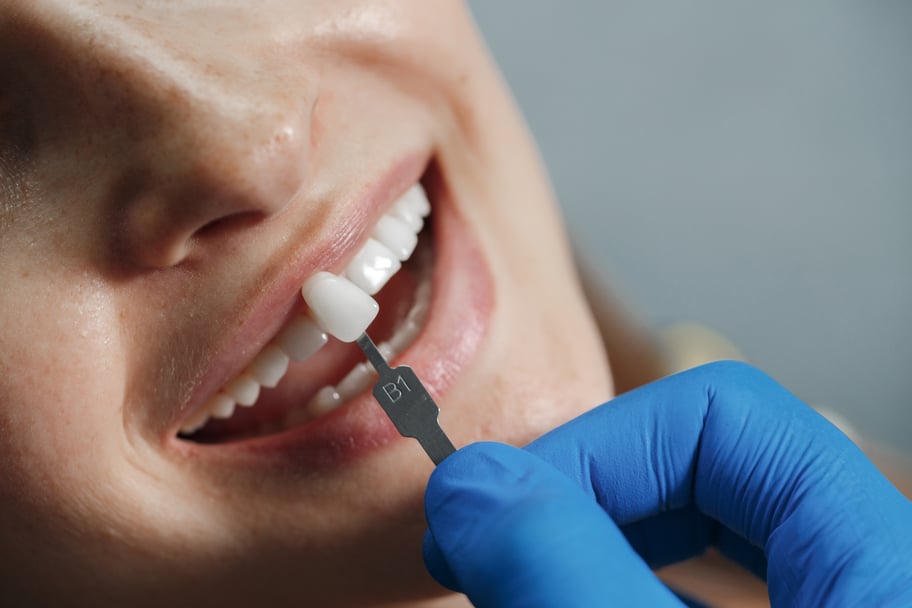
Dental implants in Camarillo are a permanent, bone-integrated tooth replacement option made of a titanium post that is taken into the jaw bone, and a custom crown that appears and acts like a natural tooth. When a tooth is lost, the jaw bone will shrink over time, as opposed to a bridge or denture, which does not stimulate the bone.
Key Takeaways
- Dental implants in Camarillo replace both the root and the crown of a missing tooth, the only restoration option that preserves jaw bone long-term.
- Waiting years after a tooth is lost doesn't eliminate the option, but bone loss during that time often requires grafting before an implant can be placed.
- Bridges and dentures restore appearance and some function but don't address the bone loss that begins immediately after tooth loss.
- The long-term cost of ignoring a missing tooth in bone loss, shifting teeth and more complex future treatment exceeds the cost of replacing it promptly.
Have you been living with a missing tooth and wondering whether it's too late to do something about it? Or maybe you're weighing your options and not sure what makes implants worth considering over a bridge or denture?
Dental implants in Camarillo have become the standard of care for tooth replacement and for good reason. But they're the only ones that take the place of the entire tooth and root. Our treatment process is clearly explained, right from the beginning, which helps patients feel at ease.
"I've Been Missing a Tooth for Years: Can I Still Get a Dental Implant?"
This is one of the most common questions we hear and the answer is yes, with a caveat.
Time doesn't eliminate the option of getting dental implants in Camarillo, but it does change what the process involves. The moment a tooth is lost, the jaw bone beneath it begins to resorb, shrinking in height and width without the stimulation a root provides. After several years, that bone loss may be significant enough that there isn't sufficient volume to support an implant without first rebuilding it through bone grafting.
Why Replacing a Missing Tooth Is About More Than Appearance
A gap in your smile affects more than how you look in photos. The consequences spread through the surrounding structures in ways that compound over time.
The surrounding teeth slowly shift towards the open space, which causes crowding and changes the bite. The tooth opposing the gap with nothing to bite against begins to over-erupt. Bite forces redistribute unevenly, placing extra stress on remaining teeth and beneath the gum line, bone loss continues steadily for years.
None of this is visible from the outside in the early stages. But it's happening and each change makes future treatment more complex.
What Makes Dental Implants Different From Bridges and Dentures?
All three options fill the visible gap. Only one addresses what's happening below the surface.
A bridge is anchored to the teeth on either side of the gap, requiring those teeth to be ground down significantly to support crowns. It restores appearance and function reasonably well but does nothing for bone loss and sacrifices healthy tooth structure in the process.
A removable partial denture is the most affordable short-term option but the least stable. It relies on clasps attached to adjacent teeth, can accelerate wear on those teeth over time, and still doesn't prevent bone resorption.
Why Some Patients Need Bone Grafting Before an Implant
Bone grafting sounds more significant than it typically is in practice. It's a routine part of implant dentistry, used when the ridge that once supported a tooth no longer has enough volume to anchor an implant securely.
Grafting involves placing bone material from the patient, a donor source, or a synthetic substitute at the implant site.
Socket preservation grafting, done at the time of extraction, can prevent significant bone loss from the outset, making future implant placement more straightforward. If you're having a tooth extracted and already considering an implant, this conversation is worth having with your dentist before the extraction occurs.
Can You Be Told You're Not a Candidate for Dental Implants?
Yes, though it's less common than patients fear. Certain conditions affect candidacy or require management before proceeding.
Uncontrolled diabetes impairs healing and increases infection risk around the implant site. Active gum disease must be treated before implants are considered. Placing an implant in an infected environment significantly increases the risk of failure. Heavy smoking affects blood flow to healing tissue and is one of the more significant risk factors for implant complications.
Some medications, particularly long-term bisphosphonates used for osteoporosis, can affect jaw bone healing and require careful evaluation. Patients on these medications aren't automatically excluded but the conversation needs to happen before planning begins.
What's More Expensive Long-Term: Replacing a Missing Tooth or Ignoring It?
The upfront cost of an implant is real. But comparing it only to the cost of doing nothing misses most of the picture.
Bone loss from an unaddressed gap may eventually require grafting, adding cost and time to a future implant that would have been simpler and less expensive immediately after extraction. Shifting teeth can create alignment issues that require orthodontic correction. A tooth that over-erupts into the gap may eventually need reduction or restoration. And if multiple teeth are eventually lost due to the cascading effects of one unaddressed gap, the cost of full rehabilitation dwarfs what a single implant would have cost.
Dental implants in Camarillo aren't cheap. But they're almost always less expensive than the compounding consequences of avoidance.

Conclusion
Missing a tooth is rarely just a cosmetic issue, and the decision about how to address it deserves more than a quick comparison of upfront costs. Dental implants in Camarillo offer a complete, bone-preserving solution that other options can't replicate but the process starts with an honest evaluation of where you are now and what your specific situation requires.
Schedule a consultation at Clove Dental in Camarillo and get a clear picture of your options before more time passes.
FAQs
How long do dental implants in Camarillo last?
The implant post, once fully integrated with the jaw bone, is designed to be permanent. The crown on top would take 10-15 years before it is worn out and requires replacement. With good oral hygiene and regular checkups, many implants function without issue for decades.
How long does the full implant process take?
Without grafting, most cases take three to six months from placement to final crown. Cases requiring bone grafting first may take six to twelve months total. We provide a specific estimate once we've reviewed your imaging.
Will my insurance cover dental implants?
Coverage varies widely. Some plans include implant benefits; many treat them as excluded or cosmetic. Our team verifies your benefits before treatment begins and provides a clear out-of-pocket estimate so there are no billing surprises.
.jpg?width=352&name=image(1220).jpg)
.jpg?width=352&name=old-man-sitting-dentist-s-office%20(4).jpg)