 Medical literature defines sleep bruxism as masticatory muscle activity during sleep that is rhythmic (phasic) or non-rhythmic (tonic) and not a movement or sleep disorder [1] Balasubramaniam et al., 2026). This persistent abfraction wears down protective enamel, creates structural cracks in the teeth, and is often linked to underlying systemic problems, such as chronic stress or obstructive sleep apnea.
What Happens Inside Your Mouth When You Sleep?
When you fall asleep, your body should rest and repair. But if you suffer from sleep bruxism, your jaw muscles are overactive. The heavy friction raises the temperature inside your teeth, which irritates the nerve tissue. Clinical literature indicates that severe bruxism can lead to significant consequences, including tooth damage, jaw pain, fatigue, and headaches [2] (Uchima et al., 2024). This micro-trauma can also inflame the periodontal ligament, the shock-absorbing hammock that holds your tooth in the jawbone. Over time, this constant nighttime tension causes your gums to pull back, exposing the sensitive roots. Your teeth wear down hour after hour while you are completely unaware of the damage.
Is It Normal for Children to Grind Their Teeth?
Medical evidence supports that the prevalence rates of bruxism in children vary widely from 13% to 49% [3] (Bulanda et al., 2021). Hearing your toddler grind their baby teeth can alarm any parent. Pediatric bruxism is very common and often is self-resolving. Children often grind their teeth as a natural reaction to their jaws growing and new teeth erupting. But if the grinding is loud, or if your child breathes heavily through their mouth while sleeping, it may require further evaluation. Clove Dental closely monitors your child’s airway and dental development. We can quickly determine if their grinding is a normal growth phase or a hidden sign of enlarged tonsils blocking their breathing.

How Your Evening Routine Fuels the Nighttime Grind
What you consume in the hours before bed directly impacts how your jaw behaves overnight. Caffeine and alcohol are two of the biggest biological triggers for sleep bruxism. Drinking a late-afternoon espresso keeps your nervous system on high alert long after sunset. Likewise, while a glass of wine might help you fall asleep faster, alcohol disrupts your deep REM sleep cycle. This sleep disruption can increase the chances of intermittent airway collapse and nighttime clenching. You can protect your smile by swapping evening alcohol or caffeine for water or decaffeinated tea. Building a calm wind-down routine signals your parasympathetic nervous system to relax your jaw muscles.
Comparisons: Nighttime Interventions
Understanding your treatment options helps you choose the smartest path for your long-term health
|
Treatment Option |
Estimated Cost Impact |
Durability of Relief |
Maintenance Level |
|
Custom Acrylic Night Guard |
Moderate (Often covered by PPO plans) |
High (Lasts 3–5+ years) |
Low (Brush daily with mild soap) |
|
Sleep Apnea Oral Appliance |
Higher (Often billed to medical insurance) |
High (Lasts 3–5+ years) |
Low (Brush daily with mild soap) |
|
Over-the-Counter Boil-and-Bite |
Very Low ($15 - $30) |
Very Low (Chewed through quickly) |
High (Worsens muscle chewing habits) |
|
Stress Management / Therapy |
Varies by provider |
Variable |
High (Requires ongoing lifestyle changes) |
Protecting Your Dental Implants and Veneers
You invested time and money into perfecting your smile with porcelain veneers or dental implants. Sleep bruxism puts that beautiful investment at serious risk. Titanium implants fuse directly to your jawbone, meaning they lack the natural, shock-absorbing ligaments that regular teeth possess. When you grind your teeth, that extreme force travels straight into the bone and the porcelain crown. This constant pressure can cause expensive veneers to shatter or implant screws to loosen. Wearing a custom protective appliance at night acts as a reliable insurance policy for your dental work, keeping your restorations looking flawless for decades to come.
Getting Fitted for a Night Guard: The Digital Experience
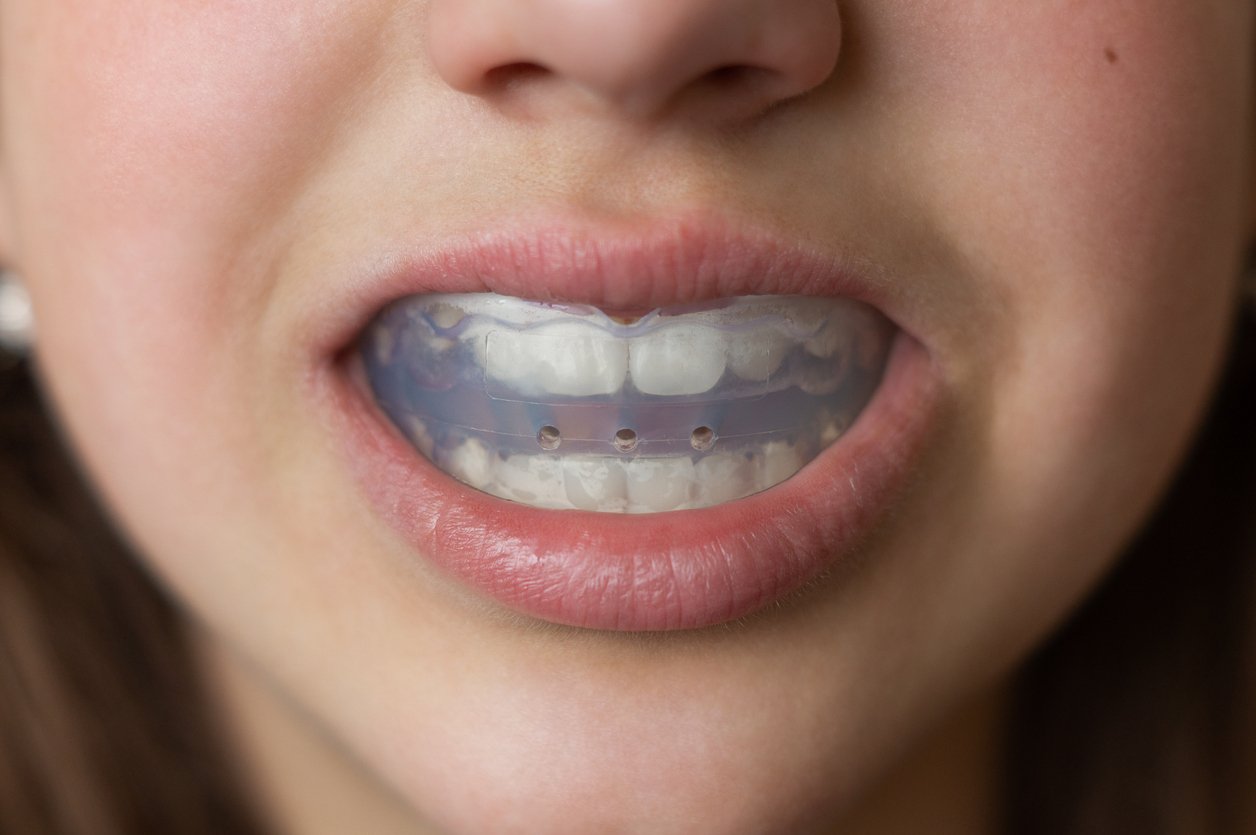
Many patients avoid getting a protective night guard because they dread the fitting process. You likely remember the old days of sitting in a dental chair, trying not to gag on bulky trays filled with messy, pink putty. You never have to deal with that outdated process at Clove Dental. We utilize state-of-the-art intraoral scanners to capture the exact shape of your teeth in seconds. Our quiet, handheld camera takes thousands of pictures to build a highly accurate 3D model of your bite. This quick, comfortable digital process ensures your final custom guard fits with absolute precision. It effortlessly snaps into place, allowing you to speak, breathe naturally, and sleep soundly.
FAQs
1. Why does teeth grinding sound so loud to my partner?
During sleep, your brain's protective feedback loop is turned off. You bite down with significantly more force than you ever could while awake. That extreme, bone-on-bone friction amplifies the sound through the skull, making it highly audible to anyone sharing the room.
2. Can sleep bruxism cause my old fillings to fall out?
Yes. Fillings and crowns are designed to withstand normal chewing, not the hundreds of pounds of lateral pressure caused by sleep bruxism. The constant flexing breaks the adhesive bond, causing old silver or composite fillings to leak, crack, or fall out completely.
3. Will a sleep study help cure my nighttime teeth grinding?
If you snore, wake up gasping, or feel exhausted during the day, a sleep study is a vital step. If a physician diagnoses you with sleep apnea, treating the airway obstruction (via a CPAP machine or a custom dental appliance) often stops the grinding reflex.
References
[1] Balasubramaniam, R., Manfredini, D., & Guan, G. (2026). Sleep Bruxism: A Narrative Review of Current Concepts, Mechanisms, and Clinical Implications. Journal of the Royal Society of New Zealand, 56(2), e70046. https://doi.org/10.1002/snz2.70046
[2] Uchima Koecklin, K. H., Aliaga-Del Castillo, A., & Li, P. (2024). The neural substrates of bruxism: current knowledge and clinical implications. Frontiers in neurology, 15, 1451183. https://doi.org/10.3389/fneur.2024.1451183
[3] Bulanda, S., Ilczuk-Rypuła, D., Nitecka-Buchta, A., Nowak, Z., Baron, S., & Postek-Stefańska, L. (2021). Sleep Bruxism in Children: Etiology, Diagnosis, and Treatment-A Literature Review. International journal of environmental research and public health, 18(18), 9544. https://doi.org/10.3390/ijerph18189544