.png?width=80&height=80&name=Clove%20Dental%20White%20Small%20(28).png "Clove Dental White Small (28)")
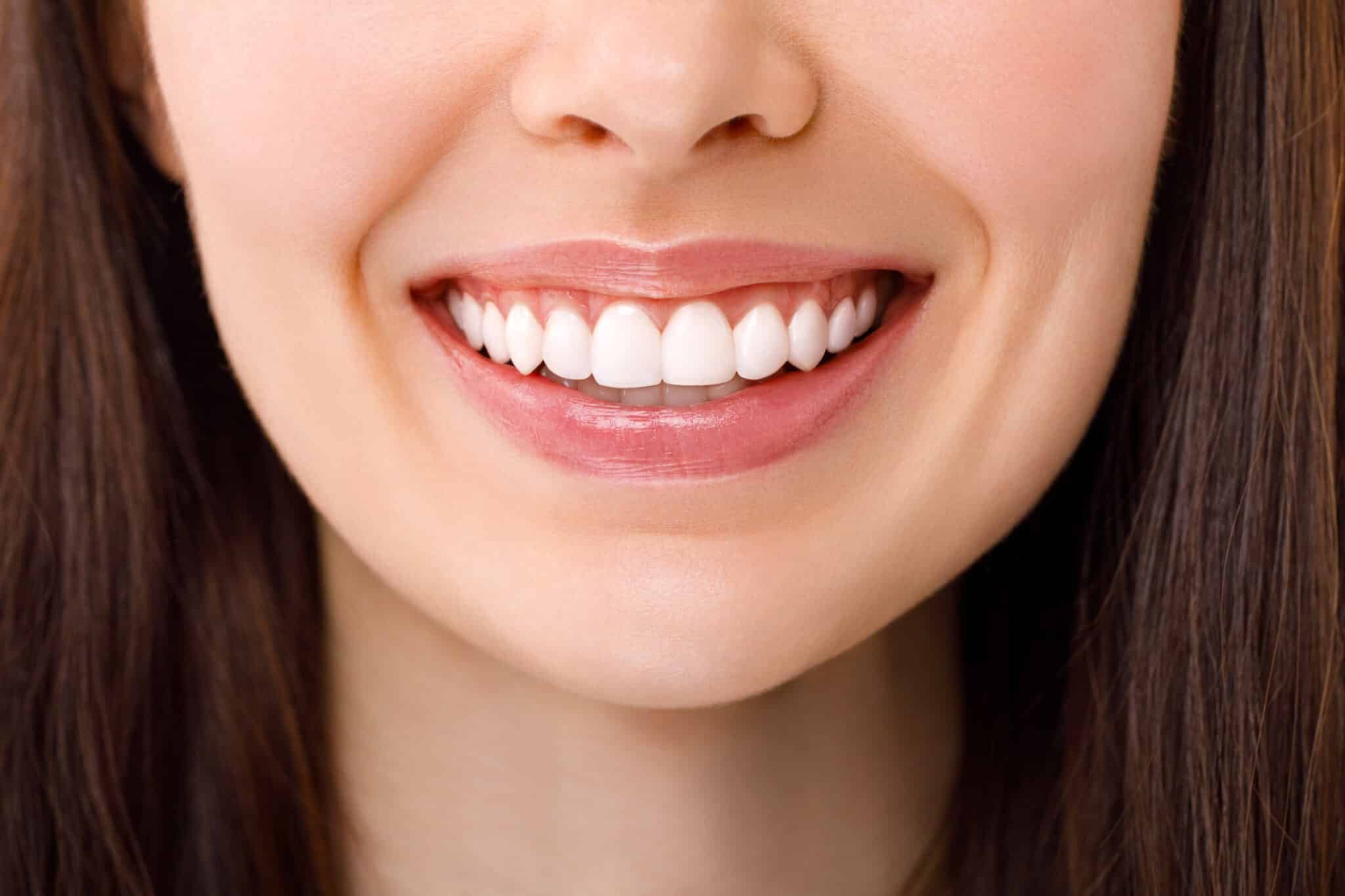 A lost dental crown is a clinical emergency. A prosthetic cap has come loose from a prepared tooth, exposing the underlying dentin and nerves. Clinical evidence supports that the main reasons for single crown failure were loss of retention, tooth loss, and fracture [1] (Hawthan et al., 2022). Exposure causes severe sensitivity because the initial procedure strips away the protective enamel, leaving the inner tooth vulnerable to thermal shock, air, and bacteria.
Why is an Exposed " Prepared " Tooth Extremely Sensitive?
When your tooth was first prepared for a crown, your dentist removed the outer layer of enamel to make way for the porcelain cap. It exposed the dentin, a porous layer with microscopic channels called dentinal tubules. Without the crown as a “helmet,” these tubules let heat, cold, and sugar reach the nerve directly. This is why sensitivity is much better than with a typical cavity. If left open to the California environment, these pathways can quickly become clogged with bacteria, leading to irreversible pulpitis (nerve death). Protecting this "stump" is the only way to avoid an unplanned root canal.
Salvage or Replace? How We Evaluate Your Dislodged Crown
The first question most patients ask is, "Can you just glue this back on?" The answer depends on two factors: the crown's integrity and the health of the tooth margin. We use high-definition intraoral cameras to inspect the inside of your old crown. Medical literature supports that intraoral cameras add significant value to visualizing posterior maxillary and mandibular arches for evaluating cavity preparations, restorations, tooth eruption, and plaque [2] (Schiller et al., 2024). If the porcelain is intact and the fit is still "passive" and snug, we can often perform a professional re-cementation. However, if we find new decay at the gum line (where the crown used to meet the tooth), you need a new restoration. Placing an old crown over new decay is like putting a lid on a boiling pot; it traps the infection and guarantees future pain.

The 48-Hour Window: Why Tooth Shifting and Decay are Real Risks
Time is your biggest enemy when a crown is missing. Your teeth exist in a delicate balance, constantly pressing against their neighbors. When a crown falls off, that space becomes a "dead zone." Within 48 to 72 hours, adjacent teeth can begin to tilt, and the tooth above can "super-erupt" (move downward) to find a contact point. If the teeth shift even a fraction of a millimeter, your old crown will no longer fit. Also, because the prepared tooth is hard to clean with a standard brush, plaque can build up quickly. Visiting Clove Dental within the first two days is the most effective way to keep your treatment simple and inexpensive.
Comparing Your Restoration Options
When you arrive at our clinic, we evaluate whether your old crown is still a "perfect fit" or if the underlying structure has changed.
|
Decision Factor |
Re-Cementation (Old Crown) |
New Custom Crown |
Build-Up & Crown |
|
Average Cost (CA) |
$100 - $250 |
$900 - $1,500 |
$1,200 - $1,800 |
|
Time in Chair |
20 Minutes |
2 Visits (or Same-Day) |
90+ Minutes |
|
Durability |
Variable (Depends on fit) |
High (10-15 Years) |
Maximum (Structural repair) |
|
Best For |
Clean dislodgement; no decay. |
Old crown is damaged/worn. |
Decay found under the old crown. |
Navigating California Insurance and Palliative Care Costs
We understand that an unexpected dental bill is never in the budget for an Up-and-Comer or Practical Parent. In California, dental insurance providers like Delta Dental and MetLife often categorize a lost crown visit under "Palliative Treatment" or "Emergency Exam" codes. These are typically covered at a higher percentage than major work, often leaving you with a very low out-of-pocket cost for the initial fix. If you are uninsured, the Clove Dental Membership plan offers a transparent, fixed-cost solution that provides immediate discounts on replacements. We also accept CareCredit and Sunbit, allowing you to split the cost of a new crown into manageable monthly payments that fit your lifestyle.
Advanced Digital Solutions for Same-Day Crown Protection
Modern technology has eliminated the need for the "goopy" impressions and long wait times of the past. At Clove Dental, we utilize 3D digital scanners to create a perfect map of your mouth in seconds. This precision ensures your new crown has a "hermetic seal" that prevents bacterial leakage that likely caused your old crown to fall off. For our Wellness Enthusiasts, we offer high-grade, biocompatible ceramic materials that mimic the light-reflecting properties of natural enamel. Whether we are providing a high-quality temporary to stop your sensitivity or a permanent digital restoration, our focus is on returning your bite to its natural, pain-free state.
FAQs
1. Can I leave my tooth uncovered for a few days?
It is not recommended. Beyond the discomfort, an exposed tooth can shift slightly in as little as 48 hours. If the tooth moves, your old crown will no longer fit, turning a simple re-cementing job into a much more expensive replacement project.
2. What if I accidentally swallowed my dental crown?
While it sounds alarming, this is common. Most dental crowns are small and will pass through your system naturally. However, you should never try to retrieve and reuse a swallowed crown. We will focus on creating a fresh, hygienic replacement for you.
3. Why did my crown fall off if there was no pain?
Crowns often fail because the underlying cement has washed away over time (a process called micro-leakage). Sometimes, a tiny area of new decay forms at the margin, causing the bond to break. We use digital imaging to see if the seal failed due to age or a new cavity.
References
[1] Hawthan, M., Chrcanovic, B. R., & Larsson, C. (2022). Retrospective clinical study of tooth-supported single crowns: A multifactor analysis. European journal of oral sciences, 130(4), e12871. https://doi.org/10.1111/eos.12871
[2] Schiller, C., Ho, H., Sobue, T., Katechia, B., & Tadinada, A. (2024). Value of an Intraoral Camera in Evaluating Restorations and Plaque in a Simulated Environment: Observational Experiences of Dentists in Pediatric Contexts to Establish a Proof of Concept. Cureus, 16(10), e72012. https://doi.org/10.7759/cureus.72012