.png?width=80&height=80&name=Clove%20Dental%20White%20Small%20(28).png "Clove Dental White Small (28)")
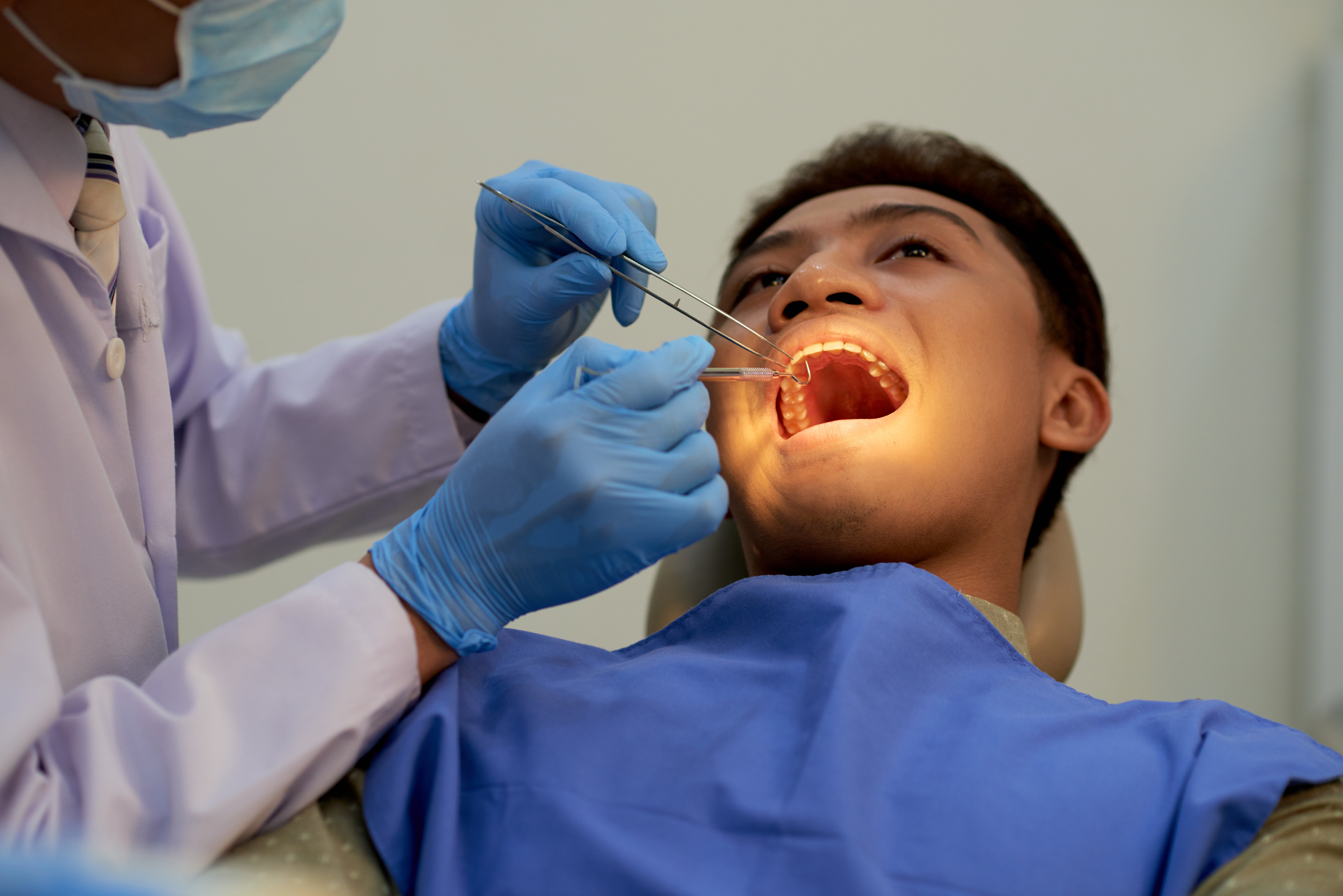
Regular teeth cleaning in Riverpark removes tartar buildup that brushing can't address but the clinical value of a routine visit goes well beyond polishing. Each checkup includes a comparison of current findings against your previous records tracking changes in bone levels, gum pocket depths and tooth structure over time. Preventive visits cost a fraction of what restorative treatment costs once problems progress. Feeling fine between appointments is not the same as having nothing developing.
Key Takeaways
- Teeth cleaning in Riverpark does more than remove buildup, it includes a full clinical exam that tracks changes over time and identifies problems before they become symptomatic.
- Most dental disease develops silently for months before causing pain, making routine visits the only reliable early detection system available.
- Dentists compare findings from visit to visit to changes in bone levels, pocket depths and wear patterns tell a clinical story that a single snapshot cannot.
- Hearing "everything looks good" at a checkup isn't a reason to extend time between visits, it's confirmation that the current frequency is working.
- The financial cost of preventive care is consistently lower than the cost of treating problems that could have been caught earlier.
When was the last time you skipped a dental appointment because nothing hurt and everything felt fine? If that reasoning sounds familiar, you're not alone and it's one of the most reliable predictors of a more complicated dental visit down the road.
Teeth cleaning in Riverpark isn't maintenance for when things go wrong. It's what keeps things from going wrong in the first place. At Clove Dental, we build every routine visit around that principle, not just cleaning teeth, but actively monitoring the health of the entire oral environment. Here's why that distinction matters.

"Everything Feels Fine" Is Exactly Why Many People Skip Dental Checkups
Dental disease is largely painless in its early stages. Enamel has no nerve endings. Early gum inflammation doesn't hurt. A small cavity developing between two teeth produces no symptoms until it's reached a size that requires a filling or worse, has progressed into the dentin and begun causing sensitivity.
Waiting for pain to guide dental decisions means waiting until problems have already progressed past their simplest, least expensive treatment point. The absence of symptoms isn't a clinical finding. It's the absence of information and it tells you nothing about what's developing beneath the surface.
The Dental Problems That Usually Start Months Before You Notice Them
Three of the most common dental conditions follow a predictable silent phase that makes routine monitoring essential.
Cavities begin as mineral loss in enamel, invisible, painless and in the earliest stages potentially reversible with fluoride. By the time sensitivity develops, decay has reached the dentin. By the time a toothache appears, the nerve is involved and a root canal may be necessary.
Gum disease starts as gingivitis with mild inflammation that bleeds slightly when brushed and causes no discomfort. Left undisturbed, it progresses into periodontitis, where bone loss begins. Bone loss doesn't announce itself. It shows up on X-rays during a routine teeth cleaning in Riverpark and once bone is lost, it doesn't regenerate.
What Dentists Compare From One Checkup to the Next
A single appointment gives a snapshot. A series of appointments gives a story and the story is what reveals whether something is stable, improving or progressing.
A gum pocket that measured 3mm last visit and measures 4mm this visit is a different clinical situation than one that's remained at 3mm for three years. A crack noted but stable over two appointments means something different if it's deepened at the third. Bone levels that show a small change on X-ray after being stable for years warrant closer attention and catching that change early is what preserves the option of simpler intervention.
The Biggest Mistake Patients Make After Hearing "Everything Looks Good"
Walking out of a routine teeth cleaning in Riverpark with a clean bill of health feels like permission to extend the next appointment. It isn't.
"Everything looks good" means the current frequency of visits is working, that problems are being caught early enough or not developing at all under the current maintenance schedule. Extending the interval in response to good results is what allows the good results to deteriorate. The teeth that looked fine at a six-month visit may look different at a fourteen-month one, because the monitoring that kept them in check wasn't maintained.
Why Preventive Dentistry Costs Less Than Catching Problems Late
The cost comparison isn't close. A routine cleaning and exam costs a fraction of a filling. A filling costs a fraction of a crown. A crown costs a fraction of a root canal and crown. An extracted tooth and implant costs more than any of the above.
Every step in that progression represents a problem that was present at an earlier, simpler, less expensive stage and wasn't caught or treated then. Preventive care isn't an added cost. It's what keeps the more expensive treatments from becoming necessary.
Conclusion
Preventive dental care works but only when it's consistent. The visit where nothing significant is found is doing exactly what it's supposed to do. Skipping it because things feel fine is the decision that makes the next finding less simple.
Book your next teeth cleaning in Riverpark at Clove Dental and stay ahead of problems before they start.
FAQs
How often should I get a teeth cleaning in Riverpark?
Most adults benefit from cleanings every six months. Patients with active gum disease, a history of frequent cavities, or dry mouth from medications need visits every three to four months.
Are dental X-rays necessary at every visit?
Not at every visit, frequency depends on your individual risk level, dental history and what was found at your last appointment. Bite-wing X-rays are taken once a year for most patients; full-mouth X-rays are taken less frequently.
Can I skip cleaning if I brush and floss consistently?
No. Tartar, calcified plaque cannot be removed by brushing or flossing once it has hardened. It requires professional instruments to remove. Additionally, brushing and flossing don't allow for the clinical monitoring that identifies developing problems before they become symptomatic.
What should I tell my dentist at a routine visit?
Any changes since your last visit: new medications, health diagnoses, symptoms like sensitivity or bleeding or changes in habits like grinding or diet.
.jpg?width=352&name=image(853).jpg)