.png?width=80&height=80&name=Clove%20Dental%20White%20Small%20(28).png "Clove Dental White Small (28)")
A root canal itself is not painful, since the area is fully numbed with local anesthesia before the procedure begins. Most patients feel pressure rather than pain during treatment, and any discomfort afterward is usually mild and manageable with over-the-counter pain relief. An endodontist in Encino can walk you through what to expect based on your specific case.
Key Takeaways
- Root canals remove infected tissue from inside a tooth to relieve pain, not cause it.
- Local anesthesia keeps the procedure itself comfortable, with pressure being the main sensation.
- An endodontist in Encino specializes specifically in root canal treatment and complex tooth pain.
- Mild soreness for a few days afterward is normal and typically manageable with basic pain relief.
- A crown is usually needed after treatment to protect and restore the tooth long-term.
Are you putting off a root canal because you've heard it's one of the most painful dental procedures out there? That reputation isn't really accurate anymore, and it keeps a lot of people avoiding treatment they don't actually need to be afraid of.
The short answer: root canals treat pain, they don't cause it. The procedure removes infected or damaged tissue from inside a tooth, and modern numbing techniques make the treatment itself far more comfortable than most people expect. Here's what actually happens if you're sent to see an endodontist in Encino for one.
Why Would a Dentist Recommend a Root Canal in the First Place?
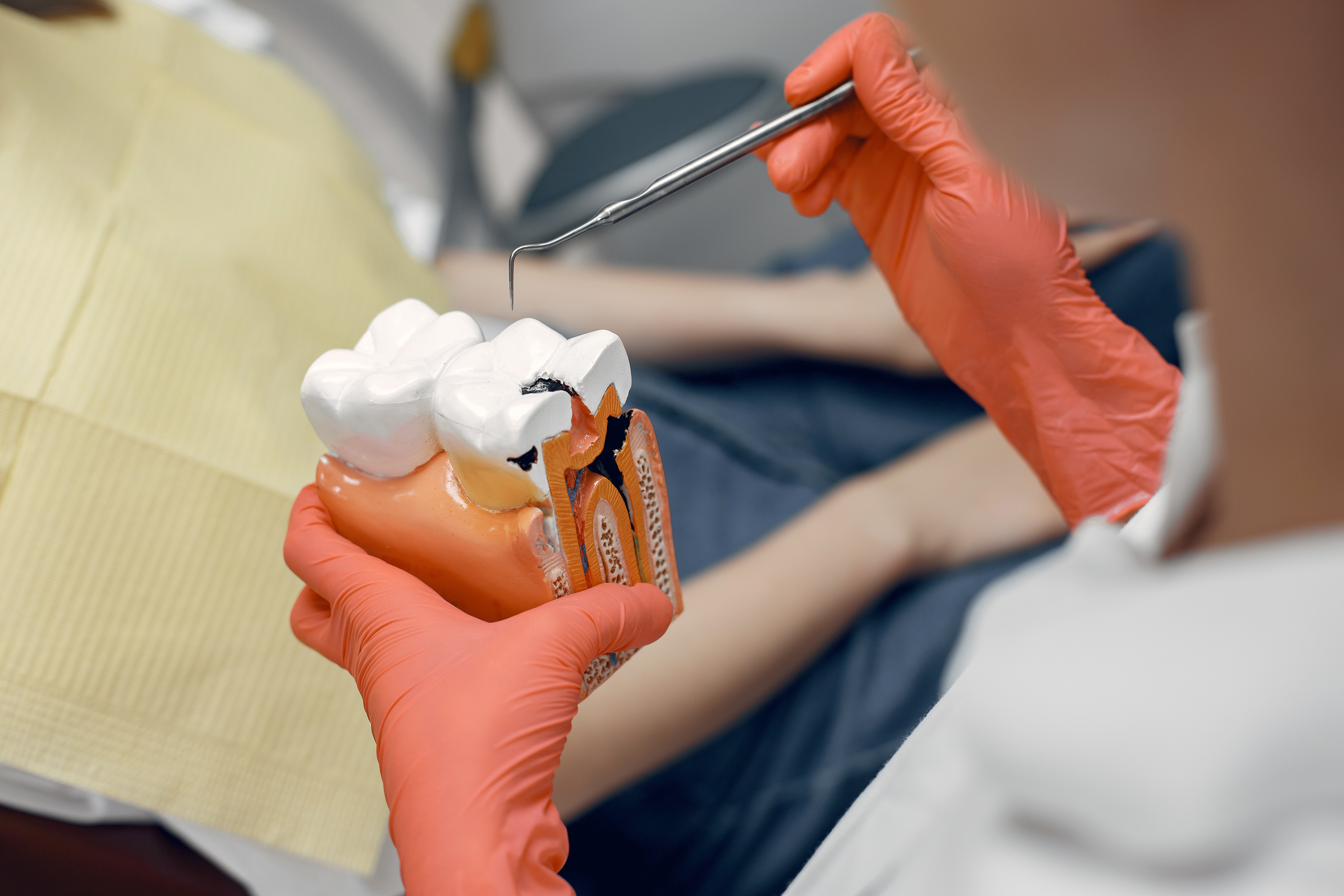
A root canal becomes necessary when the soft tissue inside a tooth, called the pulp, becomes infected or inflamed. This can happen due to:
- Deep decay that reaches the inner part of the tooth
- A crack or chip that exposes the pulp to bacteria
- Repeated dental procedures on the same tooth over time
Left untreated, an infected tooth can lead to more serious issues, including abscesses or the eventual loss of the tooth. A root canal removes that infected tissue so the tooth can be saved rather than extracted.

What Makes an Endodontist Different From a General Dentist for This Procedure?
While general dentists can perform root canals, an endodontist in Encino specializes specifically in this area. That specialization typically means:
- Extra years of training focused on the inside of the tooth and root structures
- Advanced imaging tools to spot complex canal shapes or hidden infections
- More experience with difficult or unusual cases
For straightforward cases, a general dentist may handle treatment directly. For teeth with curved roots, multiple canals, or a case that isn't responding as expected, a referral to an endodontist is common.
What Actually Happens During a Root Canal Procedure?
The procedure follows a fairly consistent process:
- Local anesthesia numbs the tooth and surrounding area completely.
- The infected or damaged pulp is carefully removed from inside the tooth.
- The empty space is cleaned, shaped, and sealed to prevent future infection.
Most root canals take around 60 to 90 minutes, depending on the tooth and how many canals it has. Many patients are surprised at how similar it feels to getting a routine filling.
What Should You Expect in the Days After Treatment?
Some mild soreness or sensitivity is normal for a few days following a root canal. To manage this:
- Take over-the-counter pain relievers as recommended
- Stick to soft foods until sensitivity settles down
- Avoid chewing directly on the treated tooth until it's fully restored
If pain worsens instead of improving, or you notice swelling that doesn't go down, it's worth contacting your endodontist in Encino to make sure everything is healing as expected.
Why Does a Tooth Usually Need a Crown After a Root Canal?
Once the infected tissue is removed, the tooth is more prone to cracking since it no longer has its original blood supply. A crown helps by:
- Covering and protecting the tooth from everyday chewing pressure
- Restoring the tooth's natural shape and appearance
- Extending the life of the treated tooth significantly
Not every root canal requires a crown, smaller teeth with less structural damage sometimes only need a filling. Your dentist or endodontist will confirm which option fits your specific tooth.
Conclusion
Root canals have a reputation that doesn't really match the modern experience, and putting off treatment out of fear of pain often causes more problems than it solves. If you're dealing with a persistent toothache or have been referred for treatment, an endodontist in Encino can walk you through exactly what your procedure will involve. Reach out to Clove Dental to schedule a consultation and get the pain-free care you actually need.
FAQs
How long does root canal recovery take?
Most people feel back to normal within a few days, though full healing of surrounding tissue can take a bit longer.
Can I go to work the same day as my root canal?
Many patients return to normal activities the same day, though it's wise to avoid strenuous activity right after the procedure.
Is a root canal cheaper than getting the tooth pulled?
Costs vary, but saving a natural tooth with a root canal is often more cost-effective long-term than extraction and replacement.
How do I know if I need a root canal instead of a filling?
If decay or damage has reached the inner pulp of the tooth, a filling alone won't resolve the issue, and a root canal becomes necessary.
Will my tooth still function normally after a root canal?
Yes, once restored with a crown or filling, a treated tooth typically functions just like any other tooth.