.png?width=80&height=80&name=Clove%20Dental%20White%20Small%20(28).png "Clove Dental White Small (28)")
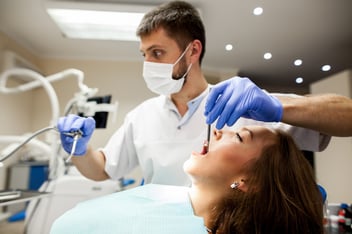
Electric toothbrushes are potentially good, yet they have actual disadvantages such as being more expensive, over-brushing, large size, and battery-dependent. They do not suit all, particularly those who have sensitive gums or have a tight budget. No matter what kind of brush you are using, professional teeth cleaning in Santa Monica should be regular in order to achieve full oral health.
Key Takeaways
- The initial cost of electric tooth brushes is much higher and it involves continued expenditure in changing heads and charging.
- The improper use of an electric brush like application of excessive pressure may lead to gum recession and enamel wear.
- They do not always work with all; children, users of dental appliances, or those with sensitive gums might be better off with manual options.
- Electric toothbrushes are more cumbersome and difficult to carry around as well as to use in normal everyday life due to battery dependence and larger size.
- Irrespective of the kind of brush used, professional cleaning of the teeth in Santa Monica cannot be replaced to remove all the plaque and detect issues at an early stage.
Is an electric toothbrush really better or is it just a more expensive way to brush? It's a question we hear often in our clinic and the honest answer might surprise you.
Electric toothbrushes are often promoted as an excellent upgrade of manual brushing. In certain instances, they may be. But being a dental professional we think it is also important to discuss where they fail. Being aware of the constraints will make you make a more intelligent choice and make sure that you are not using technology as an alternative to good technique and regular professional attention.
At Clove Dental, we assist the patients in Santa Monica to go through the very questions like these. We shall first consider what the research and clinical practice say of the true disadvantages of electric toothbrushes.
How Electric Toothbrushes Work
Electric toothbrushes move the brush head automatically by oscillating, rotating or sonic vibration technology. This saves the user manual work, and can provide more brush strokes per minute than hand brushing.
Although these mechanisms have the potential to enhance plaque removal when properly applied, they also add a new dimension of variables, such as pressure level, charging frequency, replacement of head, etc. that are not available with manual brushes. The additional features, that is, may imply additional possibilities to make a mistake.
Common Drawbacks of Electric Toothbrushes
Higher Cost
Quality electric toothbrushes may range between $30 and above 200. These are replacement heads, which need to be changed after three months, similar to a manual brush, increasing the cost. This can be a real obstacle to families or financially-conscious patients. A correctly applied handheld toothbrush will provide outstanding results at a tiny fraction of the cost.
Over-Brushing or Excess Pressure
This is the issue we bring up more frequently in the clinic. Patients think that all the work is done by the vibration and this is where the damage starts as their pressure intensifies. Over brushing with an electric brush can also cause gum recession and enamel stripping faster than it would otherwise do with manual brushing. Some models include pressure sensors, but not all users pay attention to them.
Not Ideal for Everyone
Some patients actually perform better using a manual brush. Learning to brush, young children can have the advantage of learning to operate a hand first. Electric brushes might be inconvenient to patients who have braces, retainers, or other orthodontic devices. And those who have hypersensitive gums tend to be uncomfortable with the vibration.
Dependence on Charging or Batteries
An electric toothbrush that's out of charge is effectively useless. Leaving it behind before a trip or running out in between routine is a way of breaking your brushing habit. The battery-powered ones must be changed on a regular basis and the rechargeable ones must have an outlet available to them, a little inconvenience but still very insignificant to a constant traveler.
Bulky Design
Electric toothbrushes are more cumbersome and difficult to use in tight areas especially on the back molars. The size and weight are truly uncomfortable to some patients with smaller mouths, limited jaw opening or dexterity issues. To such persons, a small manual toothbrush with soft bristles can actually be more effective in providing coverage.
Can Electric Toothbrushes Damage Teeth or Gums?
Yes and here is a significant conversation to be held. The brush is not in itself bad and its misuse can be. The most prevalent type of damage we observe is gum recession due to rough brushing. By using excessive pressure using a fast moving electric head, the gum tissue is worn away with time. This may be hard to undo.
Another issue is enamel erosion, especially in patients with weakened enamels due to acidic diets or grinding. In case of an existing diagnosis of either of these issues, we will suggest that you talk about your brushing instruments with your dentist and switch to electric.
Electric vs Manual Toothbrush: What Really Matters
This is our advice to all the patients: the most effective toothbrush is the one that you use right and every time. Comparative studies of electric toothbrushes against manual toothbrushes reveal that both can have superior plaque removals in cases where the technique is appropriate. Electric brushes have a slight advantage of plaque removal in individuals who have trouble with technique, however, once a manual brush is properly applied this advantage is lost.
The important thing is technique, time (at least two minutes) and frequency (three times a day) rather than the type of the brush, whether it is electric or manual.
When an Electric Toothbrush May Not Be the Best Choice
In cases where an Electric Toothbrush is not the best.
Consider sticking with or switching back to a manual toothbrush if-
- You have a history of enamel sensitivity or gum recession.
- You have braces or a retainer or some dental appliance.
- You or your child have difficulty in controlling brushing pressure.
- You have a busy schedule and often travel.
- Budget is a real issue to your family.
In each of these cases, a soft-bristle manual toothbrush with the correct technique is a safe, effective and inexpensive alternative.
Role of Professional Teeth Cleaning in Santa Monica
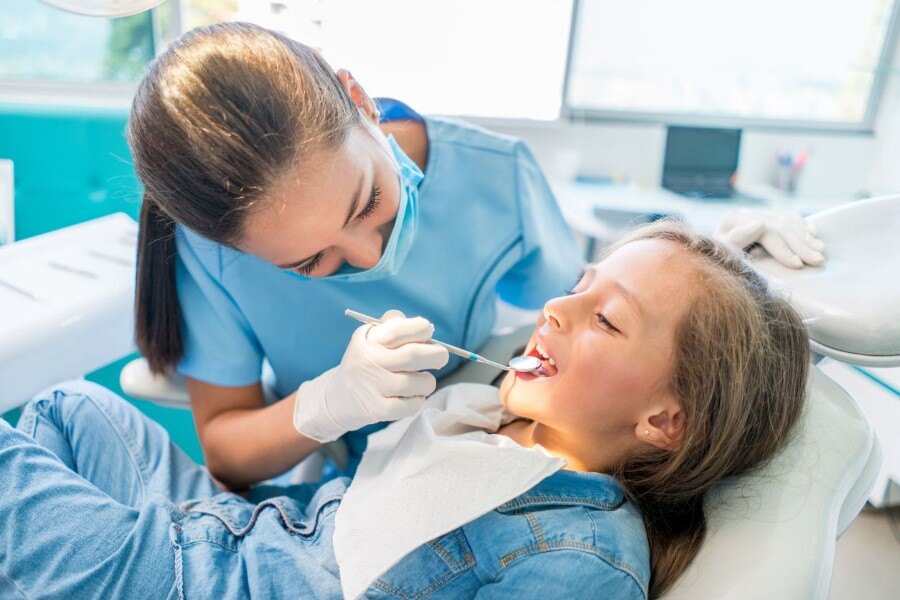
The following is something which we want every patient to comprehend clearly: no toothbrush, whether electric or manual, can remove tartar when it has hardened. This is because the buildup of tartar, which starts off as soft plaque, can only be removed using professional dental tools. That is why getting professional teeth cleaning in Santa Monica is a must, no matter how well you brush at home.
In Clove Dental, our professional teeth cleaning in Santa Monica is more than what any toothbrush can do. We take off calculus deposits, polish enamel surfaces, examine early decay or gum disease, and provide you with individualized brushing instruction, according to your individual oral anatomy.
Professional cleanings should be every six months, with more frequent cleaning of patients with active gum disease or at higher risk of cavities. Consider it a reformat your toothbrush can never do.
Conclusion
Electric toothbrushes aren't the enemy but they aren't a guaranteed upgrade either. Their high price, risk of misuse, and design constraints imply that they are not the optimal choice with every patient. The most important thing is regular, proper brushing with a brush that is suitable to your mouth and lifestyle.
And no matter your brush selection, professional teeth cleaning in Santa Monica is the foundation of a healthy smile. At Clove Dental, we are here to ensure that your at-home care and professional care work in harmony with each other.
Ready to take better care of your teeth? You can book your professional cleaning in Clove Dental today and we can show you the tools and habits that will keep your mouth healthy.
FAQs
Are electric toothbrushes better than manual ones?
Not necessarily. They both perform very well when applied. Electric brushes have a minor benefit over those who have difficulty with the brushing technique, although a properly used manual brush can be equally useful with the majority of patients.
Can electric toothbrushes damage gums?
Yes, when over-used. Rather forceful brush strokes using an electric brush might hasten the process of gum recession. This risk can be reduced to a minimum by using light pressure, a soft brush head, and a correct technique.
Are they worth the cost?
It is based on your brushing habits and requirements. The investment is worth the money to those patients who dislike technique or who have been recommended to use one by their dentist. A good manual toothbrush will give similar results at a much lower price to regular brushers with good technique.
How often should I replace the brush head?
After every three months just replace a manual toothbrush. Splayed or worn bristles are less effective in cleaning, and may cause irritation to gum tissue. In case your bristles are frayed within three months, you have been brushing too hard.
Do I still need professional teeth cleaning in Santa Monica?
Absolutely. There is no toothbrush that will remove tartar or access the parts that are under the gum line as professional tools do. Periodic professional cleaning of your teeth in Santa Monica at Clove Dental is necessary to identify early issues, eliminate hard deposits and maintain your gums in good health in the long term.