.png?width=80&height=80&name=Clove%20Dental%20White%20Small%20(28).png "Clove Dental White Small (28)")
Preventive care identifies dental issues before they become a serious problem are painful and are inexpensive to treat. Clove Dental's approach to Encino dentistry is to always take preventive measures and early intervention to ensure that small problems do not become big emergencies.
Key Takeaways
- Preventive visits catch decay, gum disease and bite problems long before you'd notice symptoms on your own.
- A preventive appointment includes a cleaning, exam, X-rays when needed and a review of your risk factors.
- Home brushing and flossing can't reach everything which is why professional cleanings still matter even with great habits.
- Skipping preventive visits is one of the biggest reasons small dental problems turn into costly emergencies.
- Clove Dental's Encino dentistry approach is built around catching problems early rather than just treating them after the fact.
Do you only think about the dentist when something hurts? That is actually backwards and it's the exact habit preventive care is meant to fix. The whole point of a routine visit is to catch problems before they cause pain, not after. At Clove Dental, our Encino dentistry team builds every preventive visit around exactly that idea, spotting small issues while they're still simple to treat.
What Problems Can a Routine Dental Visit Catch Before You Notice Them?
Most dental problems don't announce themselves early. Decay between teeth, the early stages of gum disease, and cracks under old fillings can all sit quietly for months without any pain at all. By the time you actually feel something, the problem has usually already progressed past its easiest and cheapest stage to treat.
A routine visit is designed to catch exactly this kind of thing. Trained eyes, X-rays, and periodontal measurements pick up on changes you'd have no way of noticing yourself. That's really the core value of preventive care, catching what your own senses can't.

What Actually Happens During a Preventive Visit at Clove Dental?
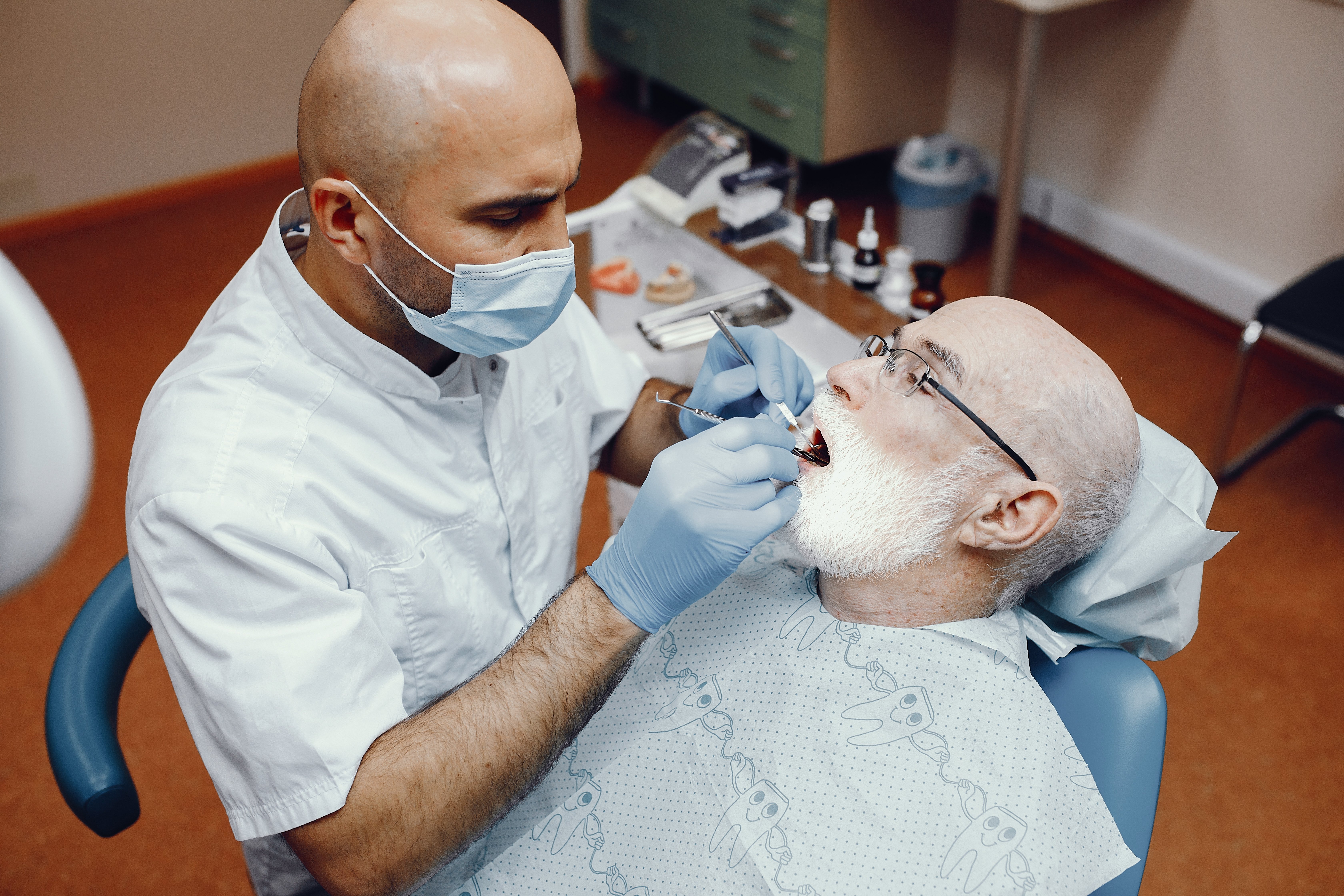
A preventive visit isn't just a quick cleaning and out the door. It starts with a professional cleaning to remove plaque and tartar buildup that brushing alone can not tackle. Followed by a full exam checking your teeth, gums and bite. X-rays are taken on a schedule based on your risk level, since they reveal decay and bone changes that aren't visible otherwise.
Our Encino dentistry team also reviews your specific risk factors, things like grinding, dry mouth, diet, or a family history of gum disease, and adjusts recommendations accordingly. It's not a one-size-fits-all checklist. Someone prone to cavities gets a different plan than someone whose main risk is gum recession.
Why Can Brushing at Home Still Leave Problems Behind?
Even a solid brushing and flossing routine has blind spots. Toothbrushes can't reach deep into gum pockets, and floss only gets you so far between tightly spaced teeth. Tartar, once it hardens, can't be removed at home at all, no matter how good your technique is.
There's also the issue of what you can't see. You might be brushing perfectly and still have early decay forming between two molars, simply because that spot isn't visible or reachable with a toothbrush. This is exactly why professional cleanings and exams stay necessary even for people with genuinely good home habits.
How Does Preventive Care Stop a Small Dental Problem From Becoming an Emergency?
Most dental emergencies trace back to something that was small and manageable at one point. A tiny cavity left untreated eventually reaches the nerve and turns into a painful infection. Early gum disease, if ignored, progresses to bone loss that's much harder and more expensive to reverse.
Preventive visits interrupt that progression. Catching a cavity while it's still small means a simple filling instead of a root canal. Catching gum disease early means a deep cleaning instead of surgery. The math is pretty simple: earlier treatment is smaller, cheaper, and a lot less painful.
Which Symptoms Shouldn't Wait Until Your Next Cleaning?
Preventive care doesn't mean ignoring symptoms between visits. Persistent sensitivity to hot or cold, bleeding gums that don't improve with better brushing, a tooth that suddenly feels loose, or any swelling should all be checked out right away rather than waiting for your next scheduled cleaning.
Pain that wakes you up at night or gets worse over a few days is another sign not to sit on. These symptoms usually mean something has already moved past the early, easily manageable stage, and waiting only gives it more time to get worse.
What Makes Clove Dental's Preventive Approach Practical for Encino Patients?
Preventive care only works if it actually fits into people's lives and that is something we take seriously in our Encino dentistry practice. Flexible scheduling, clear explanations of what we find and why it matters, and realistic recommendations based on your actual risk level, not a generic checklist, all make it easier to stay consistent with visits.
We also try to make the connection between prevention and cost obvious. A cleaning and exam twice a year is a fraction of the cost, time, and discomfort of dealing with a dental emergency. For most of our Encino dentistry patients, once they see that pattern play out, sticking with regular visits becomes an easy decision.
Conclusion
A healthy smile isn't really about avoiding the dentist, it's about seeing one regularly enough that small problems get caught before they turn into bigger ones. That's the whole philosophy behind preventive care, and it's the foundation of how we practice Encino dentistry at Clove Dental. If it's been a while since your last cleaning and exam, now's a good time to get back on schedule before something small has the chance to become something painful.
FAQs
How often should I schedule a preventive dental visit?
Most patients benefit from a cleaning and exam every six months, though some with higher risk factors may need more frequent visits.
Is preventive care really cheaper than just waiting until something hurts?
Yes, almost always. Treating a small cavity costs far less than a root canal, and a routine cleaning costs far less than treating advanced gum disease.
What's included in a typical preventive visit at Clove Dental?
A professional cleaning, a full exam of teeth and gums, X-rays when appropriate, and a personalized review of your risk factors and recommendations.
Can good brushing and flossing replace professional cleanings?
No. Home care is essential but it can not remove hardened tartar or reach every spot between teeth and below the gumline that a professional cleaning addresses.
What symptoms mean I shouldn't wait for my next scheduled cleaning?
Persistent pain, bleeding gums, a loose tooth or swelling all warrant an earlier visit rather than waiting for your next routine appointment.