.png?width=80&height=80&name=Clove%20Dental%20White%20Small%20(28).png "Clove Dental White Small (28)")
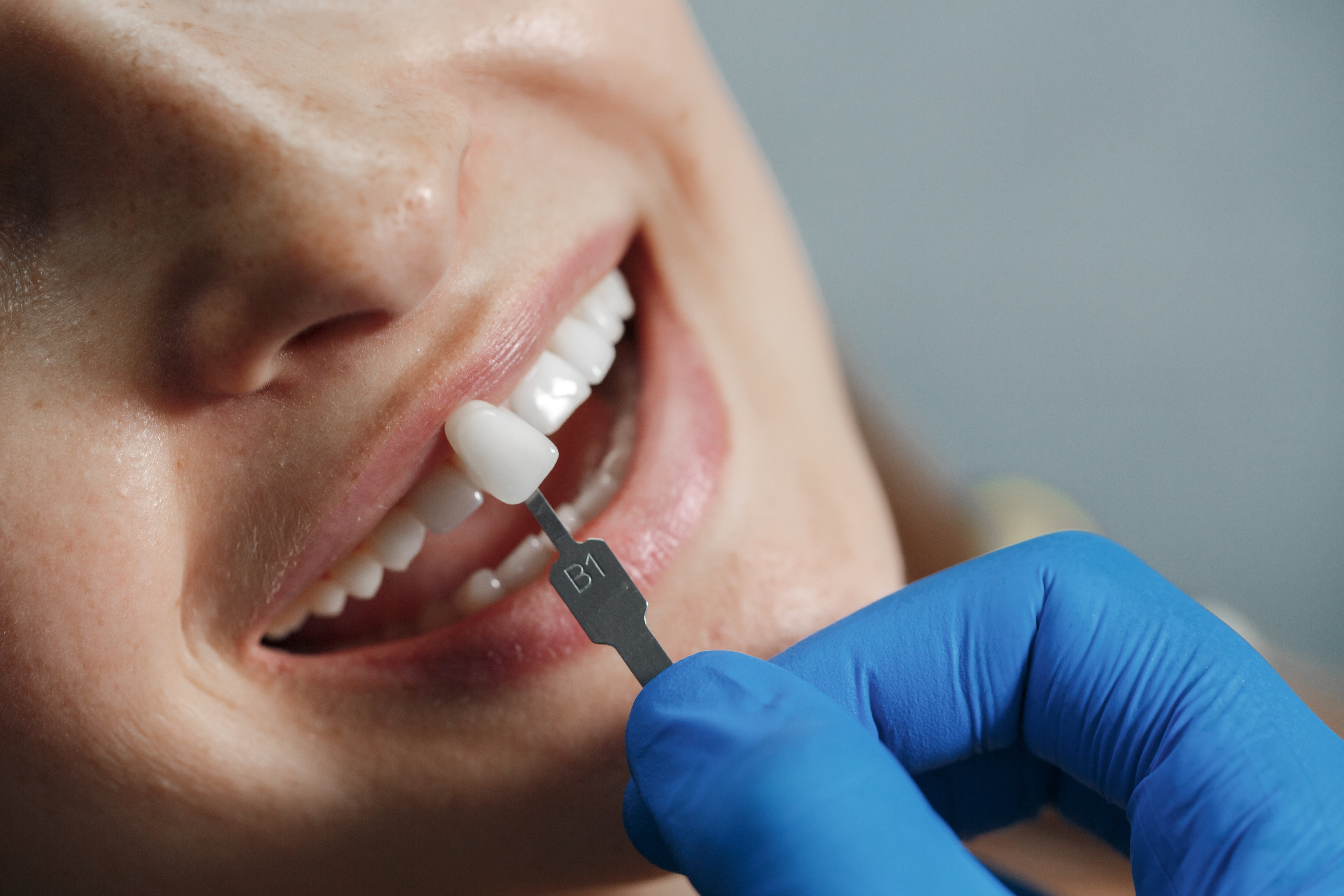 Porcelain veneers are thin custom shells bonded to the front surface of teeth to correct discoloration, chips, minor misalignment, gaps and uneven shape. They're particularly effective for staining that whitening can't address, such as tetracycline discoloration or fluorosis. The most important factor in how natural veneers look isn't the porcelain brand, it's the planning that happens before any tooth is touched.
Key Takeaways
- Porcelain veneers correct discoloration, chips, minor spacing issues and uneven tooth shape but they aren't the right solution for everyone.
- The most common veneer mistake isn't choosing the wrong shade, it's choosing a size and proportion that doesn't fit the patient's face.
- A thorough consultation should include a mockup or digital preview so you can evaluate proportions before any permanent tooth preparation begins.
- Natural-looking results depend on the planning process, not just the quality of the porcelain.
Are you considering veneers but not sure whether they're the right fit for what you want to change about your smile? Most people who ask about veneers are motivated by a specific concern: staining that won't budge with whitening, a chipped front tooth or a smile that looks slightly uneven. The good news is that porcelain veneers are genuinely effective at solving those problems. The part that requires more thought is whether they're the right solution for your specific situation and what the planning process should actually involve.
At Clove Dental, porcelain veneers in Camarillo start with a consultation built around your particular smile picture, not a standard package. Here's what to expect from a well-approached veneer process.

Why More People Want Veneers But Fewer Actually Need a Full Smile Makeover
Interest in veneers has grown significantly over the past decade, partly because before-and-after results circulate widely online and partly because more patients understand that there are solutions beyond whitening for cosmetic dental concerns. What the online conversation skips is that the most dramatic-looking cases where someone's entire smile is transformed with eight or ten veneers represent a specific need that not every patient has.
Many patients come in asking about veneers and genuinely only need two or four, targeting the specific teeth that bother them. Some patients who inquire about veneers would actually be better served by whitening combined with a single restoration on one problematic tooth.
The Smile Concerns Porcelain Veneers Solve Best and the Ones They Don't
Veneers are particularly well suited for permanent, intrinsic staining that professional whitening can't reach. Tetracycline antibiotic staining from childhood, fluorosis and discoloration caused by a tooth that died following trauma are all cases where whitening has limited effectiveness and veneers can make a dramatic difference.
What veneers don't solve: significant bite misalignment, severely crowded teeth that need substantial repositioning or teeth with extensive structural damage that would be better served by a crown. Placing veneers over a bite problem doesn't correct the bite and shortens veneer lifespan as uneven forces work against the restorations.
The Biggest Veneer Mistake Isn't Choosing the Wrong Shade
Shade is what most people focus on but the more consequential decision is proportion. Teeth that are too long, too wide or too square for a patient's face are noticeable in a way that shade rarely is. The "chiclet" appearance most people associate with bad veneers comes from a size decision rather than a color one.
Teeth have natural proportions relative to lip line, smile width and face shape. Veneers that replicate those proportions rather than applying a standard size across the case, look like improved natural teeth rather than replacements.
Why Natural-Looking Veneers Depend More on Planning Than Porcelain
Most major dental labs work with comparable porcelain materials. What differentiates a result that looks like natural teeth from one that looks done is the information given to the lab before fabrication begins, shade variation across the smile, the level of translucency at the incisal edges, surface texture and the detailed shape specifications for each individual tooth.
These nuances are communicated through the relationship between the dentist and the ceramist and through documentation that reflects what was observed in the patient's mouth rather than a generic prescription.
How Long Should You Expect Veneers to Last And What Shortens Their Lifespan?
With proper care, porcelain veneers realistically last between 10 and 15 years and some patients keep them in excellent condition longer. The porcelain itself doesn't stain and doesn't decay but the tooth beneath the veneer can still develop problems and the bonded margin where the veneer meets the tooth can be vulnerable to recurrent decay if oral hygiene isn't maintained.
The factors that most reliably shorten veneer lifespan are teeth grinding or clenching during sleep, biting into very hard foods directly with veneered front teeth, and inconsistent dental maintenance that allows issues to develop at the margin before they're caught. Patients with bruxism who want veneers should discuss a night guard as part of the treatment plan from the start.
Conclusion
Porcelain veneers are one of the most effective cosmetic dental treatments available, when they're chosen for the right reasons, designed with genuine attention to proportion and detail and placed by a provider who treats planning as the most important part of the process.
At Clove Dental, every veneer consultation is built around your specific smile, what bothers you, what would actually change it and how to design a result that looks like you at your best rather than a generic cosmetic outcome. Book your consultation for porcelain veneers in Camarillo at clovedds.com and start with a real plan.
FAQs
How many veneers do I actually need?
This depends on which teeth are visible in your smile and which ones are causing the concern. Many patients need only two to four veneers on the specific teeth that bother them, rather than a full set.
Can veneers be removed if I change my mind?
Veneers require permanent removal of a thin layer of enamel during preparation which means the tooth will always need some form of restoration afterward. This is why the planning stage and being confident in the decision before preparation begins matters so much.
How do I maintain porcelain veneers long-term?
Normal brushing and flossing, avoiding biting directly into very hard foods with veneered front teeth and regular professional cleanings are the main maintenance requirements. Patients who grind their teeth should wear a night guard.

.jpg?width=352&name=image(1126).jpg)
.jpg?width=352&name=woman-patient-dentist%20(12).jpg)