.png?width=80&height=80&name=Clove%20Dental%20White%20Small%20(28).png "Clove Dental White Small (28)")
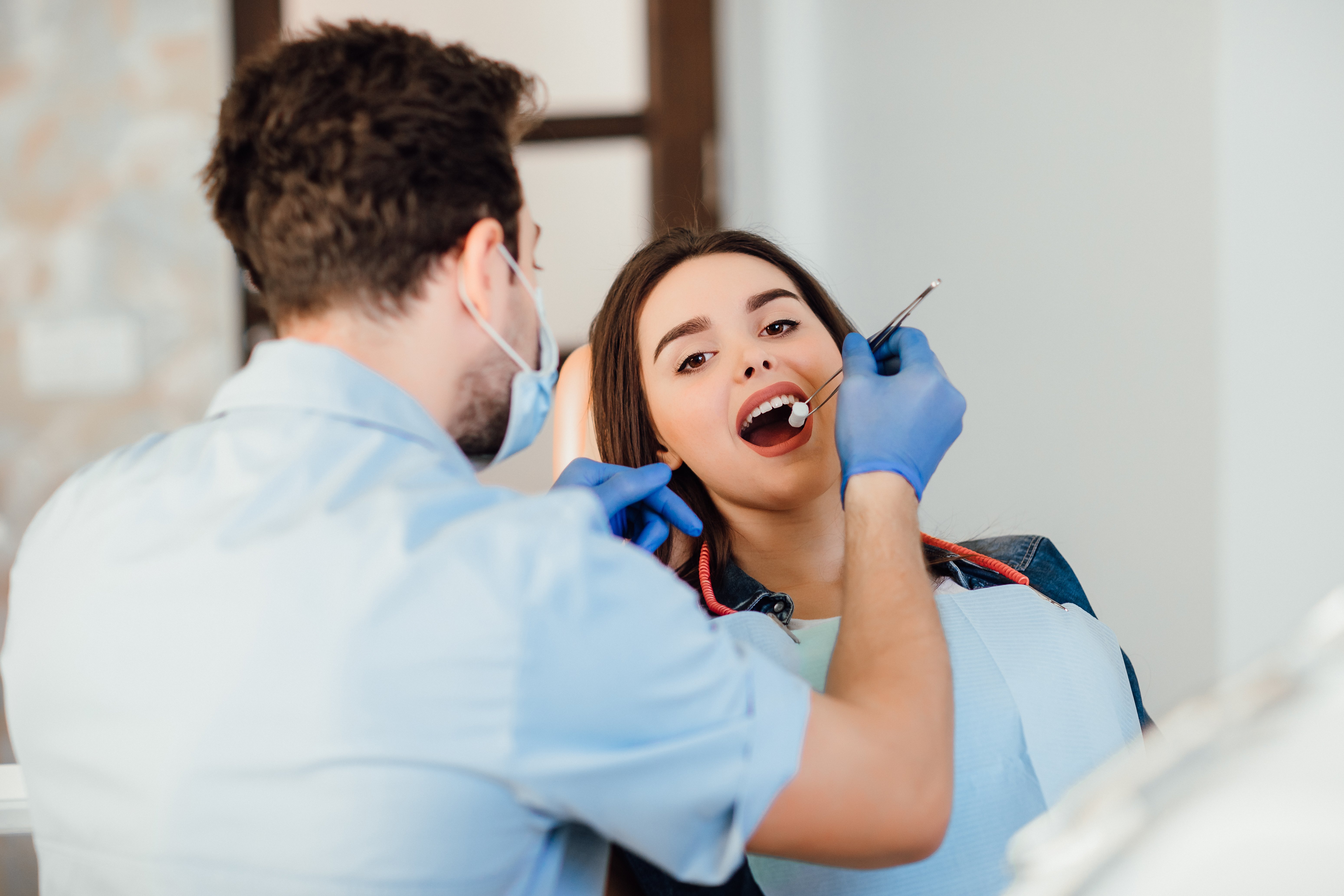
Medications, dehydration or some health conditions are responsible for reducing saliva production, which is responsible for persistent dry mouth. Unfortunately, saliva helps protect teeth from decay, so a dentist in Oxnard can assist in determining the cause and preventing further damage to your teeth.
Key Takeaways
- Dry mouth is about saliva production, not just how much water you drink.
- Some symptoms of dry mouth show up in places you wouldn't expect.
- Drinking more water doesn't always fix dry mouth if the cause is elsewhere.
- Reduced saliva can lead to a noticeable increase in cavities over time.
- Treatment depends entirely on identifying what's actually causing it.
Do you keep reaching for water but your mouth still feels dry an hour later? That's a sign the issue isn't hydration at all. Dry mouth, known clinically as xerostomia, happens when saliva production drops and no amount of water fully replaces what saliva actually does for your mouth.
This matters more than people realize, since saliva plays a direct role in preventing cavities and gum irritation. If dry mouth has been sticking around, a dentist in Oxnard can help figure out what's behind it instead of just treating the symptom.
Is Your Mouth Actually Dry or Are You Just Thirsty?
Thirst and dry mouth can feel similar, but they're not the same thing. Thirst resolves within minutes of drinking water. Dry mouth caused by reduced saliva production tends to linger, sometimes even right after a full glass of water.
A useful way to tell the difference is by noticing whether your mouth feels dry even when you're not thirsty overall, especially first thing in the morning or during conversation. That pattern points toward a saliva issue rather than simple dehydration.

The Strange Things You Start Noticing When Saliva Isn't Doing Its Job
Saliva does more than keep your mouth comfortable. When production drops, a few less obvious symptoms tend to show up-
- A sticky or stringy feeling in the mouth, especially at night.
- Difficulty swallowing dry foods like crackers or bread.
- A change in how food tastes.
- Cracked lips or a dry, rough tongue.
- Bad breath that doesn't improve with brushing.
- These symptoms are easy to dismiss individually but together they usually point to reduced saliva flow rather than a handful of unrelated issues.
Why Your Mouth Can Stay Dry Even When You're Drinking Plenty of Water
Dry mouth often has nothing to do with how much water you're drinking. Certain medications, including some for allergies, blood pressure and depression, list dry mouth as a common side effect. Even if your mouth is moist, breathing through your mouth, particularly while sleeping, may lead to dry mouth.
A number of health issues directly impact the salivary glands and cause a decrease in saliva production regardless of your hydration level. That is why it's important to speak to a dentist in Oxnard if you are still experiencing dry mouth after drinking adequate water instead of simply drinking more water.
Why Are My Teeth Suddenly Getting More Cavities?
Saliva does a lot of quiet, unnoticed work protecting your teeth. It washes away food particles, neutralizes acid from bacteria and helps deliver minerals that keep enamel strong. When saliva production drops, that protection drops with it, even if your brushing habits haven't changed at all.
This is one of the more surprising effects of dry mouth. Patients who've had healthy checkups for years sometimes start seeing new cavities once saliva flow decreases which is the first clue that something has changed beyond just oral hygiene.
Treating Dry Mouth Means Treating the Reason Behind It
Because dry mouth has so many possible causes, treatment varies depending on what's actually behind it. Options might include-
- Adjusting a medication with your physician if it's a known side effect.
- Using a saliva substitute or specialized dry mouth rinse.
- Treating mouth breathing, especially related to sleep.
- Increasing fluoride protection to offset reduced natural cavity defense.
Masking the discomfort with sips of water throughout the day can help short term but it doesn't address why saliva production dropped in the first place.
What Can You Do Today While You Figure Out What's Causing It?
A few habits can ease symptoms while you work on identifying the root cause-
- Sip water throughout the day instead of large amounts at once.
- Avoid caffeine and alcohol which can worsen dryness.
- Use a humidifier at night if mouth breathing is a factor.
- Chew sugar-free gum to stimulate saliva flow.
These steps won't solve an underlying cause on their own but they can make daily discomfort more manageable while you get a clearer answer.
Conclusion
Dry mouth is more than an annoying feeling, it's a sign that saliva isn't doing the protective work it's supposed to which can lead to real dental problems over time. If water alone isn't fixing it, that's worth paying attention to rather than ignoring. Our team at Clove Dental in Oxnard can help pinpoint the cause and put together a plan to protect your teeth while you address it.
FAQs
Is dry mouth just a minor annoyance?
Not necessarily. Ongoing dry mouth may lead to cavities and gum irritation with the passage of time.
Can medications really cause dry mouth?
Yes, it's a common side effect of many medications, including some for allergies and blood pressure.
Does drinking more water always fix dry mouth?
If it's due to low saliva production, not necessarily. If so, water can only do so much in the short-term.
Can dry mouth increase my risk of cavities?
Yes, saliva can help neutralize acids and clear away bacteria that cause tooth decay.
.jpg?width=352&name=girl-dentists-office-dentist-examining-child-patients-teeth-dentistry-concept%20(7).jpg)