.png?width=80&height=80&name=Clove%20Dental%20White%20Small%20(28).png "Clove Dental White Small (28)")
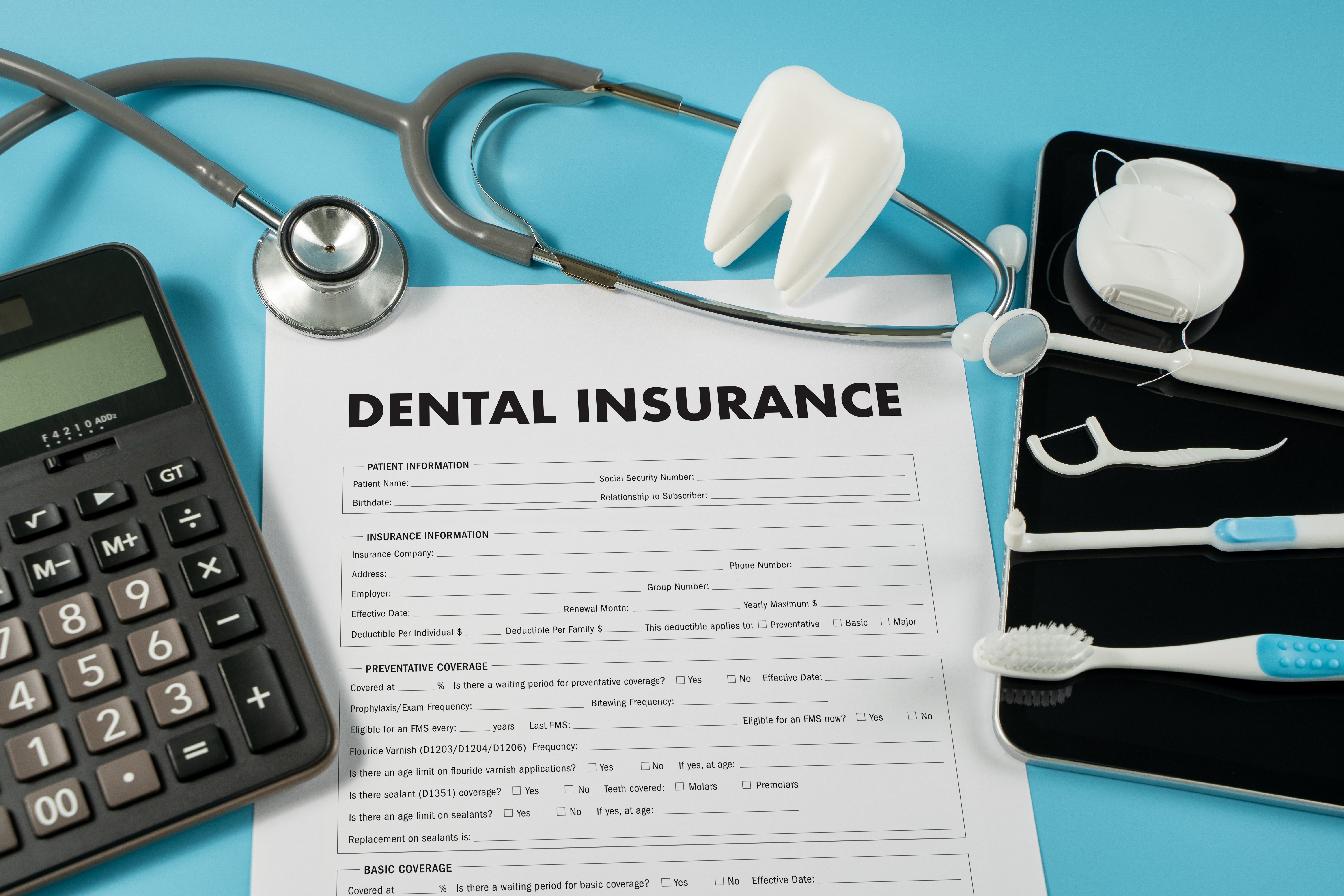
Dental insurance is often worth it even for routine care, since most plans cover preventive visits like cleanings and exams at little to no cost. This helps you stay on track with checkups that catch small issues early, before they turn into more expensive procedures. Plans like Aetna dental insurance are structured to make this ongoing preventive care easier to afford.
Key Takeaways
- Dental insurance makes routine preventive care, like cleanings, significantly more affordable.
- Plans such as Aetna dental insurance typically cover preventive visits at little to no out-of-pocket cost.
- Basic and major procedures are usually covered at a lower percentage than preventive care.
- Staying enrolled continuously can help you avoid waiting periods on bigger procedures.
- Comparing your specific plan's network and coverage details helps you get the most value.
Are you putting off dental care because you're not sure it's worth paying for insurance you might not use much? It's a reasonable question, especially if your teeth feel fine right now.
The short answer: dental insurance tends to pay off even for people who don't expect to need much treatment, mainly because it makes preventive visits far more affordable. Plans like Aetna dental insurance are built around that idea, covering routine checkups generously while helping offset the cost if something more involved comes up.
Why Does Dental Insurance Matter Even If You Rarely Need Treatment?
The biggest value of dental insurance often isn't in covering a major procedure — it's in making routine visits easy enough that you actually keep up with them. Regular checkups help:
- Catch cavities and gum issues before they cause pain
- Avoid the higher costs that come with delayed treatment
- Keep your oral health on track without a financial barrier getting in the way
Plans like Aetna dental insurance are generally structured so preventive visits carry minimal cost, which removes one of the biggest reasons people skip checkups in the first place.

How Does Dental Insurance Typically Cover Different Types of Care?
Most dental insurance plans organize coverage into a few general tiers:
- Preventive care — cleanings, exams, and X-rays, usually covered generously
- Basic procedures — fillings and simple extractions, typically covered at a partial rate
- Major procedures — crowns, root canals, and similar treatments, usually covered at a lower rate
This structure holds true across most providers, including Aetna dental insurance, and is designed to encourage the kind of regular care that prevents bigger issues down the line.
What Should You Check Before Assuming a Procedure Is Covered?
Coverage specifics vary by plan, even within the same provider. Before assuming something is included, it's worth confirming:
- Your plan's specific coverage percentage for that type of procedure
- Whether an annual maximum applies, and how close you are to reaching it
- Any waiting periods tied to major treatments
Your dental office can often help verify these details directly, so you have a clearer sense of expected costs before committing to treatment.
Why Might Staying Continuously Enrolled Matter?
Gaps in dental coverage can sometimes trigger new waiting periods when you re-enroll, particularly for major procedures. Staying continuously enrolled, whether through Aetna dental insurance or another provider, can help you:
- Avoid restarting waiting periods on bigger treatments
- Maintain consistent access to preventive care
- Reduce the risk of unexpected full out-of-pocket costs
If you're switching plans or providers, it's worth checking whether your new plan credits your prior coverage toward any waiting periods.
How Can You Get the Most Value From Your Dental Insurance?
A few habits make a noticeable difference in how much value you actually get from your plan:
- Use your preventive visits fully, since they're often covered at little to no cost.
- Ask your dental office to verify coverage before scheduling bigger procedures.
- Time major treatments around your annual maximum when more than one procedure is needed in the same year.
These steps apply broadly across most dental insurance providers and can meaningfully reduce your out-of-pocket costs over time.
Conclusion
Dental insurance, including plans like Aetna dental insurance, tends to be most valuable when it's used consistently for preventive care rather than saved for emergencies. Staying on top of routine visits is often the simplest way to avoid bigger, more expensive treatment later. Reach out to Clove Dental, and our team can help you understand how your dental insurance applies to your next visit.
FAQs
Does dental insurance cover orthodontic treatment like Invisalign?
Some plans include partial orthodontic coverage, though this varies significantly by provider and plan type.
What happens if my dentist isn't in my insurance network?
You can usually still be seen, though out-of-pocket costs are typically higher than visiting an in-network provider.
Is there a limit to how much dental insurance will pay per year?
Yes, most plans include an annual maximum, after which additional costs become your responsibility.
Do I need to wait before using dental insurance after enrolling?
Some procedures, especially major ones, may have a waiting period, while preventive care is often available right away.
How do I find out exactly what my plan covers?
Reviewing your plan documents, calling your provider, or asking your dental office to run a benefits check are the most reliable ways to confirm coverage.

.jpg?width=352&name=image(86).jpg)