.png?width=80&height=80&name=Clove%20Dental%20White%20Small%20(28).png "Clove Dental White Small (28)")
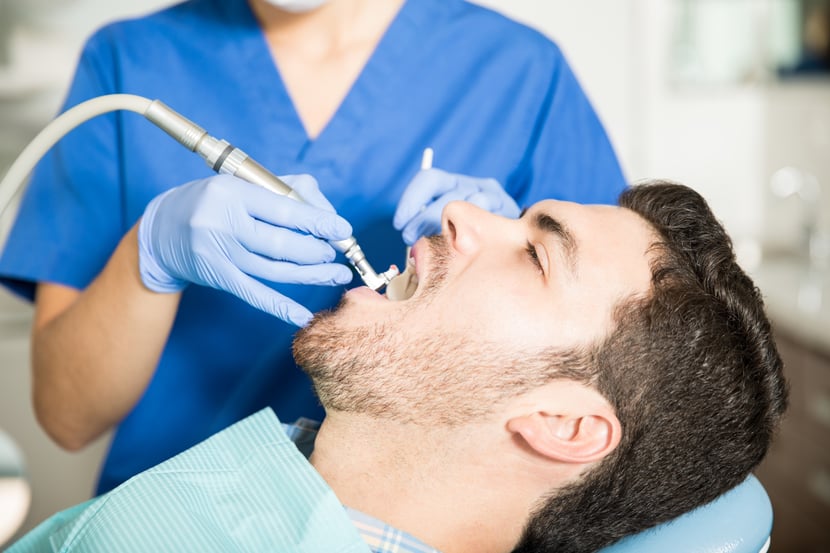 Dry mouth most often occurs during sleep as a result of mouth breathing, dehydration or certain medications. Saliva helps to protect your teeth from cavity-causing bacteria and when it's low, you're at a higher risk of getting cavities. If dry mouth is a common problem, talk with your dentist about it, and have a professional teeth cleaning in Sherman Oaks to help you determine the cause and how to maintain long-term oral health.
Key Takeaways
- Waking up with a dry mouth daily is not just uncomfortable, it can significantly increase your risk of cavities and gum disease.
- Saliva is your mouth's natural defense system; without enough of it, harmful bacteria multiply faster overnight.
- Many common prescription and over-the-counter medications list dry mouth as a side effect and most people never connect it to their dental health.
- Patients with chronic dry mouth may need more frequent teeth cleaning in Sherman Oaks to stay ahead of accelerated plaque buildup.
- Early evaluation by a dental professional is the most effective way to understand what is causing your dry mouth and how to manage it.
Do you roll out of bed every morning feeling like you swallowed a handful of sand? That sticky, parched feeling in your mouth before the first sip of water is something a lot of people brush off as just part of waking up. But if it happens every single day, your body may be trying to tell you something.
At Clove Dental, we hear about this more than you might think. And while dry mouth sounds like a minor inconvenience, it can quietly set the stage for some serious dental problems, including cavities, gum irritation and enamel erosion. The good news is that once you understand what is behind it, there is a lot you can do to manage it. Starting with a conversation at your next teeth cleaning in Sherman Oaks.
Why Does My Mouth Feel So Dry Every Morning?
Saliva production naturally slows down when you sleep. That is completely normal. But for many people, the dryness goes beyond what a glass of water can fix in a few minutes. When dry mouth becomes a daily pattern, it usually points to one or more underlying causes-
- Mouth breathing during sleep is linked to nasal congestion, allergies, or sleep apnea.
- Dehydration, not drinking enough water throughout the day, affects overnight saliva levels.
- Hundreds of common drugs reduce saliva as a side effect.
- Alcohol or caffeine consumption both dehydrates and affects overnight moisture levels.
- Underlying health conditions such as diabetes, Sjögren's syndrome, or autoimmune disorders.
Identifying the root cause is the first step. A dentist who knows your full health history can often connect the dots faster than you would expect.
Is Waking Up With Dry Mouth Normal Or a Sign Something’s Wrong?
Feeling slightly dry in the morning after a full night of rest? Fairly normal. Waking up every day with a mouth that feels parched, sticky, or even slightly sore? That pattern is worth paying attention to.
Occasional dry mouth is common and usually not a concern. Chronic dry mouth, medically called xerostomia, is a different story. It means your salivary glands are consistently not producing enough moisture to keep your mouth healthy.
Left unaddressed, chronic dry mouth creates an environment where bacteria thrive, acid builds up on tooth surfaces, and the protective mineral layer on your enamel gets worn down, all without you feeling any pain until the damage is already done. This is exactly why we bring it up during teeth cleaning in Sherman Oaks appointments. It is one of those things that shows up clearly in the mouth before most people realize it is happening.
Why Saliva Matters More Than Most People Realize
Most people think of saliva as something that helps you chew and swallow food. That is true but it does so much more than that.
Saliva is your mouth's built-in defense system. Here is what it does around the clock-
- Neutralizes acids produced by bacteria after you eat or drink
- Washes away food particles and debris that would otherwise sit on your teeth
- Delivers minerals like calcium and phosphate to help remineralize and strengthen enamel
- Contains antibacterial compounds that slow the growth of harmful bacteria
- Keeps soft tissues comfortable so your gums, tongue, and cheeks stay healthy
When saliva levels drop, even just overnight, all of these protective functions slow down. Bacteria that would normally be rinsed away are free to multiply. Acid that would be neutralized sits on your enamel. By the time you wake up, your mouth has spent hours in a less protected state.
Why Dentists in Sherman Oaks Often See More Cavities in Patients With Dry Mouth
This is one of the most consistent patterns we observe in our patients. People who experience regular dry mouth, whether they mention it or not, tend to show early signs of cavity formation in areas that are otherwise easy to protect with good hygiene.
Here is why: plaque forms in everyone's mouth overnight. But in a well-hydrated mouth, saliva helps dilute and disrupt that plaque. In a dry mouth, plaque sits undisturbed and more concentrated, producing more acid for longer periods of time.
Over months and years, this adds up. We regularly see patients who brush and floss faithfully but still develop cavities and dry mouth is often the missing piece of the explanation.
Scheduling consistent teeth cleaning in Sherman Oaks allows us to catch those early signs before they become fillings, and to give you targeted advice based on how your specific mouth is responding.
Which Medications Commonly Cause Dry Mouth?
This surprises a lot of patients. Dry mouth is one of the most common side effects of prescription and over-the-counter medications and the list is longer than most people expect.
Medications that frequently cause dry mouth include-
- Antihistamines (allergy medications like diphenhydramine)
- Antidepressants and anti-anxiety medications
- Blood pressure medications (especially diuretics and beta blockers)
- Decongestants
- Bladder medications
- Certain pain relievers and muscle relaxants
- Chemotherapy and radiation therapy (particularly radiation near the head or neck)
If you take any of these regularly and wake up with a dry mouth, the two are very likely connected. We never recommend stopping or changing a medication without speaking to your prescribing doctor but knowing about this connection helps us build a better dental care plan for you. This is a conversation worth having at your next teeth cleaning in Sherman Oaks appointment.
Why Dry Mouth Can Make Your Teeth Feel Strange in the Morning
Have you ever woken up and noticed your teeth feel fuzzy, filmy, or slightly rough? That is the feeling of a bacterial film that has built up overnight with less saliva to wash it away.
Some patients also describe a slightly sour or bitter taste first thing in the morning which is the byproduct of bacterial activity and acid sitting on their teeth through the night.
Beyond the sensation, some people with chronic dry mouth notice-
- Increased tooth sensitivity to hot, cold, or sweet foods
- A rough or bumpy texture on the back teeth
- Gum tenderness in the morning
- More frequent bad breath that does not fully resolve after brushing
These are signs that the dry mouth is affecting your teeth and gums in real, measurable ways and that your current routine may need some adjustments.
Why Professional Teeth Cleanings Matter More for Patients With Dry Mouth
At-home brushing and flossing are essential but they have limits. For patients with chronic dry mouth, those limits show up faster.
Tartar, the hardened form of plaque that can only be removed with professional tools, builds up more quickly in a consistently dry oral environment. Once tartar forms, it becomes a surface that holds even more bacteria and irritates the gumline. No toothbrush can touch it.
Professial teeth cleaning in Sherman Oaks does three things that are especially critical for dry mouth patients-
- Reoves tartar buildup that at-home care cannot address
- Gives your dental team a regular baseline to spot changes in your enamel or gum tissue early
- Opens the door to personalized advice, whether that is a prescription fluoride toothpaste, a saliva substitute, or a different brushing technique
For some patients, twice-yearly cleanings are enough. For others with more advanced dry mouth or higher cavity risk, we may recommend visits every three to four months. That is something we determine together based on what we see.
How Clove Dental Evaluates Chronic Dry Mouth and Cavity Risk
When a patient mentions chronic dry mouth or when we observe signs of it during an exam, we do not just note it and move on. Let's take a closer look.
Our evaluation includes-
- Review of medication and health history to look for possible contributing factors.
- By examining the enamel wear patterns, you'll know both the duration and the extent of the damage to your mouth.
- Gum tissue evaluation to look for early indications of irritation/recession.
- Specific recommendations for hydration, specific oral care products or referral back to your doctor if a systemic cause is suspected.
We also discuss tips and tricks such as drinking water frequently during the day, using a humidifier at night or switching to an alcohol-free mouthwash that will not cause further dryness to the tissues.
The goal is not just to clean your teeth. It is to help you understand what is happening in your mouth and give you real tools to change it.

Conclusion
A dry mouth every morning might feel like a small thing. But for your teeth and gums, it can add up to significant damage over time especially when it goes unaddressed year after year.
Saliva is not optional. It is one of your body's most important defenses against cavities, gum disease, and enamel erosion. When it is consistently low, your teeth need more support, not less.
At Clove Dental, we take dry mouth seriously because we see what it does to our patients' smiles over time. Whether your dry mouth is caused by medication, sleep habits, hydration, or something systemic we can help you figure it out and build a care plan that protects your teeth for the long run.
Ready to talk about what your morning dry mouth might mean for your oral health? Book your teeth cleaning in Sherman Oaks today at clovedds.com and let us take a closer look.
FAQs
Is waking up with a dry mouth every day a medical concern?
It can be. Mild dryness in the mouth can happen during the morning but if dry mouth is experienced each day it could be a sign of dehydration, side effects of medication, mouth breathing or a medical condition. Dentists or doctors can assist in determining the cause.
Can dry mouth cause cavities even if I brush twice a day?
Yes. Brushing removes plaque but saliva neutralizes acid and provides minerals that protect enamel around the clock. Without enough saliva, cavities can develop even with consistent brushing and flossing.
How does teeth cleaning in Sherman Oaks help with dry mouth?
Professional cleanings remove tartar buildup that occurs faster in dry mouth patients, allow early detection of enamel or gum changes and give your dental team the opportunity to recommend targeted products and care strategies.
What can I do at home to manage dry mouth overnight?
Drinking water before bed, using a humidifier, avoiding alcohol and caffeine in the evening and switching to an alcohol-free mouthwash can all help. Your dentist may also recommend a prescription fluoride toothpaste or saliva substitute.