.png?width=80&height=80&name=Clove%20Dental%20White%20Small%20(28).png "Clove Dental White Small (28)")
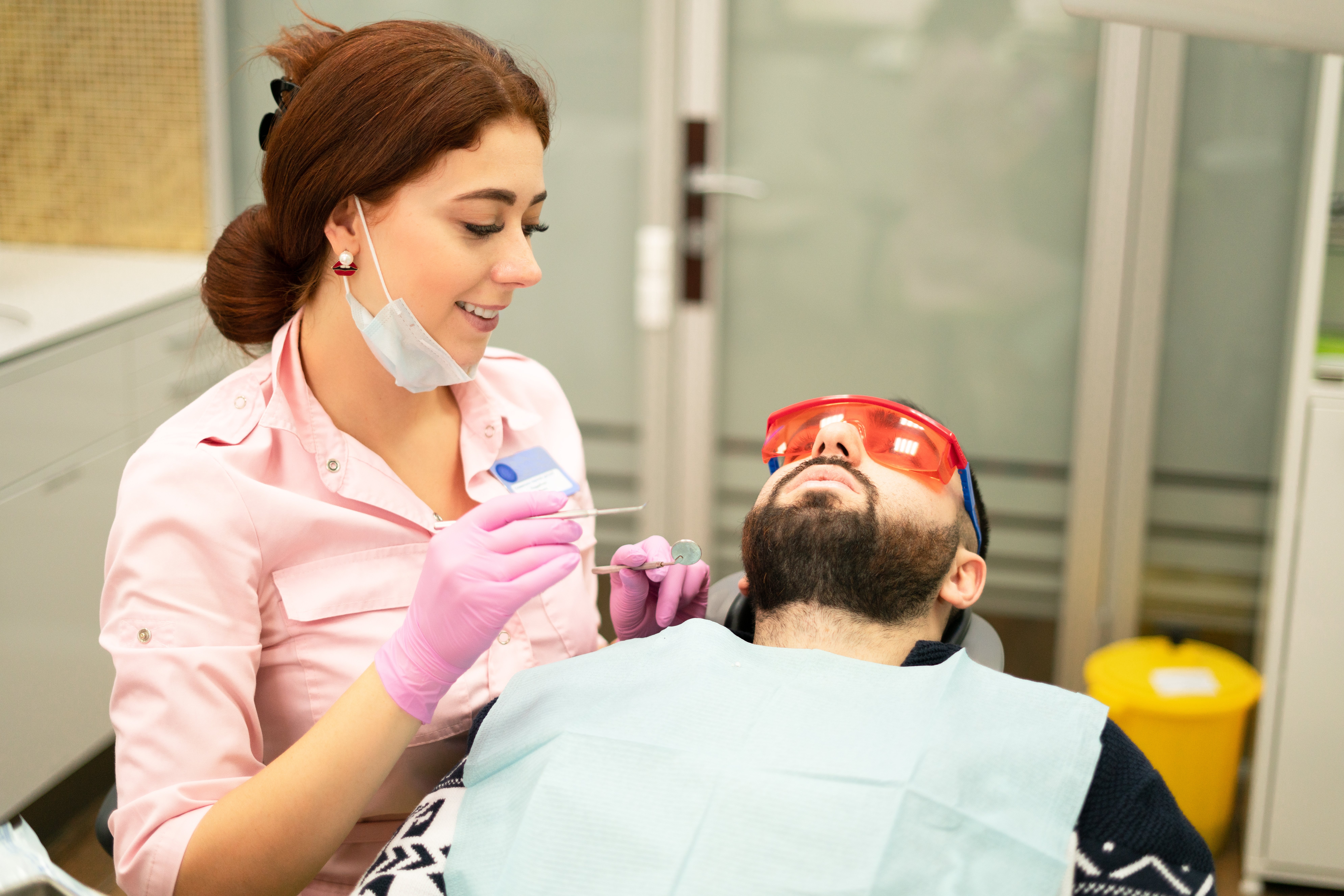
A dentist in Thousand Oaks identifies several factors that can cause tooth decay to progress faster than it otherwise would: new or changed medications that reduce saliva flow, increased snacking frequency without corresponding hygiene changes, a shift toward more acidic or sugary foods or beverages, recent illness or cancer treatment affecting saliva production, uncontrolled diabetes, dry mouth from any cause and a gap in professional cleaning that allows tartar to accumulate.
Key Takeaways
- Tooth decay doesn't always progress at a steady pace specific life changes can accelerate it significantly in a short period.
- Dry mouth is the single most common accelerating factor and originates from new medications rather than poor hygiene.
- Snacking frequency, how the mouth is exposed to sugar and acid matters more than total sugar consumption in driving faster decay.
- Systemic health changes including diabetes, cancer treatment and autoimmune conditions can alter the oral environment dramatically.
- A dentist in Thousand Oaks who understands what's changed in a patient's life between appointments can identify accelerating risk before it shows up as a new cavity.
You had no cavities for years. Then suddenly you have three. Or you've been careful about your hygiene and diet and your dentist tells you that the small watch-and-wait cavity from last visit has grown significantly. Something changed but what?
Tooth decay doesn't always progress at a predictable rate. Most patients have a personal baseline and for years that baseline stays stable. Then something shifts a new medication, a schedule change, a health condition, a dietary pattern and the rate of decay changes with it. A dentist in Thousand Oaks who asks the right questions between visits is looking for exactly this kind of change because identifying the accelerator is what makes prevention specific rather than generic.

Cavities Usually Don't Start Overnight But They Can Speed Up Surprisingly Fast
The progression of tooth decay follows a slow initial path through enamel sometimes taking years to become detectable on X-ray. But the rate is not fixed. Several factors can compress a timeline that would otherwise unfold over years into months.
Saliva is the most important natural defense against cavities. It neutralizes acid, remineralizes enamel, washes away food particles and suppresses certain bacterial species. When saliva production drops significantly from any cause the protection it provides disappears almost entirely. A patient with normal saliva production and average oral hygiene may have minimal decay.
What Changed? The Everyday Factors That Can Suddenly Increase Your Risk
New or adjusted medications
This is the most common accelerating factor and the one most patients don't connect to their dental health. Hundreds of commonly prescribed medications including antidepressants, blood pressure medications, antihistamines, diuretics and many others list dry mouth as a side effect.
Changes in snacking and drinking patterns
A schedule change, a new job, a busier routine, stress means more frequent snacking or constant beverage sipping throughout the day. Each exposure to sugar or acid triggers an acid cycle of 20 to 30 minutes. Continuous grazing or sipping produces a near-constant acidic state that prevents enamel from remineralizing between exposures.
Increased stress
Chronic psychological stress affects the oral environment in two ways. First, stress hormones suppress immune function, making gum tissue more vulnerable and altering the balance of oral bacteria. Second, stress behavior reduces sleep, increased caffeine or alcohol consumption, tension-related bruxism creates changes in the oral environment that favor decay.
Illness or medical treatment
Radiation therapy to the head and neck can permanently damage the salivary glands, producing severe dry mouth that dramatically accelerates decay. Chemotherapy affects saliva composition and oral tissue health.
Why Tooth Decay Doesn't Progress at the Same Speed for Everyone
Two patients can have identical diets, identical brushing routines and dramatically different cavity rates and the difference usually traces to a combination of factors that a dentist in Thousand Oaks can identify through careful history-taking.
Saliva quality and quantity
Some people naturally produce more buffering saliva with higher levels of protective proteins. Others produce less or have saliva with different mineral composition that provides less protection.
Enamel density and structure
Enamel that formed with normal mineralization resists acid better than enamel that was affected by illness, nutritional deficiency or antibiotic exposure during tooth development.
Bacterial colonization
Cavity-causing bacteria can be transmitted between people. Children of parents with high levels of Streptococcus mutans are more likely to harbor the same bacteria early in life, giving those bacteria a longer establishment period.
Genetic factors
Emerging research identifies genetic variations that affect enamel formation, saliva composition, immune response to oral bacteria and taste preferences that influence dietary choices.
The Earlier the Pattern Is Identified, the More Natural Tooth Structure You Can Preserve
Accelerated decay that's caught at the white-spot stage before a physical hole has formed can sometimes be reversed with fluoride, remineralizing agents and behavior change. Once a hole exists, filling is required. Once the filling is large, a crown may be necessary. Once the nerve is involved, a root canal precedes the crown.
Every step in that progression represents tooth structure that can't be recovered. A dentist in Thousand Oaks who identifies an accelerating factor in its early stages and adjusts the monitoring interval and preventive approach accordingly keeps more options available and more tooth structure intact.
Conclusion
Tooth decay that's suddenly moving faster is telling you something changed. Identifying what changed not just treating the cavities that resulted, is what actually changes the trajectory. A dentist who asks about medications, life changes, stress, and health history between appointments isn't going through a checklist they're looking for the specific factor that shifted your risk profile.
Schedule your next visit with a dentist in Thousand Oaks at Clove Dental and let us help you understand not just what we found, but why.
FAQs
How do I know if my medication is causing dry mouth?
Dry mouth from medication feels like persistent thirst, difficulty swallowing dry foods, a sticky or uncomfortable feeling in the mouth, and sometimes a burning sensation on the tongue. If you've noticed these symptoms since starting a new medication, mention it to both your prescribing physician and your dentist in Thousand Oaks there may be a formulation change or management strategy that helps.
Does drinking more water help with medication-induced dry mouth?
It helps with comfort but doesn't fully restore the protective functions of saliva. Saliva contains proteins, enzymes and minerals that water doesn't replicate. Saliva substitutes, xylitol-containing lozenges and alcohol-free mouth rinses designed for dry mouth provide more meaningful symptom management alongside increased hydration.
Why do I get more cavities under stress even if I'm brushing the same way?
Stress affects the oral environment through hormonal changes that alter bacterial balance and immune response, through behavioral changes like increased snacking or caffeine intake and through mouth breathing during sleep that reduces saliva flow.
Can I reverse early decay that's been detected?
Early demineralization detected as white spots before a hole has formed can sometimes be reversed with fluoride treatment, remineralizing products like those containing hydroxyapatite or calcium phosphate and diet modification.

%20%E2%80%94%20Scaled%20(92%25)-1.png?width=352&name=Screenshot%202025-02-07%20at%2012-39-43%20shutterstock_1939199032.jpg%20(JPEG%20Image%201000%20%C3%97%20667%20pixels)%20%E2%80%94%20Scaled%20(92%25)-1.png)