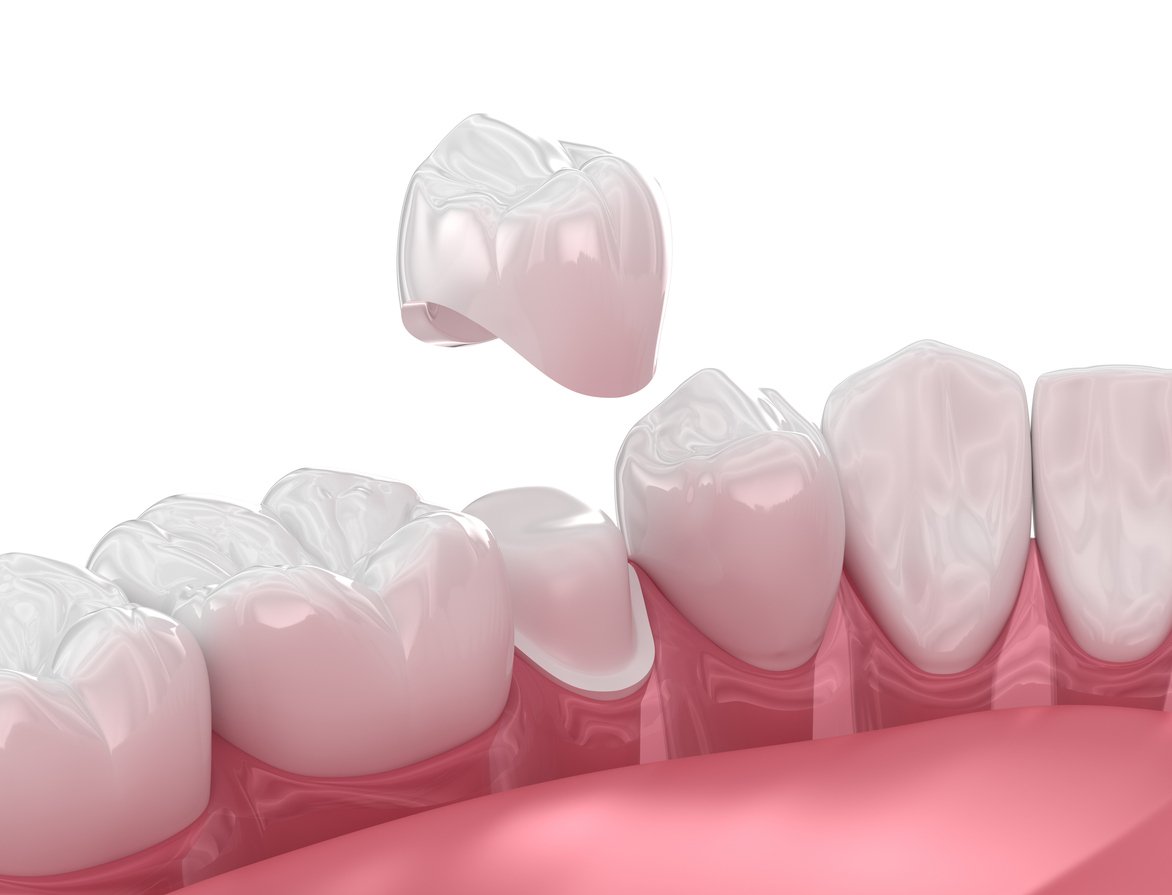
 A fractured cusp is a crack in one of the corners of the tooth’s chewing surface, usually caused by biting something very hard, such as popcorn kernels or ice. Medical evidence shows that cusp fracture is common in dental practice and that cusp fracture varies by tooth type and the tooth's restorative status [1] (Fennis et al., 2002). It leaves a sharp edge and can cause sensitivity to cold, but it rarely destroys the internal nerve. One of the best options to restore the tooth's strength and prevent further decay is a dental crown.
The 24-Hour Triage: What to Do Immediately After Your Molar Breaks
When a piece of your tooth snaps off during dinner, the sudden panic is overwhelming. You might worry that you will swallow the broken piece or that the sharp edge will cut your cheek. Do not stress. Managing a fractured cusp in the first 24 hours is simple. First, carefully spit out the broken tooth fragment and the hard food that caused it. Gently rinse your mouth with warm water to clear away any remaining debris. If the broken edge is razor-sharp against your tongue, press a small piece of sugar-free gum or orthodontic wax over the corner to create a soft barrier. Finally, chew all your food on the opposite side of your mouth. Your goal is to keep the exposed dentin clean and protected while you call our Los Angeles office to secure your repair appointment.
The Silver Filling Trap: Why Your Back Tooth Finally Snapped
You might wonder why a single almond or a piece of ice was strong enough to break your tooth. Are your teeth naturally weak? Usually, the answer is no. For many of our adult patients, the real culprit is an old silver (amalgam) filling sitting in the center of that molar. Decades ago, dentists used metal fillings to treat cavities. Over the years, that metal reacts to hot coffee and cold water. It expands and contracts, pushing outward against your natural tooth structure. This constant pressure acts like a wedge, slowly creating microscopic stress fractures under the surface. Biting down on a hard piece of food is simply the final straw that makes the weakened cusp snap off. By removing the old metal and placing a custom dental crown, we eliminate this internal wedge and restore your tooth's full structural integrity.

Zirconia vs. Porcelain: Choosing the Best Crown for Heavy Chewing
When you live and work in Los Angeles, you want dental work that looks natural but holds up under heavy use. Because back molars handle the heaviest chewing forces in your mouth, choosing the right material for your new crown is vital. At Clove Dental, we use the best quality materials, custom-fitted to your unique bite. We would highly recommend Zirconia for a broken back molar. Clinical evidence shows that monolithic zirconia offers a unique combination of improved aesthetics and superior strength [2] (Vijan, 2024). The material matches the natural color of your teeth and is strong enough to handle the heavy forces of grinding and chewing hard foods. It blends beautifully with your natural smile but will not chip as traditional porcelain does. If the fracture is closer to the front of your mouth, we can use specialized, light-reflecting ceramics to ensure a flawless cosmetic match. We will guide you to the exact material that fits your lifestyle and protects your bite.
Comparisons: Fixing Dental Damage
Understanding the severity of your broken tooth helps you know what to expect in the chair. Here is how a fractured cusp compares to other types of dental damage.
|
Damage Type |
Best Treatment Option |
Estimated Durability |
Maintenance Level |
|
Fractured Cusp (Broken Corner) |
Custom Dental Crown |
High (10–15+ Years) |
Low (Standard brushing & flossing) |
|
Minor Surface Chip |
Cosmetic Dental Bonding |
Moderate (5–7 Years) |
Moderate (Avoid chewing on ice or pens) |
|
Split Root (Fracture below gums) |
Extraction & Dental Implant |
Maximum (Lifetime post) |
Low (Treat like a natural tooth) |
Recovery and Downtime: Can You Go Back to Work?
For the "Career Climber," stepping away from your desk for a dental emergency is frustrating. You likely worry that fixing a broken tooth will leave you groggy or force you to cancel your afternoon meetings. You can put those fears to rest. Repairing a fractured cusp with a dental crown is a streamlined, outpatient procedure. Because we use advanced local anesthetics, you stay completely awake and comfortable. Once the temporary or permanent crown is securely in place, you can leave our clinic and drive yourself straight back to work. Your lip and cheek will stay numb for about two hours, so we recommend avoiding hot liquids and waiting to eat until the numbness fades. Otherwise, you can jump right back into your normal California routine the exact same day.
Future-Proofing Your Smile: How to Prevent the Next Break
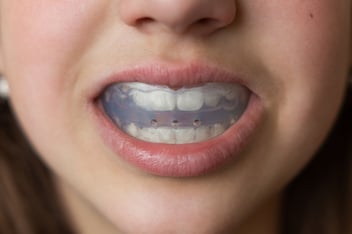
Nobody wants to go through the stress of a broken tooth twice. If one of your molars snapped under pressure, your other teeth might be facing the exact same risk. The most effective way to save money on future dental work is to stop the damage before it happens. Many professionals carry the stress of daily Los Angeles traffic and demanding careers directly in their jaws. If you clench or grind your teeth in your sleep (bruxism), you are placing extreme daily stress on your enamel. This nighttime grinding weakens the cusps of your teeth, setting the stage for a fracture the next time you eat hard food. During your crown visit, we will check your other teeth for signs of heavy wear. If we spot danger zones, we can fabricate a comfortable, custom night guard. Wearing this simple appliance while you sleep absorbs the friction, protecting your new crown and keeping the rest of your smile perfectly intact.
FAQs
1. Can I just leave my broken molar alone if it does not hurt?
No. Even if the sharp pain fades, the inner layer of your tooth (dentin) remains exposed. Dentin is highly porous. If you leave it uncovered, bacteria from your food will travel through those microscopic pores straight into the tooth's nerve, turning a simple crown procedure into a severe infection.
2. Will I need a root canal if my tooth broke on a piece of ice?
Usually, no. A fractured cusp typically breaks off the outer edge of the tooth, safely away from the deep center where the nerve lives. As long as you visit the dentist quickly before bacteria can infect the exposed dentin, a standard dental crown is all you need.
3. How do I protect my tongue from the sharp broken edge right now?
While you wait for your appointment at Clove Dental, you can cover the sharp, jagged edge with a small piece of orthodontic wax (available at most local pharmacies). If you do not have wax, a piece of chewed, sugar-free gum acts as a safe, temporary cushion to stop the tooth from cutting your tongue.
References
[1] Fennis WM, Kuijs RH, Kreulen CM, Roeters FJ, Creugers NH, Burgersdijk RC. A survey of cusp fractures in a population of general dental practices. Int J Prosthodont. 2002;15(6):559-563.
[2] Vijan K. (2024). Emerging trends and clinical recommendations for zirconia ceramic crowns: a concise review. British Dental Journal, 237(1), 28–32. https://doi.org/10.1038/s41415-024-7616-0