.png?width=80&height=80&name=Clove%20Dental%20White%20Small%20(28).png "Clove Dental White Small (28)")
.jpg?width=626&height=417&name=image(1277).jpg)
Dental implants in Oxnard replace both the tooth and its root which is what actually stops the jawbone from shrinking after tooth loss. The process spans several months across multiple steps, not a single appointment.
Key Takeaways
- Losing a tooth does not just leave a gap, the jawbone underneath starts to shrink without a root there to stimulate it.
- A dental implant is a multi-step process spread across months, not something completed in one visit.
- Significant bone loss before treatment can require a bone graft before an implant is even possible.
- Implants, bridges, and dentures each solve tooth loss differently, and the right choice depends on your specific situation.
- Watching for the right healing signs after implant surgery helps catch a problem early if one comes up.
Lost a tooth and thinking a bridge or a denture is basically the same as an implant? It's not, and the difference matters more than people expect. A missing tooth isn't just a gap you can see, it's also missing a root, and that root was doing more work than most people realize. Dental implants in Oxnard are built specifically to replace that root, not just the visible part of the tooth, which is the whole reason they hold up differently than other options over time.
What Actually Happens to the Jaw After a Tooth Is Removed?
Once a tooth is gone, the jawbone underneath it starts to change pretty quickly. Bone needs stimulation from a tooth root to maintain its density, and without that stimulation, the bone in that area begins to resorb, meaning it slowly shrinks and thins out. This isn't instant, but it starts within months, not years.
Over time, this bone loss can change the shape of your jaw and even affect the fit of nearby teeth or the structure of your face in that area if enough teeth are missing long-term. Dental implants in Oxnard work specifically because the implant post sits in the bone the way a natural root would, giving the bone something to hold onto instead of just wasting away.

Is a Dental Implant One Procedure or a Multi-Step Process?
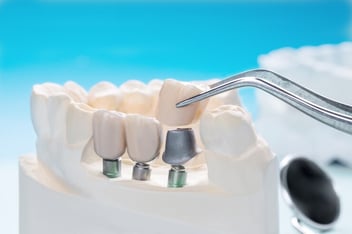
Definitely not one visit, and it helps to know that going in so the timeline doesn't feel unexpectedly long. First comes the surgical placement of the titanium post into the jawbone. Then comes a healing period, usually a few months, where the bone actually fuses to the implant post in a process called osseointegration.
Once that fusion is solid, an abutment gets attached to the post, and finally the crown, the visible part that looks like a tooth, gets placed on top. All together, dental implants in Oxnard typically take anywhere from three to six months from start to finish, sometimes longer if a bone graft is needed first. It's a longer process than a lot of people expect, but each stage exists for a real structural reason.
What Happens If You Have Bone Loss Before Implant Treatment?
If a tooth's been missing for a while before you pursue an implant, there's a decent chance some bone resorption has already happened, and that can be a problem if there isn't enough solid bone left to anchor the implant securely. This is where a bone graft comes in, adding bone material to rebuild density in the area before the implant itself can be placed.
A bone graft adds time to the overall process, often several months for the graft to fully integrate before implant surgery can happen. It's not a step anyone loves hearing about, but skipping it when it's actually needed risks the implant failing later. A thorough evaluation before starting dental implants in Oxnard should catch this early, rather than discovering it mid-procedure.
How Do You Know Whether an Implant, Bridge, or Denture Makes More Sense for You?
These three options solve the same basic problem in pretty different ways. An implant replaces the root and the crown individually, doesn't rely on neighboring teeth for support, and tends to last the longest with proper care. A bridge fills the gap by anchoring to the teeth on either side, which is faster and often cheaper upfront, but puts extra wear on those supporting teeth over time.
A denture, full or partial, is removable and typically the least expensive option, though it doesn't address the bone loss issue the way an implant does, since there's no root replacement involved. The right choice really depends on your specific situation: how many teeth are missing, your bone health, your budget, and honestly how you feel about a removable appliance versus something permanent.
How Do You Know Your Implant Is Healing Properly?
Some discomfort and mild swelling in the first few days after surgery is completely normal. What you're watching for beyond that is steady improvement, not worsening. Pain that's getting better day by day, swelling that's going down rather than up, and no fever are all good signs things are on track.
Red flags include pain that intensifies after the first few days, persistent swelling that isn't improving, any pus or discharge, or the implant feeling loose. If any of that shows up, it's worth contacting your provider promptly rather than waiting to see if it resolves, since catching a problem early during the healing phase of dental implants in Oxnard makes a real difference in whether it can be corrected.
Conclusion
Dental implants solve tooth loss in a way bridges and dentures structurally can't, by replacing the root itself and giving the jawbone something to hold onto. It's a longer process, often with a bone graft or several months of healing built in, but that time investment is exactly what gives implants their durability. If you're weighing your options for a missing tooth, understanding what actually happens at each stage of dental implants in Oxnard makes the whole decision a lot less intimidating.
FAQs
How long do dental implants actually last?
With proper care, implants can last 20 years or longer and many last a lifetime, making them one of the more durable options for replacing a missing tooth.
Is the implant procedure painful?
The surgery itself is done under anesthesia, so it should not hurt during the procedure. Some soreness and swelling afterward is normal and manageable with standard pain relief.
Can I get an implant right after a tooth is extracted?
Sometimes, depending on bone health and the specific situation though a healing period between extraction and implant placement is recommended.
What happens if I do not get a bone graft when I need one?
Skipping a necessary graft risks the implant not having enough stable bone to properly anchor into which can lead to implant failure down the line.
How much of the process for dental implants in Oxnard is surgery versus healing time?
The surgical steps themselves take relatively little time, usually under two hours each. Most of the multi-month timeline is healing and bone integration.

.jpg?width=352&name=old-man-sitting-dentist-s-office%20(4).jpg)