.png?width=80&height=80&name=Clove%20Dental%20White%20Small%20(28).png "Clove Dental White Small (28)")
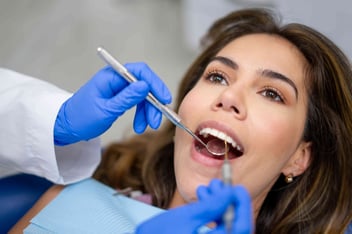
 A dental checkup covers far more than visible cavities. Dentists assess gum pocket depth, review X-rays for bone changes and decay between teeth, check bite alignment, screen soft tissue for abnormalities and evaluate any existing fillings or crowns for early signs of wear. A teeth cleaning in Camarillo also includes tartar removal that brushing alone can't achieve.
Key Takeaways
- A checkup is more than just a quick glance at the teeth for cavities; it includes a number of specific clinical checks.
- Even if there are no obvious problems, gum pocket depth, bite alignment and soft tissue health are all evaluated.
- Teeth cleaning in Camarillo removes tartar that brushing and flossing cannot reach, regardless of how diligent your home care is.
- Comparing this year's findings to last year's is more telling than any single observation at one visit.
- Asking specific questions before leaving an appointment helps you understand exactly what was found and why it matters.
Have you ever wondered what your dentist is actually looking at during those few minutes with the little mirror and the quiet "mm-hm"? It can feel mysterious from the chair, especially when nothing seems to hurt. A checkup is doing far more work than it appears to from the patient's side.
At Clove Dental, we think patients deserve to understand what's happening during their visit. Here's a real look behind the scenes of a dental checkup and teeth cleaning in Camarillo and why each step matters more than it might seem at the moment.
"My Teeth Feel Fine", So What Is the Dentist Actually Looking For?
Feeling fine and being fine are not the same thing in dentistry. Most of what a dentist checks for doesn't produce pain or sensation until it's already progressed significantly. Early decay, the beginning stages of gum disease and small structural changes in a tooth can all be present without any symptoms a patient would notice.
This is exactly why the exam exists independent of how your mouth feels. A dentist is looking for the early, painless signs of problems specifically because those are the stages where treatment is simplest and least invasive.
The Things Your Dentist Checks That Most Patients Never Notice
A thorough checkup includes periodontal probing, where a small instrument measures the depth of the space between your gum and tooth at several points around each tooth. This reveals early gum disease long before it would be visible or felt.
Your dentist is also reviewing X-rays for changes in bone density, checking for decay forming between teeth where it can't be seen directly and examining the margins of any existing fillings or crowns for early signs of breakdown. Bite alignment gets checked too, since uneven wear patterns can signal a developing issue with how your teeth meet.
Why a Teeth Cleaning in Camarillo Is More Than Removing Plaque
The cleaning portion of your visit isn't just cosmetic polish. Tartar the hardened deposits that form when plaque isn't removed in time bonds to tooth surfaces in a way that brushing simply cannot disrupt. It tends to build up fastest at the gumline and between teeth, exactly where gum disease tends to start.
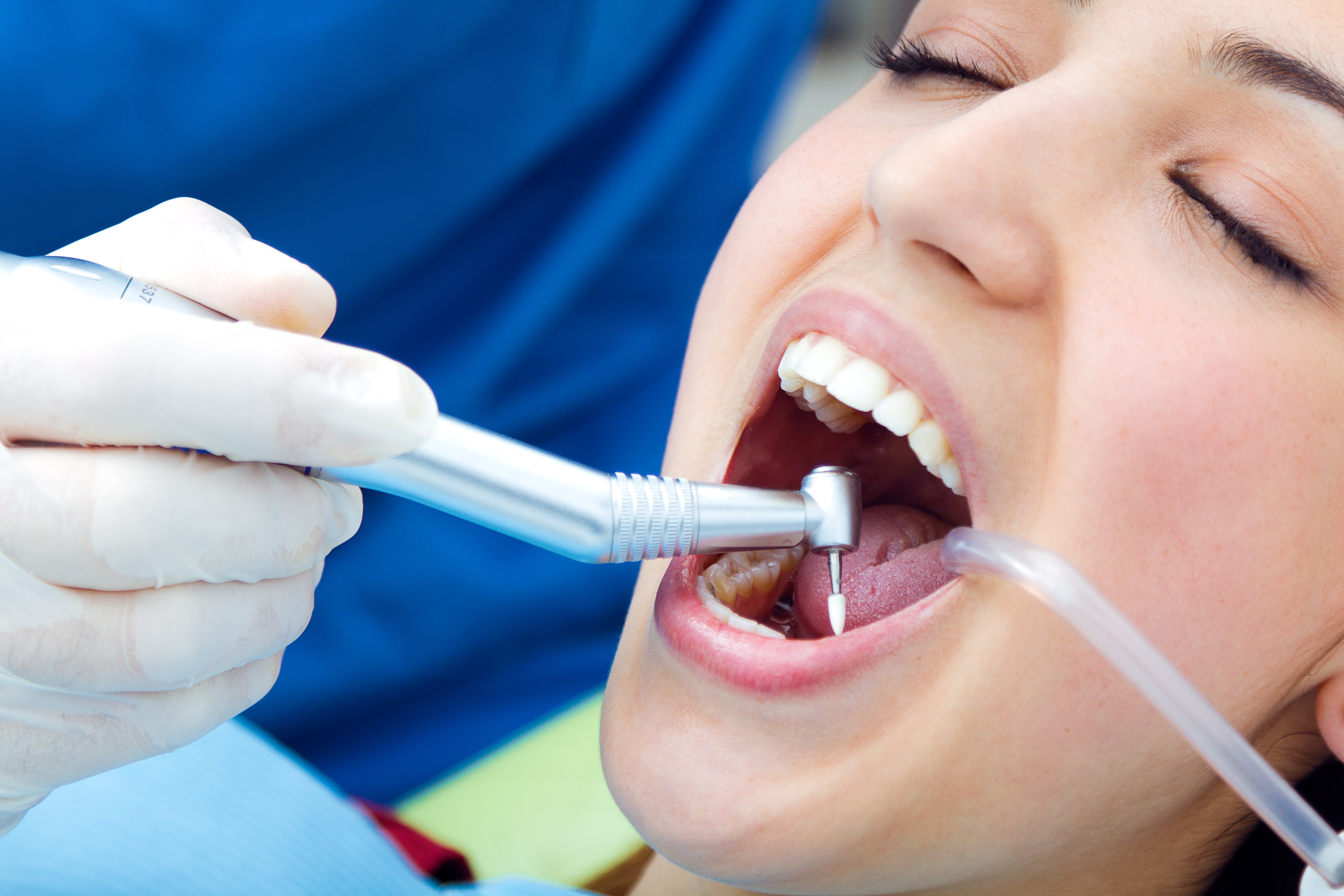
A teeth cleaning in Camarillo at Clove Dental removes this buildup with specialized instruments, interrupting a cycle that would otherwise continue regardless of how well you brush at home. This is one of the clearest reasons the appointment matters even for patients with excellent daily habits.
The Questions Your Dentist Is Answering Before You Even Ask Them
Throughout the exam, your dentist is silently working through a series of questions: Has anything changed since the last visit? Is there any new sensitivity reported and does it match something visible on examination? Are existing restorations holding up or showing early signs of wear that will eventually need attention?
These questions shape what gets flagged for discussion and what simply gets noted to monitor going forward. Most of this thinking happens quietly during the exam itself which is part of why the visit can feel quick from the patient's side even though a lot is being evaluated.
When a Routine Checkup Turns Into an Important Early Warning
Most checkups confirm that everything looks stable which is exactly the outcome everyone hopes for. Occasionally, though, a routine visit catches something that genuinely needs attention: a cavity just beginning to form between teeth, early gum disease that hasn't caused any symptoms yet or a small crack starting to develop in a tooth.
These are the visits that matter most, precisely because they catch problems at the stage where treatment is simplest. A patient who skipped that appointment might not have noticed anything was wrong until the situation had become considerably more involved.
What Should You Ask Before Leaving Your Dental Appointment?
A few questions can help you leave with real clarity. Ask what, if anything, has changed since your last visit. Ask whether any findings are something to actively treat now or simply something to monitor going forward. If a recommendation is made, ask what happens if you wait, so you understand the actual stakes involved.
Asking these questions turns a passive appointment into one where you genuinely understand your own oral health, rather than just trusting that everything is fine because no one said otherwise.
Conclusion
A dental checkup is doing considerably more behind the scenes than it might seem from the chair. Gum health, bite alignment, bone changes and the condition of existing dental work are all being assessed without the patient realizing just how much ground is being covered.
At Clove Dental, we want every patient to actually understand what we're looking at and why. Book your teeth cleaning in Camarillo at clovedds.com and see what a thorough checkup really involves.
FAQs
Why does my dentist take X-rays if nothing seems wrong?
X-rays show decay between teeth and alterations to bone structure that cannot be detected with a routine check-up. They are part of an early catch, not indicative of suspicion.
What does it mean if my dentist mentions a "pocket depth" measurement?
This is the area between your tooth and gum that is measured during a periodontal exam. There's a condition that is possible to have gum disease, but you wouldn't know it just from the appearance of your gums. This condition is called deeper pockets.
Is teeth cleaning in Camarillo different from a regular dental exam?
The cleaning specifically removes plaque and tartar buildup while the exam evaluates your overall oral health. Most routine visits include both in the same appointment.
How often should I really be getting a checkup?
Twice a year is standard for most patients, though those with gum disease history or higher cavity risk may benefit from more frequent visits.