.png?width=80&height=80&name=Clove%20Dental%20White%20Small%20(28).png "Clove Dental White Small (28)")
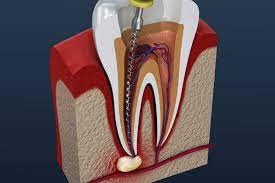
An endodontist in Encino evaluates several clinical factors before recommending root canal therapy: the tooth's pulp vitality, the presence of infection at the root tip, the depth of decay and its proximity to the pulp, the patient's symptoms and periapical X-rays showing bone changes around the root. The diagnosis requires clinical testing and imaging before the treatment decision is made.
Key Takeaways
- An endodontist in Encino uses pulp vitality testing, clinical symptoms and X-ray findings together before recommending root canal therapy no single factor determines the diagnosis.
- The most persistent root canal myth that the procedure is extremely painful confuses the infection causing the pain with the treatment that resolves it.
- Two teeth with similar symptoms can legitimately need completely different treatment because the underlying pulp status and bone findings differ.
- Waiting before proceeding with a recommended root canal doesn't pause the problem infection at the root level progresses into the surrounding bone with time.
Few dental recommendations generate as much hesitation as "you need a root canal." The phrase carries associations of pain, cost, complexity that lead patients to second-guess the recommendation, ask for more time or look for reasons to delay. Most of that hesitation is built on a version of root canal therapy that no longer reflects the procedure as it's performed.
At Clove Dental, we refer patients to experienced endodontists in Encino when root canal therapy is indicated and we take time to explain what the diagnosis is based on, why the recommendation follows from it and what waiting actually costs. Here's what the facts look like when the myths are set aside.
"Do I Really Need a Root Canal?" Why This Recommendation Makes So Many People Nervous
The nervousness makes sense given the reputation but the reputation is largely disconnected from the experience most patients have. A root canal performed under modern local anesthesia, by a trained endodontist, is a procedure that resolves pain rather than causing it. The discomfort most patients associate with root canals is the infection that precedes treatment, not the treatment itself.
The second source of hesitation is doubt about whether the recommendation is necessary. It's a reasonable question. A thoughtful endodontist in Encino bases the recommendation on specific clinical findings not on a preference for more complex treatment and not on symptoms alone.

The Root Canal Myths That Still Influence Treatment Decisions Today
"Root canals cause illness elsewhere in the body."
This claim originates from research conducted over a century ago using methodology that has since been thoroughly discredited. The current scientific consensus, supported by decades of modern research, does not support a link between root canal treatment and systemic disease.
"Extraction is safer than a root canal."
Extraction removes the infection source but creates its own clinical consequences: bone loss at the extraction site, neighboring tooth drift and the eventual need for replacement. Root canal therapy, when successful, preserves the tooth and its root, maintains bone stimulation and avoids the downstream effects of a missing tooth.
"If it doesn't hurt anymore, the problem will be resolved."
Pain reduction without treatment frequently means nerve death; the pulp tissue has been so severely damaged by infection that it no longer transmits pain signals. The infection itself hasn't resolved; it continues progressing into the bone at the root tip.
What an Endodontist in Encino Looks for Before Saying You Need a Root Canal
The diagnosis for root canal therapy isn't made on symptoms alone. An endodon evaluates:
Pulp vitality testing
Cold testing, heat testing or electric pulp testing assesses whether the nerve inside the tooth is still responsive. A tooth with a vital but inflamed pulp may be treatable without a root canal.
Periapical X-rays
Bone changes at the tip of the root indicate that infection has spread beyond the pulp and into the surrounding tissue. A periapical lesion on X-ray is one of the clearest clinical indicators that root canal treatment is needed.
Clinical symptoms in context
Spontaneous pain (unprovoked), pain that lingers significantly after a stimulus is removed, swelling or sinus tract formation (a small pimple-like lesion on the gum) all suggest pulp involvement.
History of the tooth
Prior restorations, trauma, repeated procedures and the depth of existing decay all inform how likely it is that the pulp has been compromised beyond recovery.
Why Waiting "One More Month" Changes More Than People Expect
Once a root canal recommendation has been made based on irreversible pulp damage or periapical infection, waiting doesn't hold the situation stable, it allows a contained problem to expand.
Infection at the root tip progresses into the surrounding bone. What begins as a small periapical lesion on X-ray enlarges over months. In some cases, the infection spreads to adjacent teeth or requires a more involved surgical approach to fully address.
The treatment that was appropriate last month may require additional steps next month. Waiting to proceed with a root canal recommended by an endodontist in Encino doesn't create more options, it tends to remove them.
Conclusion
The facts about root canal therapy are significantly more manageable than the reputation suggests. The diagnosis is based on specific, objective clinical findings. The procedure is performed under anesthesia and resolves the pain rather than causing it. And the goal of keeping a natural tooth is one most patients share.
At Clove Dental, we work with trusted endodontists in Encino to make sure every patient understands their diagnosis before treatment begins.
FAQs
How do I know if I need an endodontist in Encino or if my general dentist can do the root canal?
General dentists perform root canals on teeth with straightforward anatomy and accessible canals. Endodontists handle complex cases of teeth with multiple curved canals, calcified canals, prior root canal failures or anatomical features that make treatment technically demanding.
How long does a root canal appointment take?
Most root canals are completed in one to two appointments of 60 to 90 minutes each. The timeline depends on the tooth's anatomy, the severity of infection and whether any complications arise.
Is it possible to avoid a root canal if I catch the problem early enough?
Yes, for teeth where the pulp is inflamed but not yet irreversibly damaged, removing the source of irritation and protecting the pulp with appropriate materials can sometimes allow healing. This is called vital pulp therapy and is appropriate in specific clinical scenarios.
How soon after a root canal do I need a crown?
As soon as possible within a few weeks. A tooth after root canal therapy is more brittle and vulnerable to fracture. Delaying crown placement is one of the most common causes of otherwise successful root canal treatment ending in tooth loss.
.jpg?width=352&name=woman-patient-dentist%20(6).jpg)