.png?width=80&height=80&name=Clove%20Dental%20White%20Small%20(28).png "Clove Dental White Small (28)")
.jpg?width=626&height=417&name=image(369).jpg)
Home remedies can temporarily relieve dental discomfort but they treat symptoms, not causes. A dentist in Beverly Hills is needed when pain is severe or worsening, when swelling develops anywhere near the jaw or face, when a tooth is knocked out or fractured, when symptoms return repeatedly after temporary relief or when pain disappears without treatment.
Key Takeaways
- Home remedies provide temporary symptom relief, they don't treat the underlying dental problem and most dental problems don't resolve without professional care.
- Mild sensitivity, a lost filling with no pain and minor gum irritation are situations where brief home management while scheduling an appointment is reasonable.
- Swelling, severe pain, fever, a knocked-out tooth or pain that woke you from sleep are situations that warrant calling a dentist in Beverly Hills the same day.
- Pain that fades without treatment is not reliably a sign of healing in dental disease, it's a sign that the nerve has died.
When something hurts in your mouth, the first instinct isn't usually to call a dentist. It's to search online for something to try at home: a salt water rinse, a clove oil application or a cold compress. Sometimes that's the right move, it's a delay that makes the eventual treatment more involved than it needed to be.
Finding the right balance between home care and professional care is genuinely useful because not every dental discomfort requires an emergency appointment, and not every online remedy is harmless. A dentist in Beverly Hills who wants patients to make good decisions explains where the line is, not just that the line exists. Here's where it actually falls.

"Should I Try Something at Home First?" Why Most Dental Problems Start With This Question
The question is reasonable. Dental appointments take time and cost money and if something minor can be managed at home, that's a rational choice. The problem is that most patients assess severity based on pain and dental pain is an unreliable indicator of dental severity.
A tooth with a hairline crack can cause intermittent sharp pain that feels serious but may only need a crown. A tooth with an abscess at the root tip can cause no pain at all if the nerve has already died while the infection continues spreading into the surrounding bone.
The Dental Problems Home Care Can Actually Help With and the Ones It Can't
Where brief home management is reasonable:
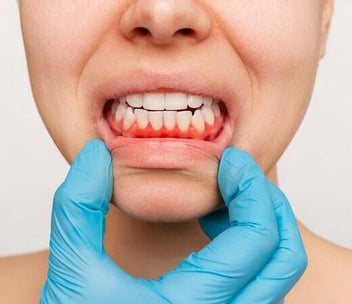
Minor gum irritation from a new food, a rough spot from biting your cheek or mild sensitivity from whitening products resolves with salt water rinsing, time and reduced irritant exposure. A small lost filling with no pain can be temporarily covered with dental wax or over-the-counter temporary filling material while you schedule an appointment.
Where home care is insufficient:
A toothache that's throbbing, severe or present without a trigger is describing a tooth with pulp involving an infection or nerve inflammation that will not resolve without treatment. Swelling anywhere in the face, jaw or neck requires same-day contact with a dentist in Beverly Hills because dental abscesses can spread rapidly.
The Biggest Mistake People Make With DIY Dental Advice Online
Online dental advice ranges from genuinely helpful to harmless to actively harmful. The most problematic category is advice that treats severe symptoms as though they respond to the same home interventions that work for mild ones.
Applying heat to a dental abscess sometimes recommended online can accelerate the spread of infection. Placing aspirin directly on a tooth or gum to relieve pain, another common online suggestion causes chemical burns to the soft tissue.
The more useful principle: if a home remedy is being used to manage something that a dentist in Beverly Hills should be seeing, the remedy is delaying necessary care.
The 24-Hour, 48-Hour and One-Week Rule: When Waiting Stops Being a Good Idea
A rough framework for managing dental symptoms at home:
- Same day: Swelling, severe uncontrolled pain, a knocked-out tooth, a tooth fracture with visible inner tissue, difficulty swallowing or fever with tooth pain.
- Within 24 hours: A lost crown on a prepared tooth, a sharp tooth edge cutting soft tissue or moderate pain that over-the-counter medication manages but doesn't eliminate.
- Within 48 hours: A lost filling with mild sensitivity, a cracked tooth with intermittent pain on biting or a sore spot that appeared after a new restoration.
- Within one week if not improving: Mild sensitivity that hasn't resolved, minor gum irritation that hasn't healed or any symptom that began as mild and hasn't changed.
Any symptom that was present for more than a week before this article stop reading and schedule the appointment.
The Best Home Remedy Is Knowing When to Stop Using Home Remedies
The most useful thing home management can do for most dental problems is bridge the time between when the symptom begins and when a professional appointment happens, not replace the appointment. Salt water rinses support healing in already-treated tissue. OTC analgesics manage pain while the underlying cause is being addressed. Dental wax protects soft tissue from a sharp edge while the tooth is evaluated.
None of these are treatments. They're management tools for the gap between the problem and the solution.
Conclusion
Home remedies have a role in dental care as short-term symptom management while you schedule professional attention. They don't treat infection, reverse bone loss, stabilize a cracked tooth, or address any of the underlying causes of dental pain. Knowing when to stop reaching for the salt water and start reaching for the phone is the skill that actually protects your teeth.
At Clove Dental, our Beverly Hills team is here when something needs professional attention and we'd rather hear from you early than late.
FAQs
Is salt water rinsing actually helpful for dental problems?
Yes, for some. Warm salt water reduces oral bacteria transiently and can soothe inflamed gum tissue after a procedure or minor irritation. It doesn't treat infection, remove calculus, or substitute for professional cleaning. It's a reasonable adjunct not a treatment.
Can clove oil help with a toothache?
Eugenol, the active compound in clove oil, has mild anesthetic and antibacterial properties. Applied carefully to gum tissue near an affected tooth, it can provide brief relief. Applied directly to tooth structure or in high concentrations near sensitive tissue, it can cause irritation.
Should I go to the ER for a dental problem?
Emergency rooms can treat spreading dental infections, facial swelling, and trauma but they typically don't have dentists on staff and can't treat the tooth itself. For a spreading infection with swelling or difficulty breathing, go immediately. For most dental pain without systemic symptoms, a dentist in Beverly Hills is the more appropriate and effective first stop.
How do I know if I have a dental abscess?
Signs of a dental abscess include a persistent, throbbing toothache; swelling of the face, cheek, or neck; fever; a bad taste in the mouth; or a small pimple-like bump on the gum near the affected tooth.