.png?width=80&height=80&name=Clove%20Dental%20White%20Small%20(28).png "Clove Dental White Small (28)")
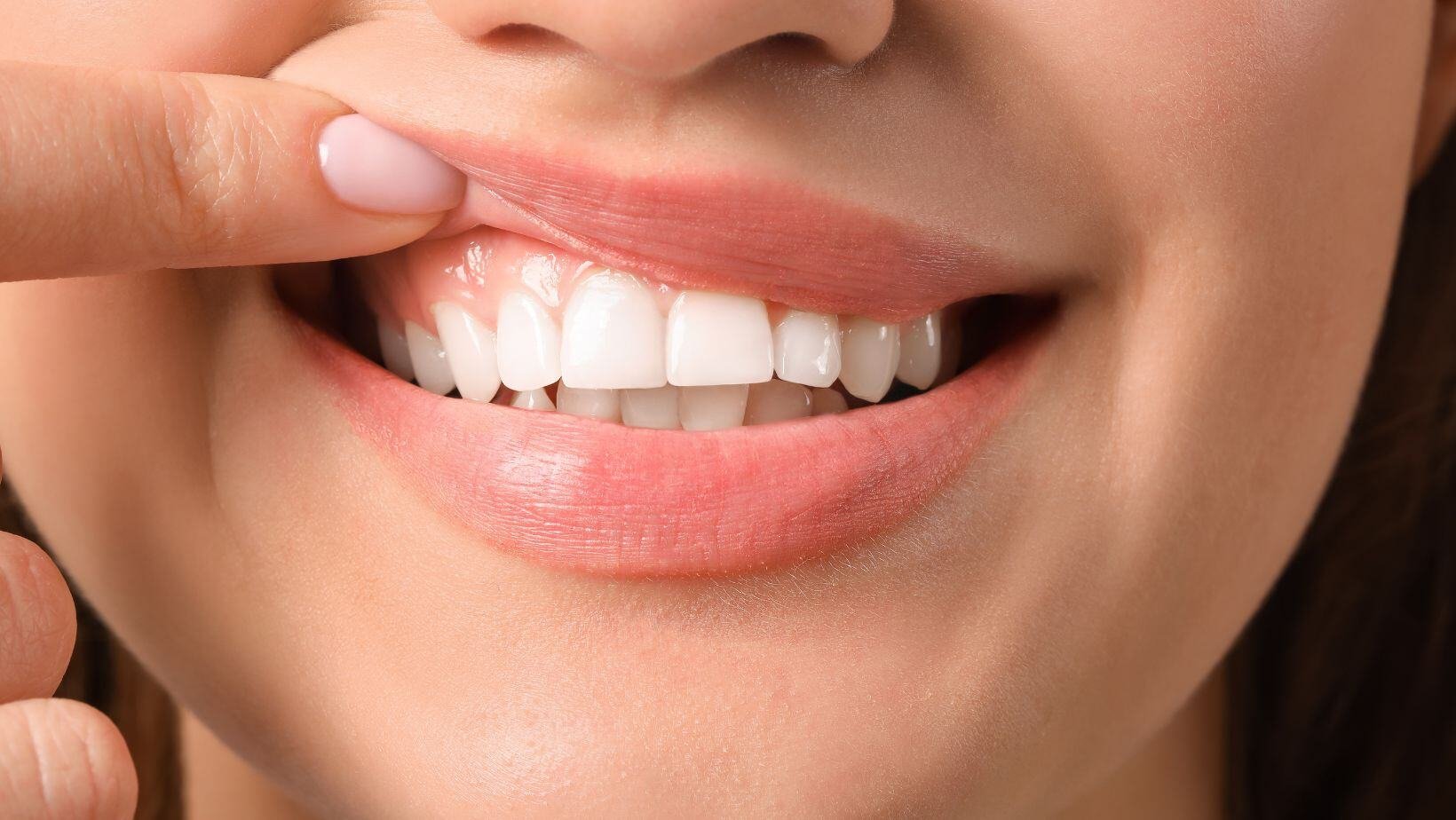
According to a periodontist in Beverly Hills, the following are six important factors to keep in mind in fighting gum recession: brush with the right pressure and technique, treat gum inflammation before it deteriorates, look at the total gum line, rather than the tops of the teeth, stop grinding and clenching as it puts force on the gum line, maintain proper professional care, and understand that it is more difficult to regenerate tissue once significant recession has taken place than it is to prevent it.
Key Takeaways
- Gum recession is gradual and goes unnoticed until significant tissue has already been lost, the best prevention targets contributing factors before visible recession begins.
- Aggressive brushing is one of the most common and most preventable causes of gum recession, technique and pressure matter more than force.
- Gum inflammation that goes untreated can lead to the bone and tissue loss that drives recession from beneath the surface.
- Bruxism transfers abnormal force to the gum margin and surrounding bone, accelerating recession even in patients with otherwise good hygiene.
Gum recession is one of those dental changes that patients don't notice until someone else does. The teeth haven't hurt. The gums haven't bled recently. But something looks different, teeth that appear longer than they used to, a line visible at the gum margin that wasn't there before, a sensitivity to cold that developed gradually.
By the time recession is visually apparent, some degree of gum tissue loss has already occurred. That doesn't mean the situation is beyond help but it does mean that prevention, which was possible earlier, has become management. A periodontist in Beverly Hills who identifies the contributing factors before visible recession develops can change the trajectory. Here's what those factors are and how to address them.

Gum Recession Doesn't Happen Overnight
The gum tissue that frames each tooth doesn't recede in a single event. It moves slowly (millimeters per months or years) when it is continually pressured, inflamed or losing bone beneath its surface.
This gradual nature is what makes it easy to miss until it's already progressed. There's rarely a moment where the problem starts and announces itself. There's just a slow migration of the gum margin that becomes apparent when enough tissue has moved to create a visual difference or cause sensitivity.
Tip 1: Protect Your Gums, Not Just Your Teeth
The way most people brush their teeth was designed with tooth surfaces in mind, moving the brush across the enamel to remove plaque. The gum margin requires a different approach.
The corrective technique: a soft-bristled brush, held at a 45-degree angle toward the gum, using short circular or gentle sweeping strokes. The bristles should reach into the sulcus without pressing hard. Electric toothbrushes with pressure sensors are particularly useful for patients who chronically brush too hard, the sensor signals when the applied force exceeds what's appropriate.
Tip 2: Pay Attention to Bleeding Before Recession Starts
Gum bleeding during brushing or flossing is an early warning signal, one that many patients dismiss as normal. It isn't. Bleeding indicates inflammation in the gum tissue and chronic inflammation is one of the primary drivers of the bone loss that produces recession from beneath the surface.
A gum line that bleeds consistently has bacteria accumulating at levels that are triggering an immune response. That immune response, over time, damages the bone and attachment that keeps gum tissue in its normal position.
Tip 3: Stop Looking Only at Your Teeth
Most patients evaluate their oral health by looking at their teeth in the mirror. The gum line requires deliberate attention, specifically, looking for changes in where the gum meets the tooth relative to how it looked previously.
Taking a mental baseline, noting where the gum line sits relative to the teeth when everything looks normal, makes future changes more noticeable.
Tip 4: Don't Ignore the Pressure Your Teeth Experience Every Day
One of the most overlooked causes of gum recession is bruxism or grinding and clenching your teeth when you are sleeping or stressed. The forces during bruxism can be several times higher than normal chewing forces and these forces are transmitted through the teeth into surrounding bone and gum tissue.
Signs of bruxism include flattened or worn biting surfaces, chipped or cracked teeth, jaw soreness in the morning and headaches. A periodontist in Beverly Hills who identifies these signs can recommend a night guard to reduce force transmission during sleep.
Tip 5: Give Your Gums the Same Attention You Give Your Smile
Cosmetic dental care, whitening, veneers, smile design, focuses intensely on tooth appearance. Gum health receives less attention because it doesn't produce the immediate visual change that cosmetic dentistry does. But the gum tissue framing the teeth is as important to the overall appearance and health of the smile as the teeth themselves.
Gum recession affects aesthetics in ways that cosmetic treatments can't fully compensate for. Exposed root surfaces have a different color and texture from enamel.
Tip 6: Prevention Is Easier Than Rebuilding Lost Gum Tissue
Gum grafting, the surgical procedure used to restore tissue that's already been lost, is effective, predictable and commonly performed by periodontists. But it's also significantly more involved than the preventive measures that make it unnecessary.
A periodontist in Beverly Hills who sees patients early, before significant recession has occurred, can achieve a good outcome with conservative intervention.
Conclusion
Gum recession is preventable more than it's inevitable. The six factors, brushing technique, early inflammation treatment, gum line monitoring, bruxism management, consistent professional care and understanding the cost of delay, give patients genuine control over a condition that most assume is simply something that happens with age.
Schedule an evaluation with a periodontist in Beverly Hills at Clove Dental and find out where your gum health stands before recession becomes the first sign.
FAQs
Can receding gums grow back on their own?
No, gum tissue that has receded does not regenerate spontaneously. Early demineralization of tooth enamel can sometimes be reversed; lost gum tissue cannot. Recession can be halted by addressing its causes and surgical grafting can restore lost tissue but natural regrowth doesn't occur.
Is gum recession always caused by gum disease?
No, gum recession has multiple causes. Aggressive brushing, bruxism, thin gum tissue biotype, orthodontic tooth movement, lip and tongue piercings, and abnormal tooth positioning can all contribute to recession independently of or alongside gum disease.
How often should I see a periodontist in Beverly Hills if I'm at risk for recession?
Risk level determines frequency. Patients with bruxism, thin gum tissue or a history of gum disease benefit from more frequent monitoring, every three to four months rather than every six.
Does recession affect implants the same way it affects natural teeth?
Recession around implants, called peri-implant recession, can occur and is managed differently from natural tooth recession. Implants don't have a periodontal ligament, so the tissue response to bacteria and force is different.
.jpg?width=352&name=image(655).jpg)

.jpg?width=352&name=9365(1).jpg)