.png?width=80&height=80&name=Clove%20Dental%20White%20Small%20(28).png "Clove Dental White Small (28)")
Oil pulling may help reduce bacteria and improve breath, but it cannot replace brushing, flossing, or professional dental care. It works best as a supportive habit alongside regular visits to a dentist in Thousand Oaks.
Key Takeaway
- Oil pulling can support oral hygiene but is not a replacement for daily dental care.
- It may help reduce bacteria and improve breath with consistent use.
- The scientific evidence is weak and the outcomes are not overwhelming.
- It does not cure cavities, gum disease or more profound dental problems.
- At Clove Dental, we guide patients on combining home care with visits to a dentist in Thousand Oaks for complete care.
Have you ever wondered if oil pulling is actually doing something or just feels like it is?
It is easy, popular and simple to experiment. However, the majority of the population does not know whether it really works or simply provides a feeling of freshness in a short period of time.
The response is very simple: it will help to a degree, but not entirely.
At Clove Dental, we explain it as a supportive habit, something that can fit into your routine but not replace brushing, flossing or seeing a dentist in Thousand Oaks.
The Trend That Won’t Go Away: Why Oil Pulling Is Still So Popular
Oil pulling has remained pertinent since it is simple and comfortable.
It needs no equipment, no prescription and no learning curve. It makes people feel very clean after doing it and thus it seems to be very effective.
But that “clean feeling” doesn’t always reflect what’s actually happening at a deeper level. That’s where understanding its limits becomes important.
What Is Oil Pulling?
Oil pulling refers to the act of massaging oil in your mouth, several minutes later, and spit.
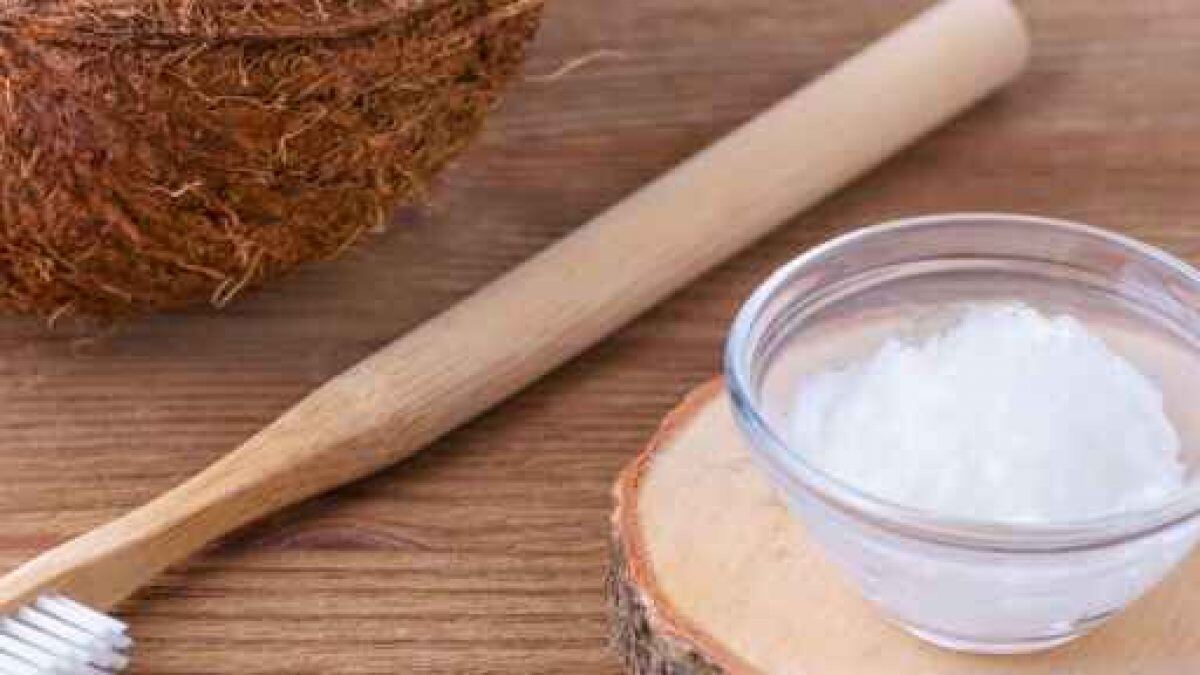
The commonest one used is coconut oil, with the use of sesame and sunflower oil.
It is a basic concept the oil combines with saliva and assists in transporting bacteria and debris along when you spit it out.
How Oil Pulling Works Inside Your Mouth
When you swish, the oil is distributed on your teeth and gums, removing surface debris, and reacting with bacteria.
This has a minor ability to lessen bacterial charge and enhance breath. Nonetheless, it does not access tight periodontal spaces between teeth or hardened tartar.
That's why it's considered surface-level support, not a replacement for brushing, flossing, or professional cleaning by a dentist in Thousand Oaks.
The Claimed Benefits of Oil Pulling
Most people relate oil pulling with improved breath and clean teeth.
It can be used to reduce some types of bacteria and maintain general oral health when done regularly. There are other individuals who report feeling a smoother or fresher in their mouth after doing so.
These advantages are however not dramatic, or instantaneous but gradual and usually subtle.
What the Science Actually Says
Studies indicate that oil pulling has the ability to decrease bacteria to a certain level, although the effect is not much.
It is not as effective as brushing with fluoride toothpaste, flossing or professional cleanings.
At Clove Dental, we put it in a simple manner:
use it if you like but don't rely on it alone, especially if you're not regularly visiting a dentist in Thousand Oaks.
How to Do Oil Pulling Correctly
In the event you are going to attempt oil pulling, it matters whether you do it right.
Step 1: Take the Right Amount
Add oil (usually about one tablespoon) mostly coconut oil.
Step 2: Swish Gently
Swallow the oil bit by bit around your mouth and between your teeth.
The swishing should not be aggressive, but should be felt in control, not exhausting.
Step 3: Continue for 10–15 Minutes
This is the ideal range. The shorter the time spent the less effective and the longer it is the more it is not needed.
Step 4: Spit It Out Safely
Spit the oil into a trash can (not the sink, as it can clog pipes).
Do not swallow it.
Step 5: Rinse and Brush
Rinse your mouth with water, then brush your teeth as usual.
Oil pulling should always be followed by regular oral care.
Step 6: Stay Consistent
Doing it occasionally won’t make much difference.
Consistency is what leads to any noticeable benefit.
Where Oil Pulling Helps And Where It Doesn’t
Oil pulling may be used as a supplement to your daily routine to enhance the cleanliness of your surface and breath.
But it does not:
- Remove tartar
- Treat cavities
- Manage gum disease
For these issues, professional care from a dentist in Thousand Oaks is essential.
When It’s Time to Go Beyond Home Remedies
There’s a point where home care stops being enough.
In case of continuing bad breath, bleeding gums, pains, or visible accumulation, it is an indication that there is more occurring.
At Clove Dental, our emphasis is on letting the patients realize that at an early stage, that point is not that big, therefore, making sure that small problems do not develop into big ones.
Conclusion
Oil pulling can be a useful addition but it’s not a solution on its own.
It is most effective in a comprehensive routine of brushing, flossing and frequent visits to the dentist.
In Clove Dental, we assist patients to create routines that not only work but are practical too- so that they do not rely on routines that will only partially perform their tasks. And when needed, visiting a dentist in Thousand Oaks ensures nothing important is missed.
FAQs
Does oil pulling actually improve oral health?
It may assist in oral care by lowering bacteria in minor amounts, nevertheless, it must be employed together with routine care.
Can oil pulling replace brushing or flossing?
No. It must not be replaced but only be an added step.
Are there any risks associated with oil pulling?
Generally it is safe when used properly, however, ingesting oil or using it solely may result in complications.
When should I see a dentist in Thousand Oaks instead of relying on oil pulling?
If you experience pain, gum issues, or persistent symptoms, it's best to visit a dentist in Thousand Oaks.