.png?width=80&height=80&name=Clove%20Dental%20White%20Small%20(28).png "Clove Dental White Small (28)")
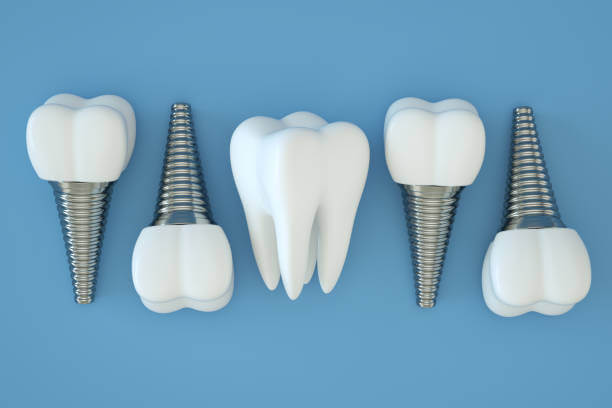
Dental implants in Beverly Hills replace both the visible tooth and its root, which is what allows them to function and look like a natural tooth rather than sitting on top of the gum. That structural difference is why implants remain the preferred long-term option for replacing missing teeth.
Key Takeaways
- Implants replace the tooth root itself, which is what preserves jawbone density in a way other options can't.
- The functional bite strength of an implant closely matches that of a natural tooth, unlike removable options.
- A crown placed on an implant can be matched precisely to surrounding teeth for a seamless cosmetic result.
- The full process spans several months, but each stage serves a specific structural purpose.
- With proper care, dental implants can last decades, often serving as a one-time investment rather than a recurring one.
Missing a tooth and trying to figure out whether it's actually worth going the implant route instead of something simpler? For a lot of people, once they understand what implants are actually doing structurally, not just cosmetically, the decision becomes a lot clearer. Dental implants in Beverly Hills are built to function like a real tooth, root included, which is a meaningfully different outcome than options that just fill the visible gap. Here's what makes that difference matter.
Why Do Implants Preserve the Jawbone in a Way Other Options Don't?
When a tooth is lost, the jawbone underneath starts to lose density without a root there to stimulate it. This process, called resorption, begins within months and continues over time, which is part of why a long-missing tooth can eventually change the shape of the jaw or affect nearby teeth. Bridges and dentures sit on top of the gum or rely on neighboring teeth, neither of which addresses this underlying bone loss.
An implant is different because the titanium post is placed directly into the jawbone, functioning similarly to a natural root. The bone actually fuses to the implant over a period of months, and that fusion is what keeps the bone stimulated and stable going forward. Dental implants in Beverly Hills work specifically because they solve this structural problem, not just the visible gap.

How Does an Implant Compare to a Natural Tooth in Everyday Function?
This is one of the more underappreciated benefits. Because an implant is anchored directly into bone, it can handle biting and chewing forces close to what a natural tooth manages, which isn't really true for removable options like a partial denture. Foods that might be avoided with a denture, harder textures, corn on the cob, tougher cuts of meat, are generally not an issue with a properly placed implant.
This functional stability also means there's no slipping or shifting during eating or speaking, something dentures can struggle with even when properly fitted. For anyone who's dealt with the inconvenience of a removable appliance, this difference in daily function is often one of the most immediately noticeable benefits of switching to an implant.
How Closely Can the Crown Match Your Natural Teeth?
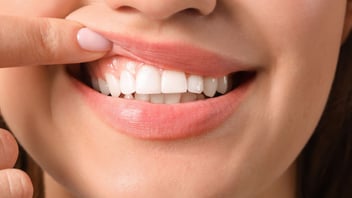
The visible part of an implant, the crown, is custom-made to match the shade, shape, and translucency of surrounding teeth. Digital shade-matching tools and detailed impressions allow a dentist to create a crown that blends in rather than standing out, which matters a lot for implants placed in visible areas near the front of the smile.
This level of customization is part of why dental implants in Beverly Hills are often the preferred option for people specifically concerned about aesthetics, not just function. A well-matched implant crown is genuinely difficult to distinguish from a natural tooth once everything's healed and in place.
What Does the Multi-Month Implant Process Actually Involve?
The process starts with surgical placement of the implant post into the jawbone, followed by a healing period, usually a few months, during which the bone fuses to the implant. Once that fusion, called osseointegration, is complete, an abutment connects the post to the crown, and the custom crown is placed as the final step.
Altogether, the process typically spans three to six months, sometimes longer if a bone graft is needed first to build up insufficient bone density. It's a longer timeline than people often expect walking in, but every stage exists for a specific structural reason, mainly making sure the implant has a stable, properly integrated foundation before the visible crown goes on top.
Why Do Implants Tend to Be a One-Time Investment Rather Than a Recurring One?
With proper care, brushing, flossing, and regular checkups, dental implants can last several decades, and many patients keep the same implant for the rest of their life. This is a meaningful difference compared to bridges, which typically need replacement every 10 to 15 years, or dentures, which often require adjustment or replacement as the jawbone and gums change shape over time.
That long-term durability is a big part of the value calculation for dental implants in Beverly Hills. While the upfront cost is generally higher than a bridge or denture, the reduced likelihood of replacement or ongoing adjustment tends to make implants a more cost-effective option over a longer time horizon for a lot of patients.
Conclusion
Dental implants solve tooth loss at a structural level that bridges and dentures simply weren't designed to address, preserving jawbone density, restoring near-natural biting function, and offering a crown that can be matched precisely to the rest of your smile. It's a longer process with a real upfront investment, but for a lot of patients, that trade-off is exactly what makes dental implants in Beverly Hills worth serious consideration over other tooth replacement options.
FAQs
Are dental implants noticeably different from natural teeth when eating or talking?
Once fully healed, most patients report implants feel and function very similarly to natural teeth, without the shifting or discomfort sometimes associated with removable options.
How painful is the implant placement surgery?
The surgery itself is performed under anesthesia, so it shouldn't be painful during the procedure. Some soreness and swelling afterward is normal and manageable with standard care.
Can everyone get dental implants, or are there disqualifying factors?
Most healthy adults are candidates, though insufficient bone density, uncontrolled diabetes, or heavy smoking can complicate healing and may need to be addressed first.
How much does the crown on an implant cost compared to other restoration options?
Implant crowns are generally more expensive upfront than a bridge or denture, though their durability often makes them more cost-effective over the long run.
What happens if a bone graft is needed before implant placement?
A bone graft adds time to the process, often several months for the graft to integrate fully before implant surgery can proceed, but it's a well-established step when needed.
.jpg?width=352&name=image(1412).jpg)
.jpg?width=352&name=image(1).jpg)