.png?width=80&height=80&name=Clove%20Dental%20White%20Small%20(28).png "Clove Dental White Small (28)")
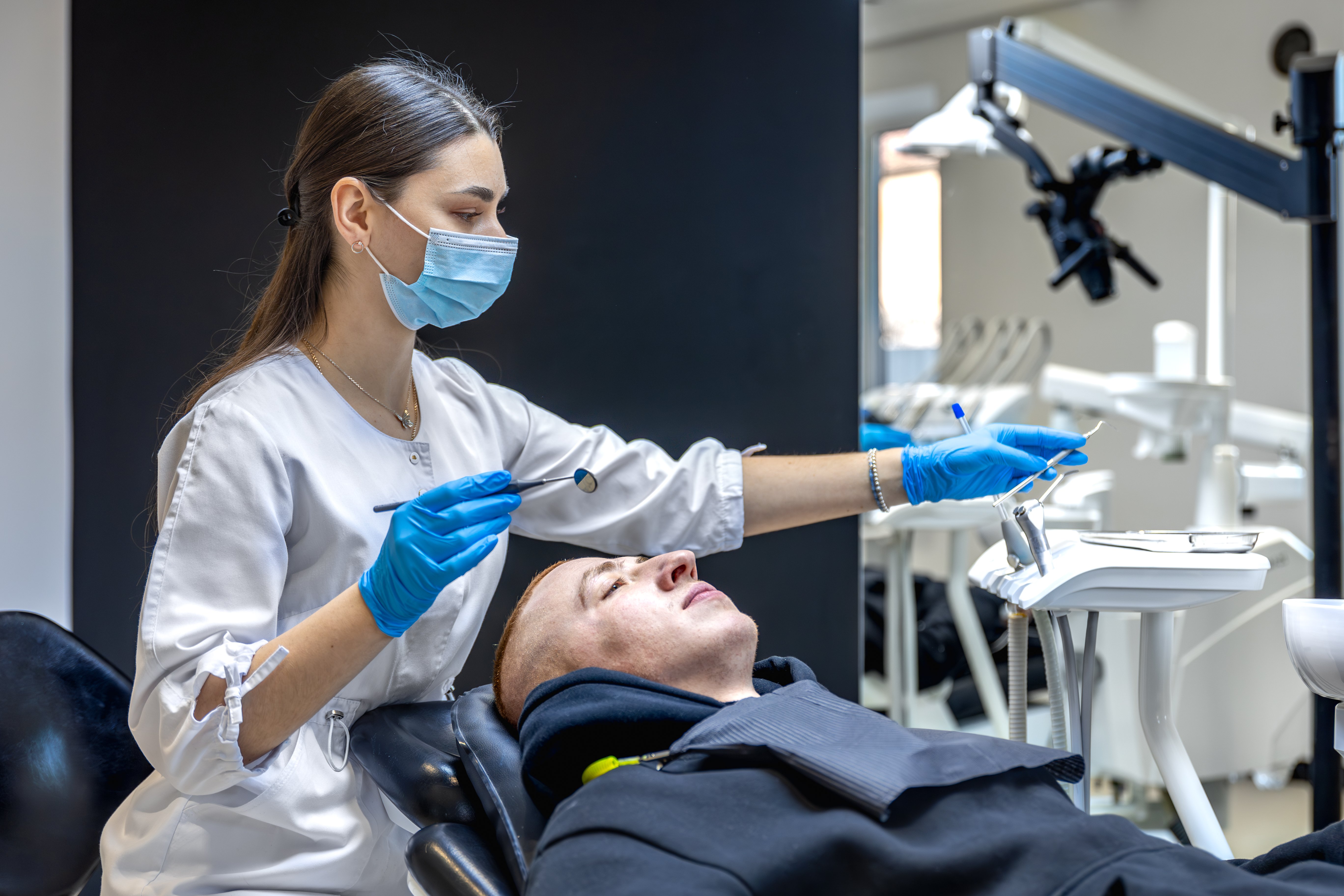
You should see an endodontist in Camarillo if you have severe tooth pain, lingering sensitivity to hot or cold, swelling near a tooth or an infection affecting the tooth's pulp. To help patients maintain a smile, endodontists are focused on saving the natural tooth through root canal therapy and retreatment, as well as care for dental injury cases.
Key Takeaways
- Endodontists specialize in diagnosing and treating problems inside the tooth.
- While not all toothaches require a root canal, it's important not to ignore any symptoms if the pain persists.
- Today's endodontics is primarily about saving natural teeth.
- If the tooth is too compromised to be restored, then extraction may be the better choice.
- Patients at Clove Dental are empowered to make informed choices about their treatment with the use of cutting-edge imaging and customised treatment planning.
Has your dentist ever told you that you may need to see an endodontist instead of scheduling a regular filling?
Many people hear the word endodontist for the first time when a tooth becomes painful or infected. It can sound intimidating, especially if you immediately think of a root canal. In reality, endodontics is simply the branch of dentistry that focuses on the inside of the tooth, where the dental pulp, nerves and blood vessels are located.
The goal is straightforward: save your natural tooth whenever it can be saved. An endodontist in Camarillo has additional training to diagnose complex tooth pain, treat infections deep inside the tooth and manage dental injuries that general treatments alone may not resolve. Understanding what an endodontist does can make treatment decisions much less stressful and help you seek care before a small problem becomes a larger one.
Why Would Your Dentist Refer You to an Endodontist Instead of Treating the Tooth?
General dentists perform numerous routine dental treatments such as fillings, crowns and preventive care. If a problem does intrude into the pulp of the tooth, however, more expertise might be required.
Your dentist may recommend seeing an endodontist in Camarillo if-
- A tooth has deep decay close to the nerve.
- Previous root canal treatment has failed.
- The tooth has been cracked after an injury.
- Pain continues even though X-rays show very little damage.
- An infection has spread into the root canals.
Endodontists receive advanced training focused specifically on diagnosing and treating these complex situations.
What Symptoms Mean the Tooth Can Still Be Saved?
Pain doesn't always mean a tooth needs to be removed. If it's only pulp inflammation or infection, it's basically as simple as that.
Some common signs include-
- Sharp pain while chewing.
- Sensitivity to hot or cold that lingers.
- Swelling around the gums.
- A small pimple-like bump near the tooth.
- Tooth discoloration after an injury.
Early evaluation/aggressive treatment improves the ability to save the tooth. The infection may develop into the surrounding bone if long-term treatment is not received.
Is a Root Canal the Only Type of Endodontic Treatment?
Root canal therapy is the treatment most people recognize but it is only one part of endodontics. Depending on the condition of your tooth, treatment may include-
- Root canal therapy for infected pulp.
- Root canal retreatment if a previous procedure no longer protects the tooth.
- Endodontic surgery, such as an apicoectomy, when infection remains around the tip of the root.
- Treatment for cracked or injured teeth after dental trauma.
These procedures are chosen based on the condition of the tooth, rather than the amount of pain that you are experiencing.
Can an Infected Tooth Always Be Saved, or Is Extraction Sometimes the Better Option?
It is always best to try to save the natural tooth in place as this will preserve normal chewing, jaw function and tooth alignment. In other cases, though, it might be a better long-term decision to extract.
Examples include-
- A tooth with severe structural damage below the gumline.
- Advanced fractures that extend into the root.
- Extensive bone loss that makes restoration impossible.
- Infection that cannot be eliminated despite treatment.
An experienced endodontist in Camarillo carefully evaluates both the tooth and surrounding tissues before recommending whether treatment or extraction offers the better long-term outcome.
What Should You Expect During Recovery After Endodontic Treatment?
Recovery is easier than many patients expect. It is common to notice mild tenderness while chewing for a few days because the tissues around the tooth are healing.
During recovery, we generally recommend-
- Taking medications exactly as directed.
- Avoiding chewing hard foods on the treated tooth until it has been permanently restored.
- Keeping the area clean with regular brushing and flossing.
- Returning for any recommended crown or permanent restoration.
Most people return to normal daily activities within a day while the tooth continues healing over the following weeks.
Why Patients Choose Clove Dental When Looking for an Endodontist in Camarillo
Choosing an endodontic provider is about more than treating an infection. Patients want clear explanations, honest recommendations and confidence that every effort is being made to preserve their natural teeth.
At Clove Dental, our team uses modern diagnostic technology, including digital imaging, to understand the condition of each tooth before recommending treatment. We explain every option, discuss insurance and costs before care begins, and coordinate treatment within our network whenever possible. With multiple convenient locations, free parking and nearly four decades of family-led care, we aim to make complex dental treatment feel less overwhelming from the very first visit.
Conclusion
When the inside of a tooth becomes infected or damaged, early treatment makes the biggest difference. Visiting an endodontist in Camarillo doesn't automatically mean you'll need a root canal. It means your tooth is being evaluated by a specialist whose primary goal is preserving your natural smile whenever possible.
Don't wait until you have a severe case of tooth pain before seeking treatment. If you have continued tooth pain or sensitivity or swelling, see your dentist. The staff at Clove Dental is ready to make you understand what options you have and which treatment will benefit your mouth the most.
FAQs
How do I know if I need an endodontist instead of a general dentist?
If you have severe tooth pain, long-lasting sensitivity, swelling or your dentist suspects damage to the tooth's pulp, you may be referred to an endodontist for specialized evaluation and treatment.
Is every root canal performed by an endodontist?
No. General dentists perform many root canals. However, complex cases, retreatments or difficult tooth anatomy are referred to an endodontist because of their advanced training.
Can a tooth infection heal without root canal treatment?
An infection inside the dental pulp does not heal on its own. While antibiotics may temporarily reduce swelling in some cases, they cannot eliminate infection inside the tooth without appropriate dental treatment.
How long does a treated tooth last after endodontic therapy?
Many teeth can be restored to be healthy and functional for many years with proper restoration, good oral hygiene and regular dental visits after therapy.
Does every painful tooth need to be extracted?
No. There are many teeth that can be successfully treated and saved that may be painful. Through a thorough examination, it is determined whether it is better to save the tooth or extract it.

.jpg?width=352&name=dentist-treats-childs-tooth-using-rubber-dam-closeup-tooth-treatment%20(1).jpg)