.png?width=80&height=80&name=Clove%20Dental%20White%20Small%20(28).png "Clove Dental White Small (28)")
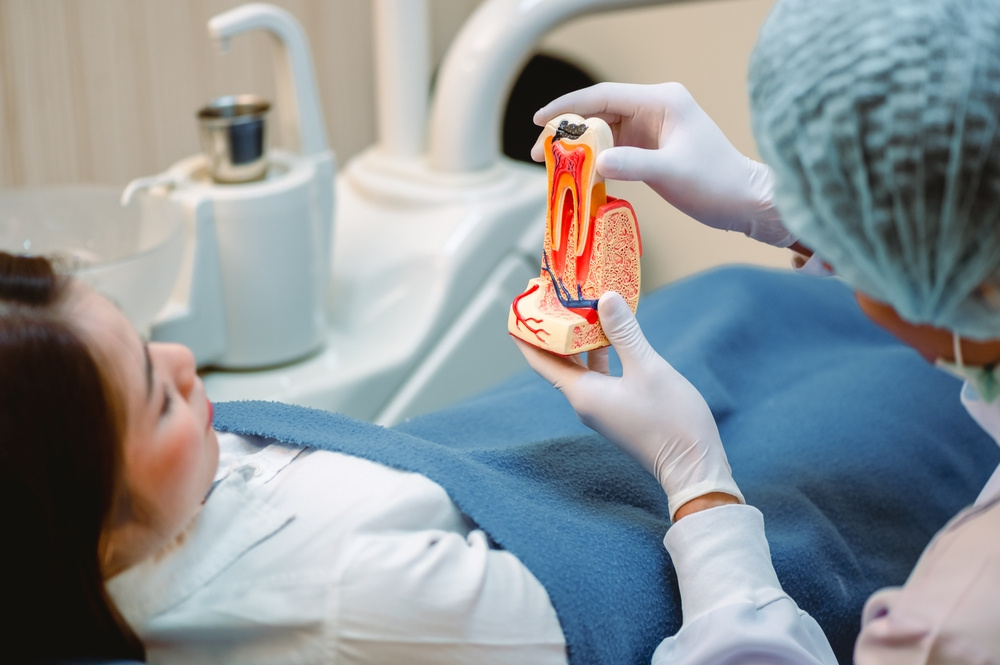
Root canal recovery can showcase mild soreness for a few days, careful eating around the treated tooth and keeping an eye on the temporary filling until a permanent crown is placed. A dentist in Oxnard can walk you through what is normal and what is not for your specific case.
Key Takeaways
- The first 24 hours after a root canal call for rest, soft foods and avoiding the treated side entirely.
- Chewing on the opposite side of your mouth protects the tooth while the temporary filling settles in.
- Mild soreness for a few days is normal but pain that worsens instead of improving is not.
- Temporary fillings and crowns need to be checked and replaced within the timeframe your dentist recommends.
- Certain symptoms, like swelling or a fever, mean it's time to call a dentist in Oxnard rather than wait it out.
Just had a root canal and not totally sure what you're supposed to do for the next few days? That's a fair question, and the answer matters more than people expect. Good aftercare in those first days genuinely affects how smoothly the tooth heals and how long the treatment ends up lasting. Here's a practical walkthrough of what to actually do, what's normal to feel, and when it's worth picking up the phone and calling a dentist in Oxnard instead of just waiting things out.
What Should You Do During the First 24 Hours After a Root Canal?
For the first day, the main goal is just letting things settle. The area is usually still numb for a couple of hours after the appointment, so avoid eating anything until feeling fully returns, to prevent accidentally biting your cheek or tongue without realizing it. Once the numbness wears off, stick to soft foods and skip anything on the treated side of your mouth.
Rest matters more than people expect too. Avoid strenuous exercise for the rest of the day, since increased blood flow can sometimes intensify soreness. Taking any prescribed or recommended over-the-counter pain medication before the local anesthesia fully wears off, rather than waiting until discomfort actually starts, tends to keep things a lot more manageable through the evening.

How Should You Eat When the Treated Tooth Feels Tender?
For the first few days, chewing on the opposite side of your mouth is the simplest way to avoid unnecessary stress on the treated tooth, especially since it's often protected by nothing more than a temporary filling at this stage. Soft foods, think scrambled eggs, soup, mashed potatoes, yogurt, are a lot easier on a tender tooth than anything crunchy or chewy.
Avoid very hot or very cold foods and drinks for the first day or two if the area feels sensitive to temperature. Hard foods, nuts, ice, hard candy, are worth skipping entirely until the permanent crown is placed, since biting down hard on a temporarily filled tooth is one of the more common ways people accidentally damage the temporary restoration before it's meant to come out.
Is Mild Pain After a Root Canal Normal, or Does It Mean Something Went Wrong?
Some soreness and tenderness for the first three to five days is completely normal and doesn't mean anything went wrong. The tissue around the tooth was just worked on, so mild inflammation and discomfort, especially when chewing or applying pressure, is an expected part of healing rather than a red flag.
What's not normal is pain that's getting progressively worse instead of gradually improving, or pain that's severe enough that over-the-counter medication barely touches it. A steady, mild ache that fades day by day is the expected pattern. A sharp increase in pain a few days in, especially paired with swelling, is worth a call rather than waiting to see if it passes.
When Should the Temporary Filling or Crown Be Checked?
A temporary filling or crown is meant to protect the tooth for a limited window, typically a couple of weeks, until the permanent crown is ready. It's not built for long-term chewing pressure, and leaving it in place too long increases the risk of it wearing down, cracking, or coming loose entirely, which can expose the treated tooth to bacteria.
If your temporary restoration feels like it's shifted, if you can feel a rough edge that wasn't there before, or if it's simply been longer than your dentist originally recommended, it's worth getting checked rather than assuming it'll be fine until your already-scheduled follow-up. Catching a loose or damaged temporary early is a lot easier to fix than dealing with a compromised tooth later.
Which Signs Mean You Should Call Your Dentist in Oxnard Instead of Waiting?
A few specific symptoms are worth acting on rather than monitoring. Swelling in the face or gums near the treated tooth, a fever, or pain that's significantly worse than what you felt in the first couple of days all suggest something beyond normal healing might be going on. An allergic reaction to prescribed medication, itching, rash, or difficulty breathing, needs immediate attention as well.
A dentist in Oxnard would generally want to hear from you if the temporary filling falls out completely, if you notice a bad taste or odor coming specifically from the treated tooth, or if biting down causes a sharp, sudden pain rather than a dull ache. These aren't necessarily emergencies, but they're not things to just wait out on their own either.
Conclusion
Root canal recovery is usually pretty straightforward: some mild soreness for a few days, careful eating on the opposite side of your mouth, and keeping an eye on the temporary filling until the permanent crown goes in. Most of what you'll feel falls well within normal healing. But knowing which signs actually warrant a call, swelling, fever, worsening pain, means you won't second-guess yourself if something does come up. If anything feels off, a quick call to your dentist in Oxnard is always better than waiting and hoping it resolves on its own.
FAQs
How long does soreness last after a root canal?
Most people notice mild soreness for three to five days, improving each day rather than staying constant or worsening.
Is it normal for the tooth to feel slightly different when I bite down?
Mild sensitivity to biting pressure for the first week or so is common, though it should be improving rather than getting sharper or more painful over time.
How soon after a root canal do I need the permanent crown placed?
This varies but it's within a few weeks. Waiting too long increases the risk of the temporary filling failing or the tooth becoming vulnerable to new decay.
Should I go to the ER if I have swelling after a root canal?
For significant facial swelling or difficulty breathing or swallowing, yes, seek emergency care. For localized gum swelling without those symptoms, contacting your dentist in Oxnard first is usually the right next step.